-
 +86-13819988181
-
 sales@bodehardware.com

 English
 English
 中文简体
中文简体 Español
Are Modular Slatwall Accessories Compatible With All Panels
2026-03-20
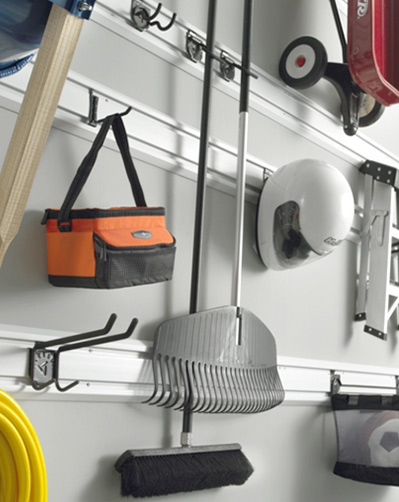
Storage walls have become a common feature in garages, workshops, and maintenance areas. Users exploring wall storage systems frequently ask an important question before purchasing accessories: will the components actually fit their panels? Compatibility is one of the more discussed topics across forums, hardware discussions, and product guides. Both Modular Slatwall Accessories and a well-designed Slatwall Tool Organizer depend heavily on panel standards and groove spacing to function correctly.
Wall storage systems may appear similar at primary glance, but the spacing and profile of the grooves determine whether accessories will lock into place properly.
Why Compatibility Matters in Slatwall Systems
Slatwall panels contain horizontal grooves designed to hold accessories such as hooks, baskets, and shelves. These grooves serve as the main connection point between the panel and the storage hardware.
Problems often occur when users mix incompatible components. Even a small difference in slot spacing can cause accessories to tilt or fail to lock securely.
Industry guides indicate that more slatwall systems follow one of two spacing standards:
3.25-inch center spacing, common in North American systems
80 mm spacing, more common in European panel designs
Small variations between these measurements can cause installation problems or uneven load distribution.
Users on DIY forums often report similar experiences, where certain hooks or baskets do not fit securely because the panels use a proprietary slot design.
Standard Slatwall Systems vs Proprietary Panels
Not all slatwall panels follow universal compatibility rules. Some systems are designed with proprietary grooves that only work with accessories from the same system.
Two general categories exist:
Universal Slatwall Systems
These typically follow the industry standard spacing, allowing accessories from different manufacturers to fit the same panel system.
Proprietary Slatwall Systems
Some panel systems use unique groove shapes or spacing. These systems require accessories specifically designed for that panel.
Hardware specifications show that many accessories are built around 3-inch on-center slot spacing, which allows them to fit a wide range of universal slatwall systems.
However, several proprietary systems only accept their own hooks or brackets, meaning cross-compatibility may be limited.
Groove Design and Panel Structure
Compatibility depends not only on spacing but also on groove design. Slatwall panels may use different structural profiles.
Common groove types include:
U-Groove Design
Often used in MDF panels. Accessories rely on friction and spring tension to stay in place.
T-Slot Design
Used in reinforced systems. Accessories mechanically lock into the panel groove, helping prevent movement under load.
These structural differences influence how securely accessories hold tools or equipment. Panels with reinforced slots can distribute weight more evenly across multiple attachment points.
Typical Accessories Used With Slatwall Panels
A wide variety of accessories can attach to slatwall systems. The flexibility of Modular Slatwall Accessories is one reason these storage systems remain popular.
Common accessory types include:
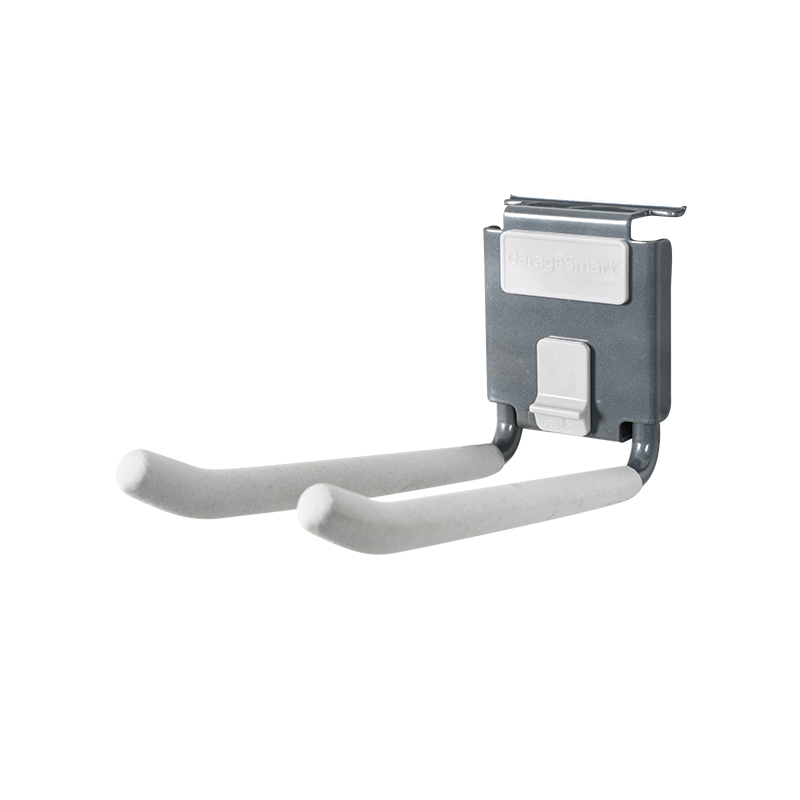
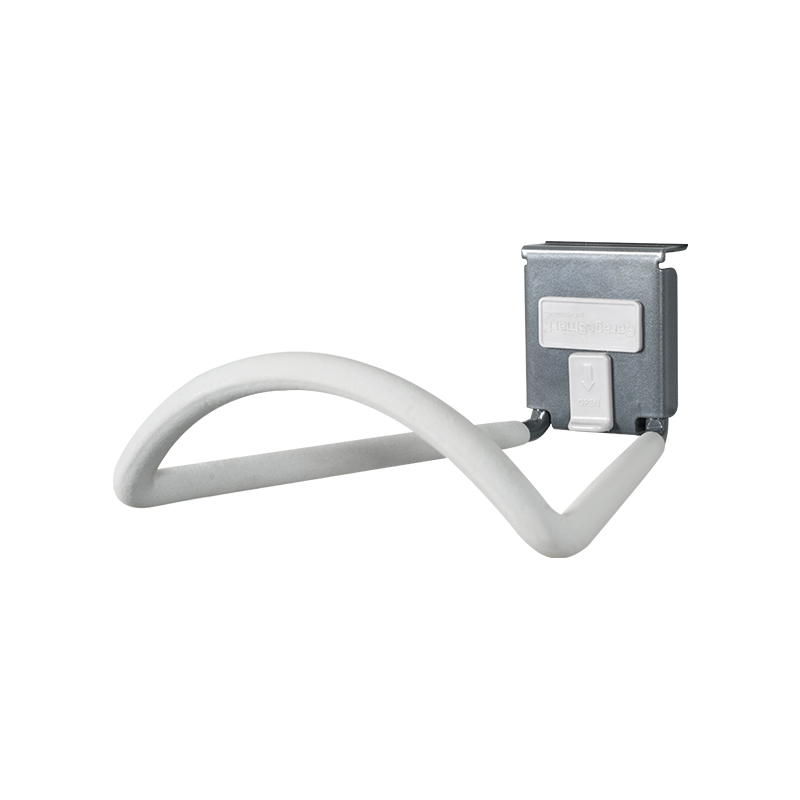
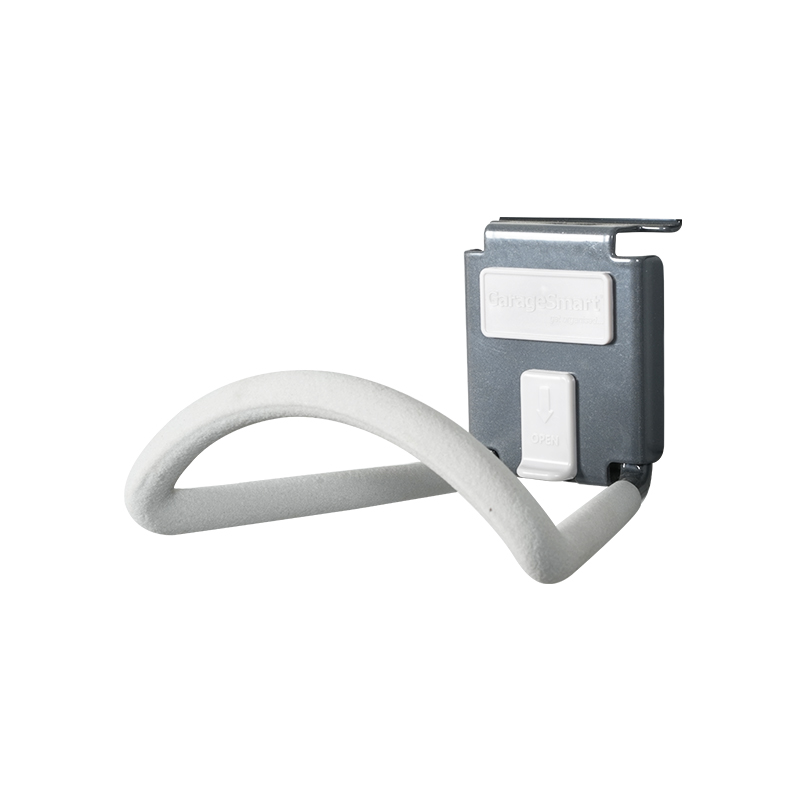
Single and double tool hooks
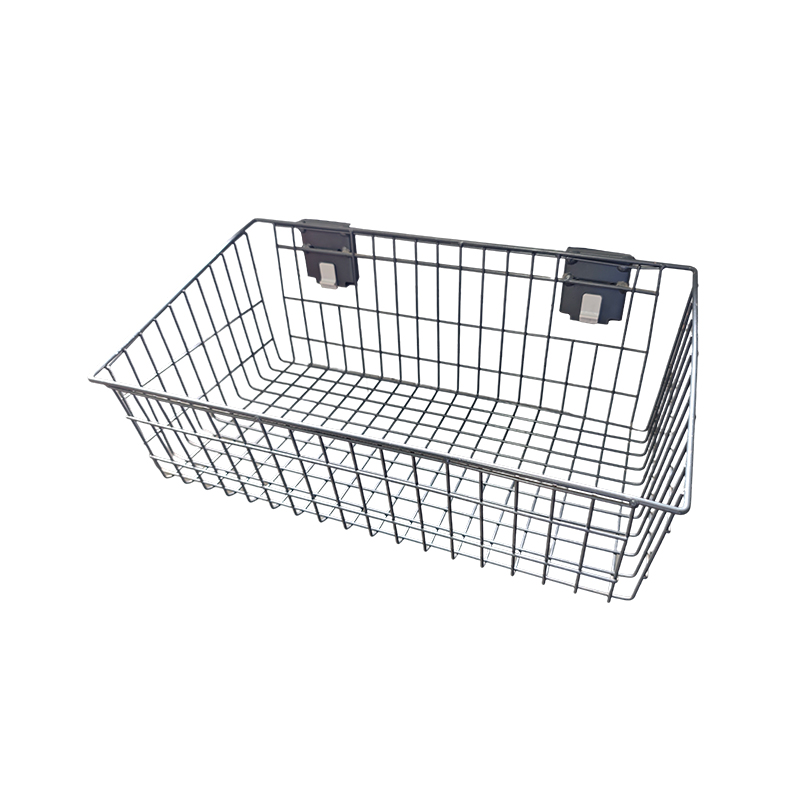
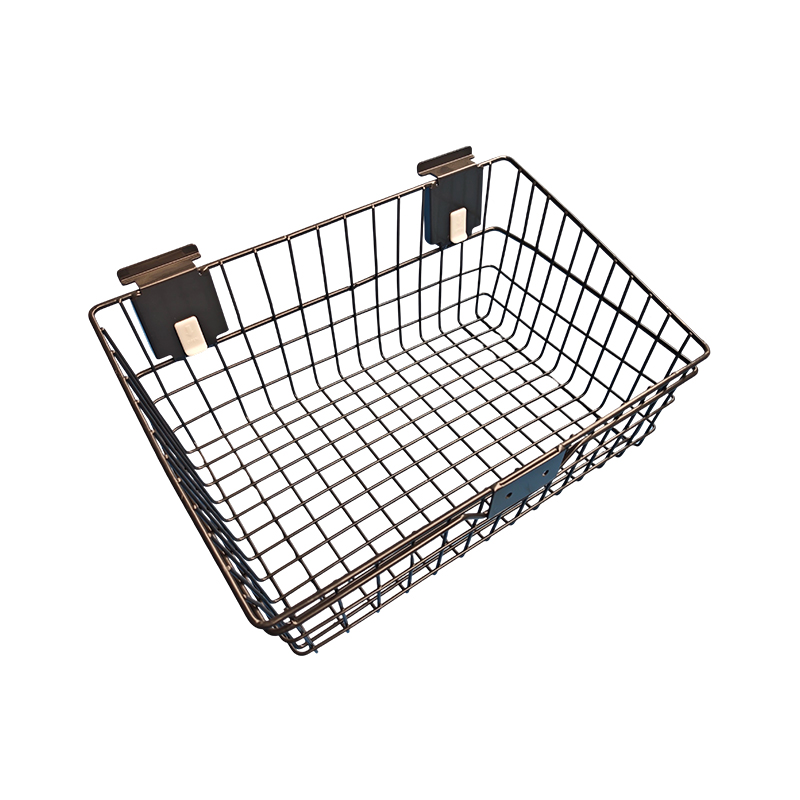
Wire baskets for supplies
Adjustable shelving brackets
Storage bins for small parts
Hose holders and extension cord racks
These accessories slide directly into the panel grooves and can be repositioned quickly as storage needs change.
A Slatwall Tool Organizer often combines several accessory types into a structured layout that separates hand tools, power tools, and hardware components.
Weight Capacity and Accessory Strength
Compatibility also influences how much weight the system can support. Properly fitted accessories distribute weight evenly across the panel.
Some heavy-duty hooks designed for slatwall systems can hold up to 100 pounds, while larger reinforced hooks may support around 200 pounds, depending on the panel installation and hardware design.
Load capacity depends on several factors:
Panel material and thickness
Accessory design
Mounting method
Distance between support points
Properly matched accessories reduce the risk of accessories slipping or panels becoming damaged over time.
Tips for Choosing Compatible Accessories
Users planning a slatwall system can avoid compatibility issues by following a few basic guidelines:
Check slot spacing
Confirm whether the panel uses the standard spacing pattern.
Understand groove shape
Different groove designs may require specific hook styles.
Verify load ratings
Accessories should support the intended weight of tools.
Select modular accessories
Modular designs allow layouts to change without replacing the entire wall system.
Companies such as Jinhua Bode Hardware Technology Co., Ltd. focus on producing hardware components compatible with modular storage solutions. Flexible accessory designs help workshops and garages create adaptable tool organization systems.
Building a Flexible Tool Storage System
Compatibility plays a major role in building a reliable wall storage system. Accessories that fit correctly not only improve safety but also make the system easier to expand over time.
A well-organized wall setup built with compatible Modular Slatwall Accessories and a structured Slatwall Tool Organizer allows users to manage tools efficiently while maintaining a clean workspace.
Understanding panel standards and accessory compatibility helps ensure the system works smoothly as storage needs continue to evolve.

Bode specializes in high-quality, multifunctional metal shelving solutions. We manufacture durable metal shelves designed to optimize warehouse organization. We are committed to providing our customers with affordable, reliable products while supporting a cleaner and more sustainable environment.
Ready to work with us?

-
Tel
+86-13819988181
-
E-mail
sales@bodehardware.com
Product Links
Quick Links
Contact Us
Copyright © Jinhua Bode Hardware Technology Co., Ltd. All Rights Reserved.

China Garage Storage Racks