-
 +86-13819988181
-
 sales@bodehardware.com

 English
 English
 中文简体
中文简体 Español
How Can the Right Hook Layout Improve Everyday Storage Organization?
2026-10-16
Jinhua Bode Hardware Technology Co., Ltd.
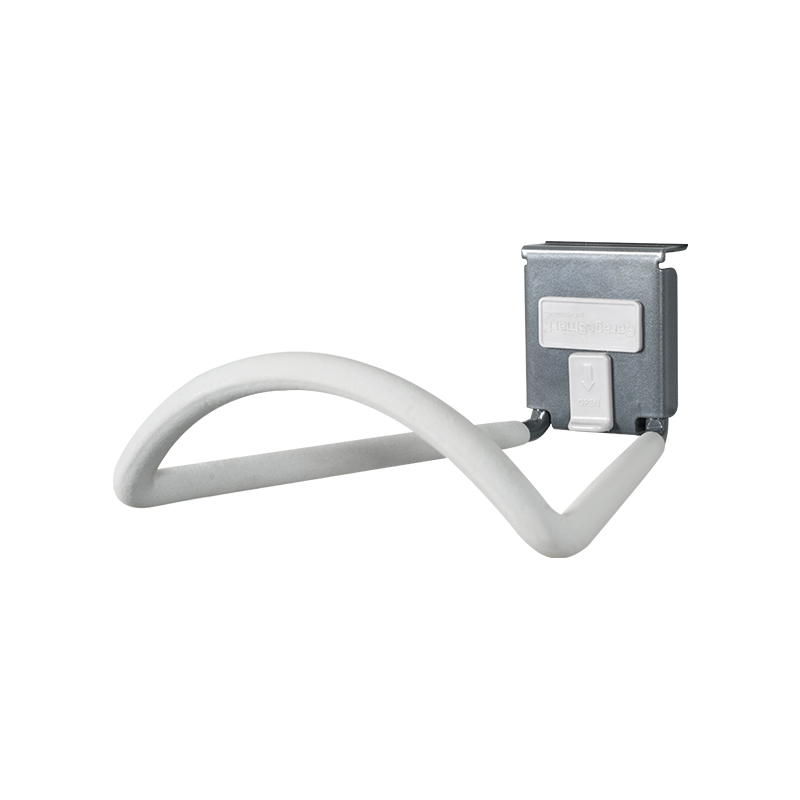
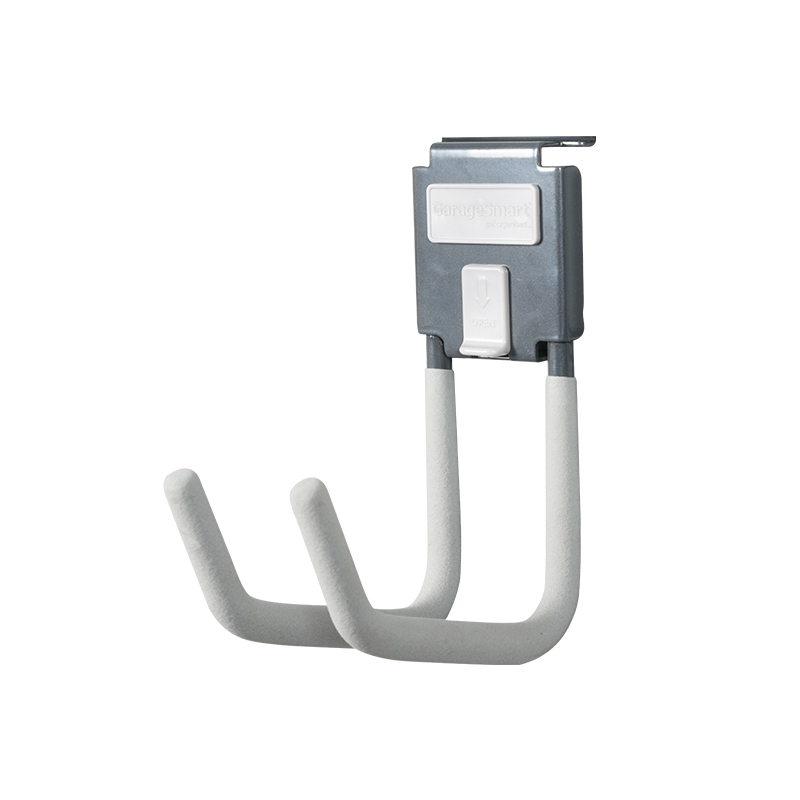
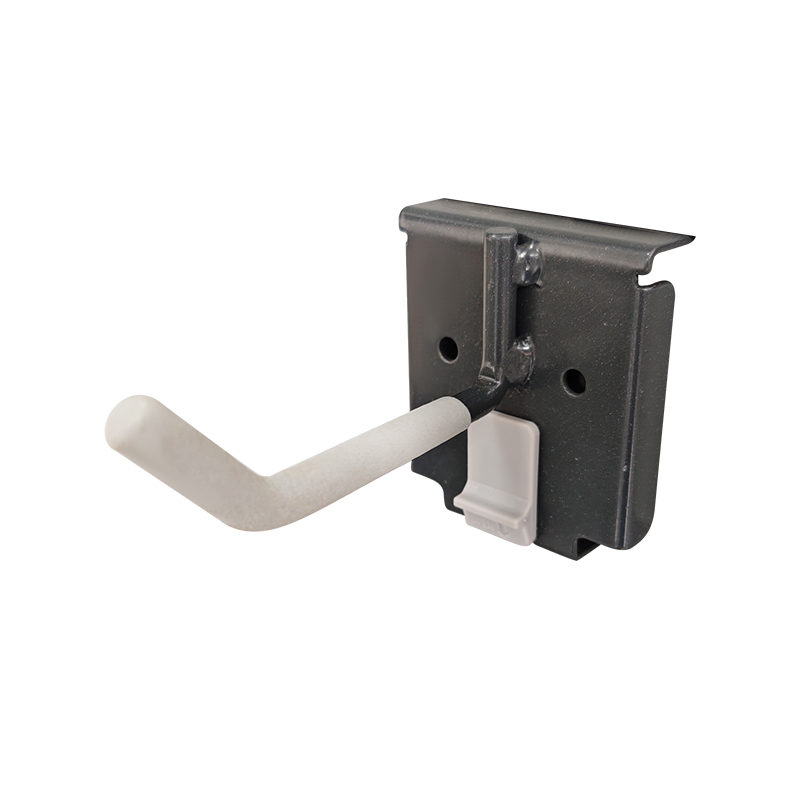
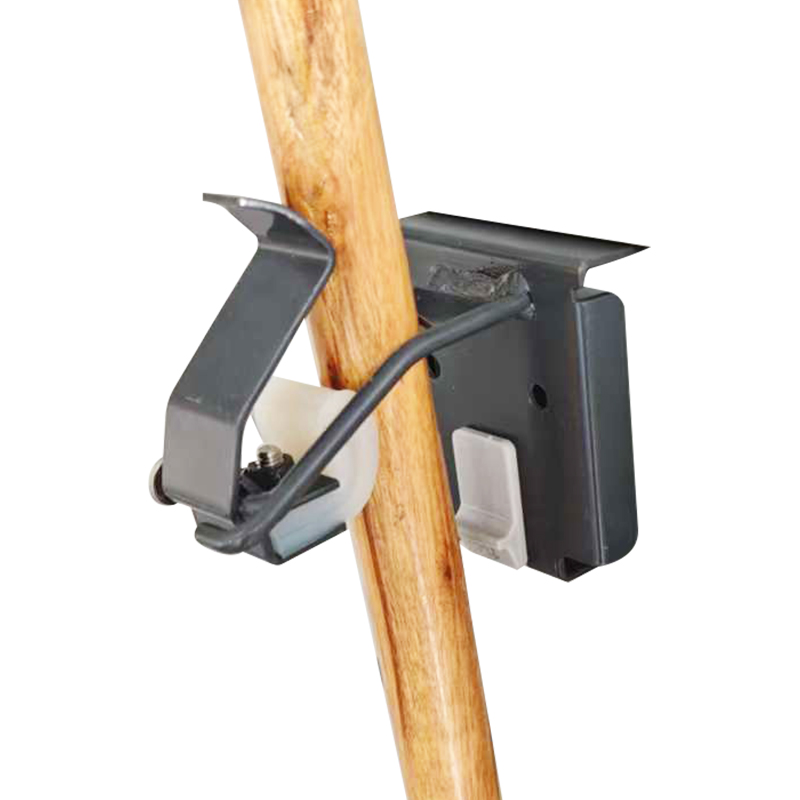
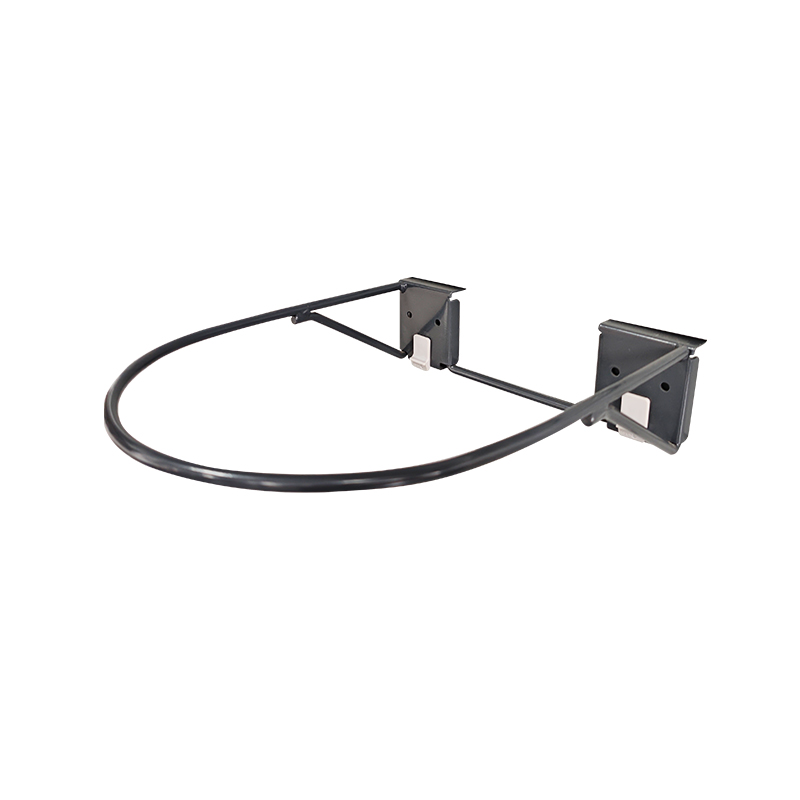
An Organization Hook is often evaluated as an individual component, but its real value becomes clearer when several hooks are arranged into a working storage system. For retailers, workshops, warehouses, facility managers, and storage-product distributors, choosing the wrong hook length or spacing can make items difficult to access or leave valuable panel space unused. From a manufacturing perspective, the goal is not simply to produce a hook that can hold an item, but to help buyers create a layout that matches the dimensions, access habits, and organization needs of the products being stored.
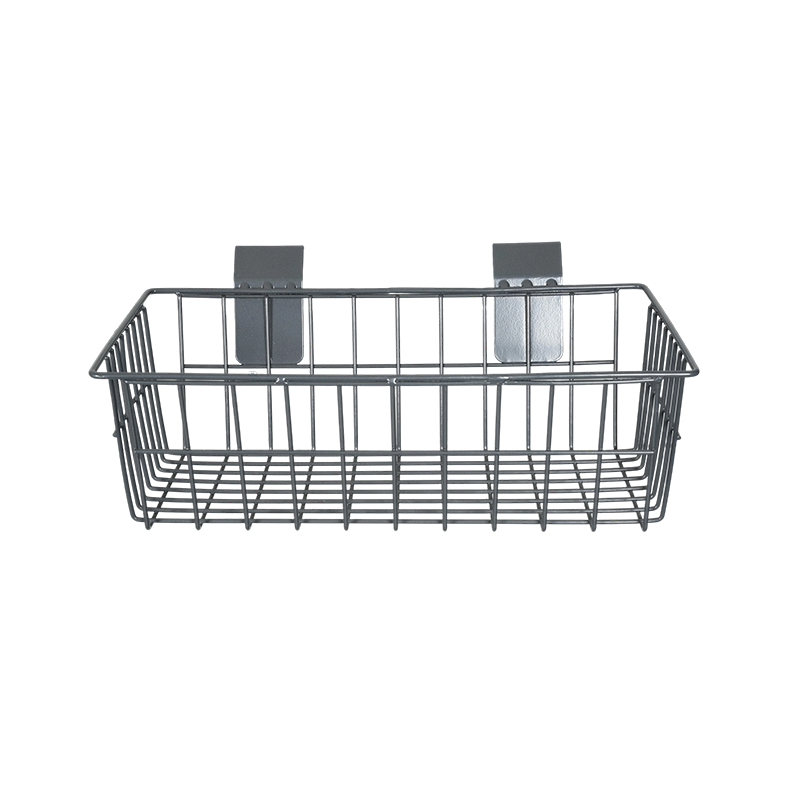
Measure the Items Before Choosing Hook Length
Hook length should be connected to the size and shape of the item being stored. A hook that is too short may not provide sufficient support, while excessive length can extend unnecessarily into the working area.
Before confirming the product specification, buyers can record:
- Overall item dimensions
- Hanging-point position
- Handle or opening size
- Approximate weight
- Required clearance from the panel
- Whether the item needs to be removed from the front or side
These measurements give manufacturers useful information for evaluating the appropriate hook configuration.
Leave Enough Space Between Products
Even when the hook itself is suitable, insufficient spacing can make a storage system difficult to use. Neighboring products may overlap, handles can interfere with one another, and users may struggle to remove frequently accessed items.
Spacing should therefore be considered together with the dimensions of the stored products. A compact layout may work for small lightweight items, while larger products usually require more room for access and identification.
For manufacturers developing customized storage hooks, understanding the complete layout can be more useful than designing each hook independently.
Match Hook Position to User Movement
The position of a hook can influence how naturally an item can be removed and returned. Frequently used products should generally be placed where users can reach them without unnecessary movement or obstruction.
In a workshop or maintenance area, for example, the storage layout may need to accommodate gloves, tools, accessories, or other frequently handled items. In a retail display, visibility and product presentation may become more important.
The hook design should therefore support the intended user action rather than simply provide a hanging point.
Consider Different Hook Configurations
A storage system does not always need one identical hook throughout the entire panel. Different products may require different lengths, shapes, or mounting arrangements.
A manufacturer can develop related configurations for:
- Small accessories
- Handheld products
- Items with long handles
- Packaged retail products
- Workshop equipment
- Larger maintenance items
Using compatible hook designs can create a more organized system while allowing buyers to adapt the layout to different product categories.
Think About Panel Space and Expansion
Buyers should also consider whether the storage system may need to change later. A layout that uses every available position from the beginning may leave little room for additional products.
Modular arrangements can provide more flexibility when product categories change. Buyers may therefore want to evaluate the relationship between hook dimensions, panel size, mounting positions, and potential future expansion.
For distributors, this can also make it easier to develop several storage configurations from a related range of components.
Make Identification Part of the Layout
Good organization is not only about physical placement. Users also need to understand where each item belongs. Clear product positions, labels, or visual identification can make a storage area easier to maintain.
When hooks are supplied for commercial storage systems, manufacturers can discuss marking and packaging requirements with the buyer. Consistent model identification is particularly useful when different hook lengths or configurations look similar.
This can help warehouse teams and distributors distinguish products during receiving, stocking, and replenishment.
Develop the Specification From the Finished Layout
From a manufacturer's perspective, the useful customization requests describe the complete application rather than only asking for a particular hook shape. Buyers can provide panel dimensions, stored-item measurements, expected layout, mounting method, and access requirements.
An Organization Hook developed from this information can be evaluated as part of the finished storage system. Whether the application is a workshop wall, warehouse organization panel, retail display, or commercial storage fixture, the combination of hook length, spacing, mounting structure, and product dimensions determines how practical the final arrangement will be. A well-planned specification gives buyers a clearer basis for ordering and gives manufacturers a more reliable reference for production.

Bode specializes in high-quality, multifunctional metal shelving solutions. We manufacture durable metal shelves designed to optimize warehouse organization. We are committed to providing our customers with affordable, reliable products while supporting a cleaner and more sustainable environment.
Ready to work with us?

-
Tel
+86-13819988181
-
E-mail
sales@bodehardware.com
Product Links
Quick Links
Contact Us
Copyright © Jinhua Bode Hardware Technology Co., Ltd. All Rights Reserved.

China Garage Storage Racks