-
 +86-13819988181
-
 sales@bodehardware.com

 English
 English
 中文简体
中文简体 Español
Wall Garage Storage: User Tips for Weight Distribution
2026-01-29
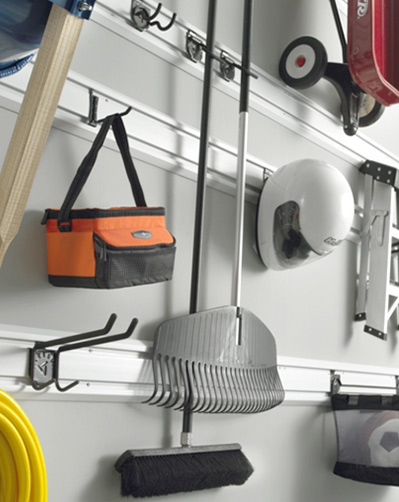
A well‑organized garage doesn’t just look neat — it enhances efficiency and safety. When planning your Wall Garage Storage, one of the top concerns among DIYers and homeowners is how to balance weight across storage systems and maintain them effectively over time. Pairing a strong system with reliable Heavy Duty Garage Storage Hooks is essential, but there’s more to long‑term success than simply hanging things on a wall. From spacing to load distribution and maintenance checks, here’s what users and experts recommend for a durable and practical setup.
1. Why Weight Distribution Matters
When you install hooks or panels on your garage wall, you’re asking that hardware to bear not just static weight, but dynamic load as items are added, removed, or bumped. Improper weight distribution can cause:
Hooks shifting or loosening: This is commonly reported with slatwall hooks that aren’t fully secured or when too much load is placed in one section of the panel. Users on garage forums often complain about hook movement under load.
Panel or wall stress: Concentrating heavy items in a small area can cause local stress on wall panels, causing panel deformation or loosening screws over time.
A balanced layout spreads weight more evenly across multiple anchor points and cables, reducing the risk of hardware failure and prolonging the life of your whole garage organization system.
2. Strategic Hook Placement for Stability
To make more of your Heavy Duty Garage Storage Hooks, consider how items are grouped and hung:
Heavy items lower and closer to studs: Mount bulky gear near wall studs or on reinforced backing. This ensures that load is supported by the structure of the wall, not just by panel surfaces or drywall.
Spread heavy gear across multiple hooks: For items like ladders, extension cords, or power tools, use more than one hook to share the load and reduce strain on individual points.
Plan for clearance: Leave enough space between hooks so that large items don’t overlap or press against each other, reducing the chance of friction‑induced wear on stored tools.
This kind of thoughtful placement doesn’t just improve stability — it also makes frequent items easier to access and qualitative improvements more intuitive in a busy workspace.
3. Choose the Right Hook and System Combinations
Not all hooks are created equal, and choosing compatible hardware with your wall system matters as much as placement.
Hook design impacts performance: Hooks with angled tips or double arms resist slippage more effectively than simple straight hooks, especially for tools with narrow handles.
Match hooks to wall type: Some hooks are designed for grid systems, while others work with solid panel systems. Using incompatible hook types on an unsupported wall can reduce load capacity and risk damage.
At Jinhua Bode Hardware Technology Co., Ltd., we’ve found that pairing solid wall paneling with well‑fitted load‑bearing hooks yields the more resilient storage system. Careful hardware selection and system compatibility play big roles in long‑term performance.
4. Maintenance Practices for Long‑Term Performance
Even the more robust Wall Garage Storage setup requires periodic attention. Here are key maintenance habits that help keep systems reliable over time:
Regular inspections: Look for loosened screws, panel gaps, or hooks that have shifted from their original positions. These signs often precede more serious issues.
Replace bent or weakened hooks: A hook that appears slightly warped may fail under heavy load sooner than expected. Swapping damaged hooks promptly helps avoid equipment damage or safety hazards.
Redistribute weight when required: As storage needs change — for example, swapping garden tools for holiday gear — reevaluate load distribution and adjust hook positions accordingly.
Routine maintenance not only protects your tools and equipment but can make your garage system feel fresh and responsive over years of use.
5. Real‑World User Strategies
Users in online forums often share creative solutions to common challenges:
Layering hook depths: Some hobbyists layer hooks at different depths to avoid crowding and to better support oddly shaped items without collision.
Using robust materials: Where pegboard systems fall short under uneven loads, switching to thicker materials or reinforcing panels with additional backing improves stability significantly.
These community‑inspired techniques highlight practical ways real users adapt wall systems to their changing storage demands.
If you’re planning to upgrade or customize your garage wall storage, thoughtful planning and strong hardware are the backbone of a system you’ll rely on daily. Let your walls do the heavy lifting — with the right approach, organization becomes effortless.

Bode specializes in high-quality, multifunctional metal shelving solutions. We manufacture durable metal shelves designed to optimize warehouse organization. We are committed to providing our customers with affordable, reliable products while supporting a cleaner and more sustainable environment.
Ready to work with us?

-
Tel
+86-13819988181
-
E-mail
sales@bodehardware.com
Product Links
Quick Links
Contact Us
Copyright © Jinhua Bode Hardware Technology Co., Ltd. All Rights Reserved.

China Garage Storage Racks