-
 +86-13819988181
-
 sales@bodehardware.com

 English
 English
 中文简体
中文简体 Español
What Is Driving the Shift Toward Smarter Industrial Space Optimization Systems?
2026-06-19
Jinhua Bode Hardware Technology Co., Ltd.
As global manufacturing, logistics, and energy infrastructure continue to expand, industrial facilities are under increasing pressure to improve space efficiency, safety management, and system organization. Modern factories and warehouses are no longer focused only on production capacity—they are also optimizing layout design to support automation, cable management, and long-term operational stability. In this context, Heavy Duty Overhead Rack systems are being widely searched by engineers and procurement teams who are looking for reliable overhead support structures that can handle complex industrial environments while improving workspace efficiency.
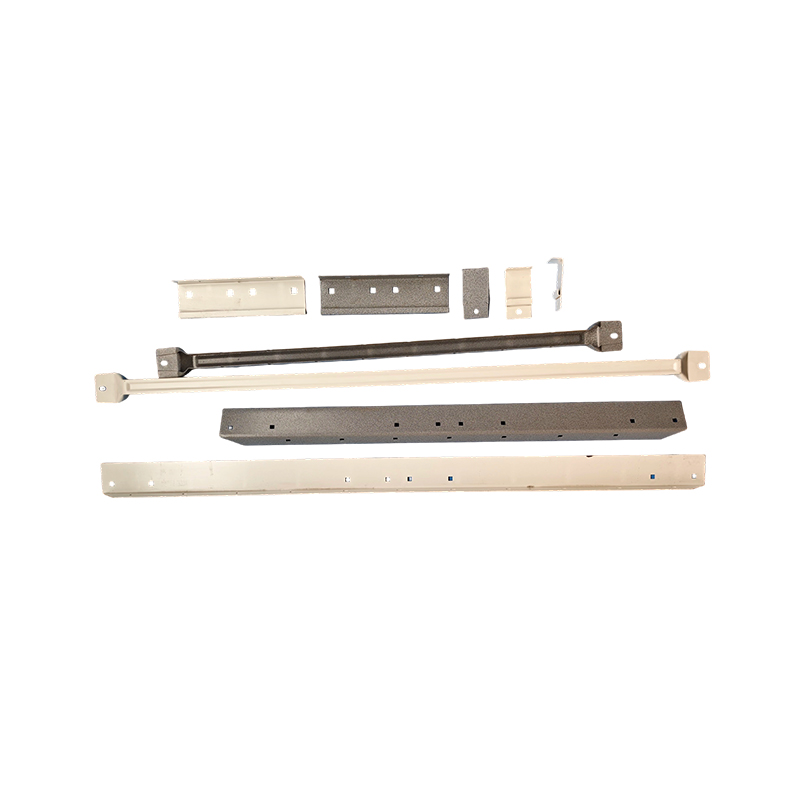
Recent industry search behavior shows rising attention to load-bearing performance, modular installation design, and integrated cable routing solutions for large-scale industrial facilities.
Why Is Space Optimization Becoming a Core Industrial Strategy?
Industrial real estate costs and production complexity are increasing globally, pushing companies to rethink how space is used inside facilities. Vertical space is now considered as valuable as ground-level workspace.
Key drivers include:
- Rising warehouse and factory operational costs
- Increased equipment density in modern facilities
- Expansion of automation and robotic systems
- Need for safer and more organized work environments
Space optimization is now a strategic operational priority.
How Is Load Engineering Improving Overhead System Safety?
Overhead infrastructure must support not only static loads but also dynamic stress caused by vibration, temperature changes, and long-term usage.
Engineering improvements include:
- Reinforced structural steel frameworks
- Optimized load distribution across support points
- Improved welding strength and joint integrity
- Enhanced resistance to long-term deformation
These improvements ensure safer and more stable overhead installations.
Why Is Integrated Cable Management Becoming Essential?
Modern industrial environments rely heavily on power distribution, data communication, and automated control systems, all of which require organized cable routing.
Key benefits of integration include:
- Reduced risk of cable damage and entanglement
- Improved maintenance access and system upgrades
- Better separation of power and signal lines
- Enhanced workplace safety and visibility
Integrated systems improve both performance and safety.
How Is Modular Design Transforming Industrial Installation?
Installation speed and flexibility are becoming increasingly important as industries scale and upgrade infrastructure more frequently.
Key modular advantages include:
- Faster assembly with standardized components
- Reduced installation labor requirements
- Flexible configuration for different layouts
- Easy expansion without full system redesign
Modular systems help companies adapt quickly to operational changes.
Why Is Material Durability Critical in Industrial Environments?
Industrial environments often expose infrastructure to humidity, dust, chemical exposure, and mechanical stress, making material selection essential.
Manufacturers are focusing on:
- Corrosion-resistant surface treatments
- High-strength steel construction
- Long-term structural stability under load
- Reduced maintenance requirements over time
Durable materials extend system lifespan and reduce operational costs.
Manufacturer Insight: What Are Global Buyers Prioritizing?
As a manufacturer of industrial storage and overhead support systems, we observe that buyers are increasingly focused on system integration rather than standalone components. The demand is shifting toward engineered solutions that combine structural strength, installation efficiency, and compatibility with automation systems.
Common OEM expectations include:
- Stable load performance under continuous industrial use
- Custom sizing for different facility layouts
- Compatibility with electrical and mechanical systems
- Scalable production capacity for global projects
This reflects the increasing sophistication of modern industrial infrastructure planning.
Are Overhead Infrastructure Systems Becoming a Foundation of Smart Industrial Design?
As industries continue to move toward automation and high-density production environments, efficient space utilization and structured infrastructure design are becoming essential. Overhead systems are no longer optional—they are a core part of industrial planning and operational efficiency.
In this evolving market, sourcing from a reliable Heavy Duty Cable Rack supplier helps ensure structural stability, improved space utilization, and long-term operational reliability in modern industrial facilities.

Bode specializes in high-quality, multifunctional metal shelving solutions. We manufacture durable metal shelves designed to optimize warehouse organization. We are committed to providing our customers with affordable, reliable products while supporting a cleaner and more sustainable environment.
Ready to work with us?

-
Tel
+86-13819988181
-
E-mail
sales@bodehardware.com
Product Links
Quick Links
Contact Us
Copyright © Jinhua Bode Hardware Technology Co., Ltd. All Rights Reserved.

China Garage Storage Racks