-
 +86-13819988181
-
 sales@bodehardware.com

 English
 English
 中文简体
中文简体 Español
Why Are Modern Workshops Switching to Wall-Based Storage Systems for Space Optimization?
2026-07-03
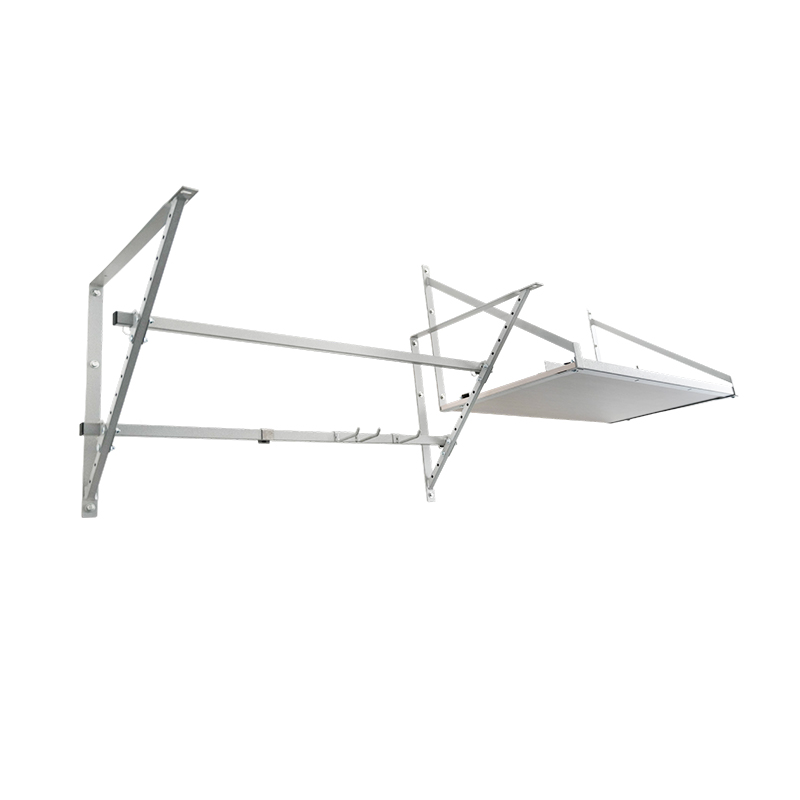
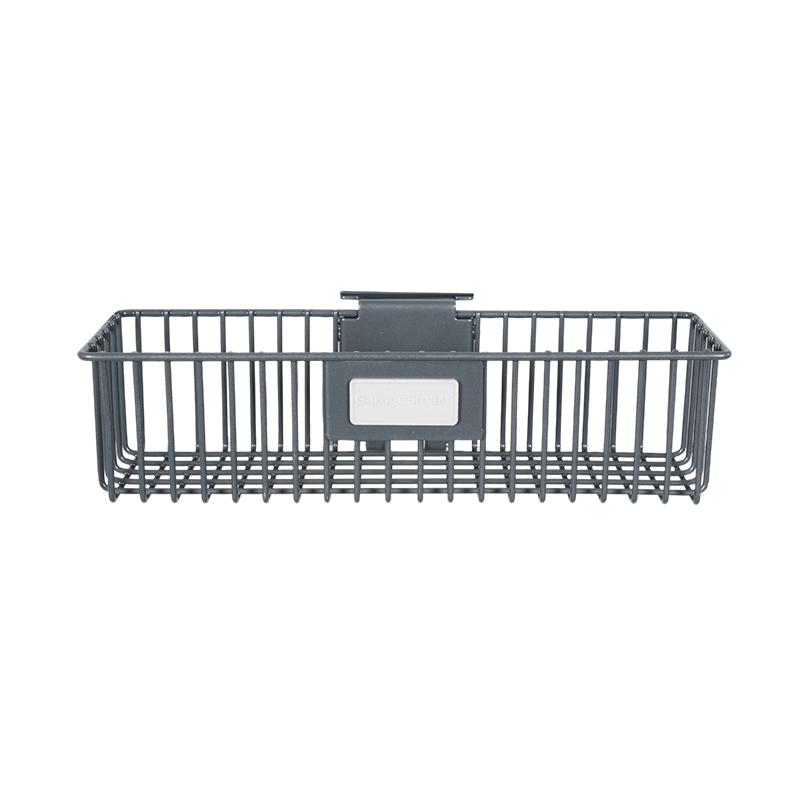
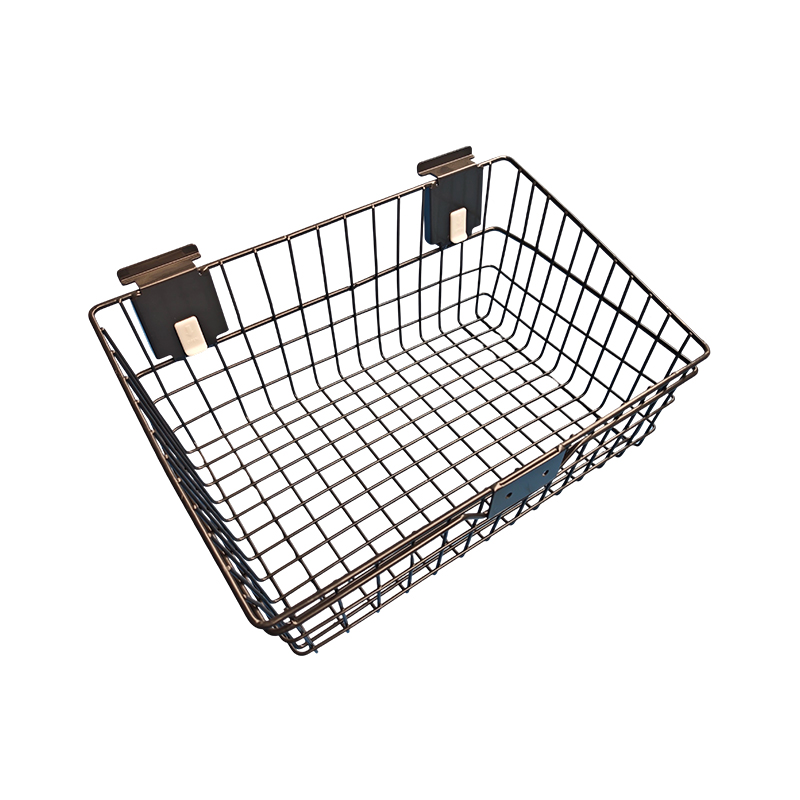
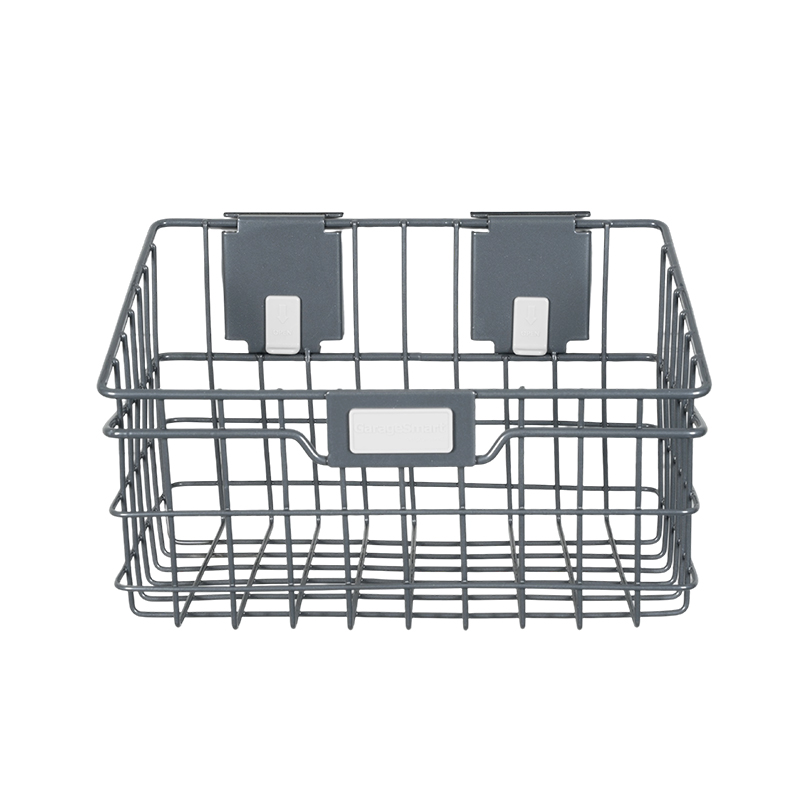
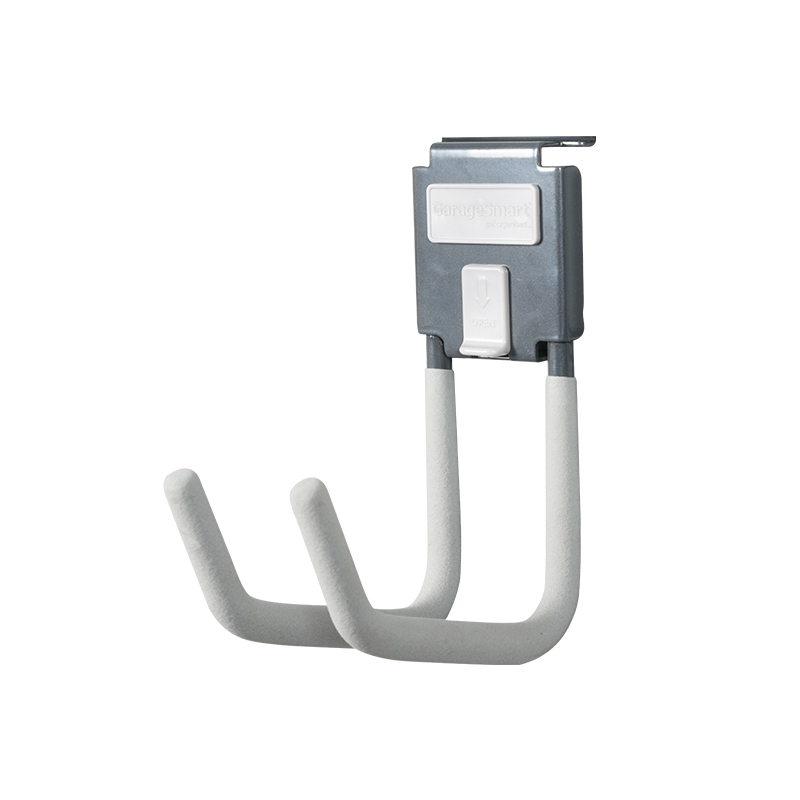
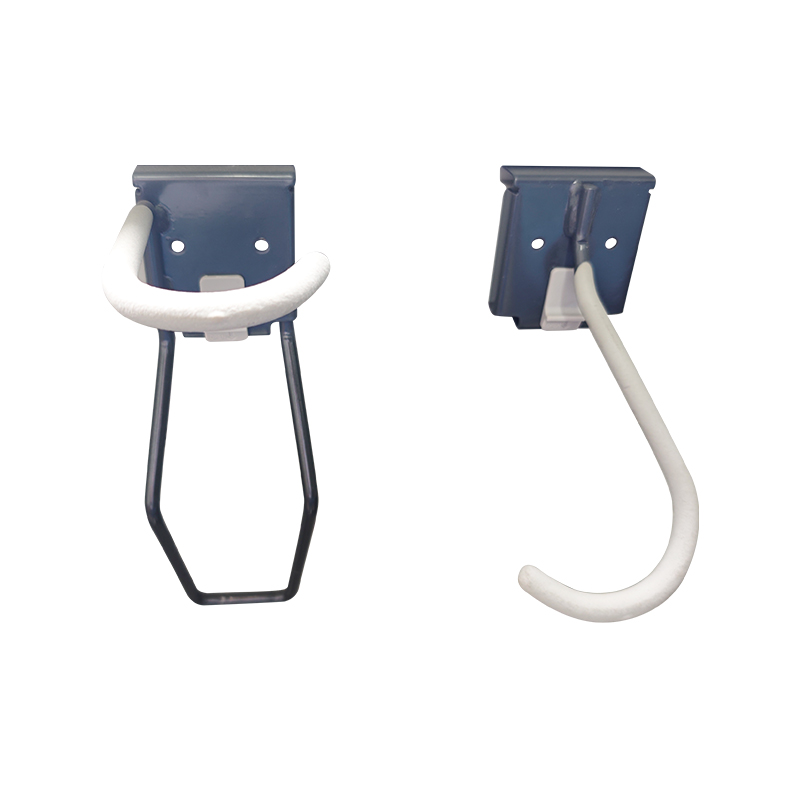
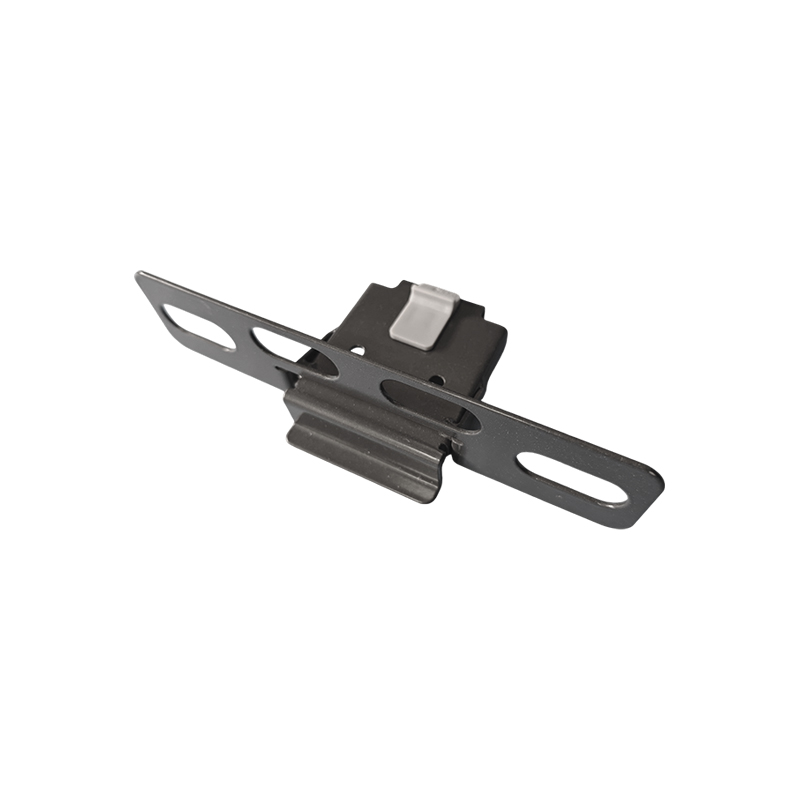
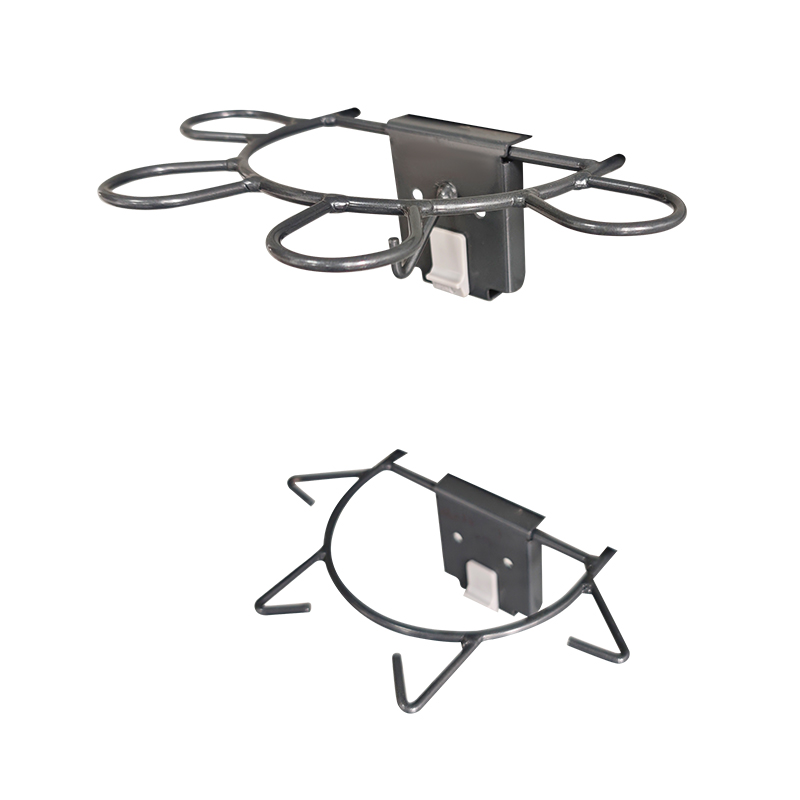
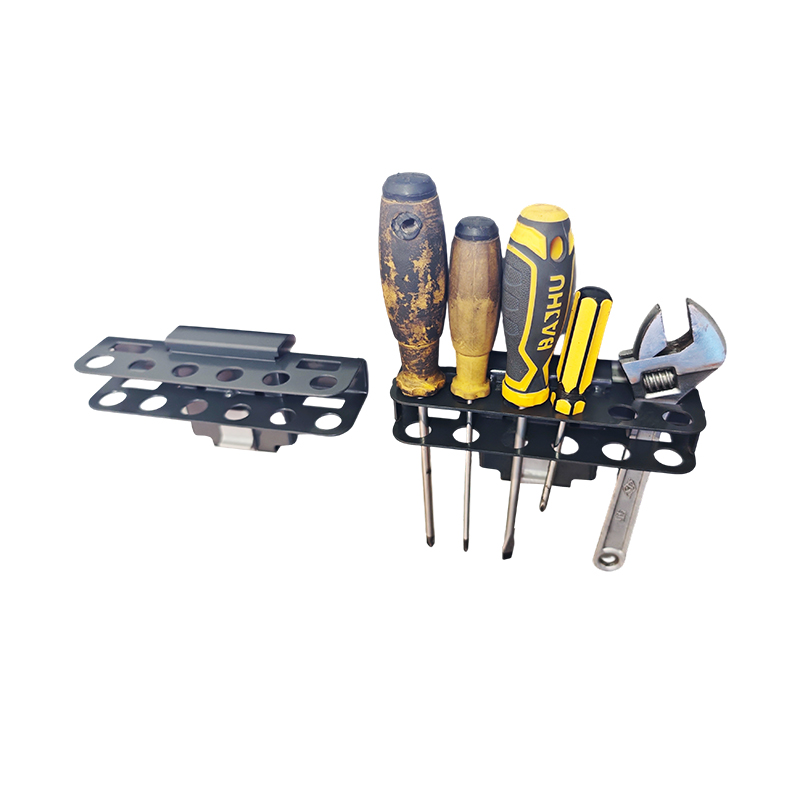
Across home garages, professional workshops, and industrial maintenance spaces, the demand for efficient organization systems is increasing as users look for ways to maximize usable space and improve workflow efficiency. A well-designed Organization Hook system is now considered more than just a simple storage accessory—it is part of a structured workspace management strategy. Recent discussions among DIY communities, tool distributors, and facility planners highlight growing interest in modular wall storage, heavy-duty load capacity hooks, and customizable panel systems that support flexible tool arrangement. In parallel, the Garage Storage Panel concept has become a key focus for users searching for wall-mounted tool organization systems, modular garage storage solutions, and heavy-duty pegboard alternatives designed for both residential and commercial environments.
Why Workspace Efficiency Has Become a Priority
Modern workshops are no longer static tool rooms—they are dynamic working environments where efficiency directly impacts productivity. Users are increasingly evaluating how storage layout affects tool accessibility, movement flow, and safety.
Instead of traditional cabinets or scattered shelving, wall-mounted systems allow tools to be visually organized and quickly accessed. This reduces time spent searching for equipment and improves task sequencing, especially in repair shops and maintenance stations.
Load Capacity and Structural Safety Are Key Concerns
One of the important considerations for buyers is how much weight storage hooks and panels can safely support. Engineers and workshop managers are paying close attention to material thickness, mounting strength, and wall compatibility.
Key technical factors include:
- Hook load rating under static and dynamic conditions
- Panel reinforcement structure for heavy tool sets
- Anti-slip coating to prevent tool displacement
- Secure locking geometry for repeated tool placement
- Compatibility with brick, wood, and metal wall surfaces
These specifications directly influence long-term safety and usability in real working environments.
Modular Design Is Changing Tool Organization Systems
A major trend in workshop planning is modularity. Instead of fixed layouts, users prefer adjustable systems that can be reconfigured based on changing tool inventories or project requirements.
Modular hook systems allow users to:
- Reposition hooks without drilling new holes
- Expand storage as tool collections grow
- Separate tool categories by workflow function
- Optimize vertical wall space efficiently
- Maintain clean and structured visual organization
This flexibility is particularly valuable in professional repair centers and shared workshop environments.
Improving Workflow Through Visual Tool Management
One of the practical advantages of wall-based storage is improved visual management. When tools are clearly displayed and logically arranged, operators can immediately identify missing or misplaced items.
This approach supports:
- Faster tool retrieval during urgent repairs
- Reduced downtime between tasks
- Better inventory awareness for workshop managers
- Improved safety by preventing floor clutter
- More efficient training for new technicians
As a result, visual organization has become an important part of modern workshop optimization strategies.
Material Selection and Long-Term Durability
Durability is a major purchasing factor, especially for users in industrial or high-frequency environments. Storage systems are expected to withstand repeated tool loading, environmental humidity, and mechanical stress over long periods.
Manufacturers typically focus on:
- High-strength steel or reinforced polymer materials
- Corrosion-resistant surface treatments
- Impact resistance for heavy tool placement
- Stable structural integrity under repeated repositioning
- Consistent manufacturing tolerances across batches
These factors ensure that storage systems remain reliable even under intensive daily use.
Application Scenarios Across Different User Groups
Wall storage systems are now widely used beyond traditional garages. Their application has expanded into multiple environments, including:
- Automotive repair workshops
- Home DIY and hobby garages
- Industrial maintenance stations
- Hardware retail display systems
- Warehouse tool organization zones
Each application requires different load capacities and layout configurations, which increases demand for customizable solutions.
OEM Customization and System Integration Needs
Distributors and project-based buyers increasingly request OEM services to match different market preferences. Customization helps brands differentiate their product offerings while meeting regional installation standards.
Manufacturers are often expected to provide:
- Custom hook shapes and sizes for specific tools
- Branded packaging for retail distribution
- Modular panel dimensions for different wall systems
- Mixed accessory kits for complete storage solutions
- Bulk production consistency for large-scale projects
This approach supports both retail and industrial supply chains.
Manufacturing Precision Defines Storage Performance
The performance of storage systems depends heavily on manufacturing accuracy, including hook geometry, surface finishing, and panel alignment. Even small inconsistencies can affect load stability and user experience.
As workshop environments continue to evolve toward efficiency, modularity, and visual management, demand for reliable Organization Hook solutions will continue to grow, especially among users seeking structured, scalable, and durable storage systems. At the same time, the Garage Storage Panel remains a core component for building organized, high-efficiency workspace environments across global markets.

Bode specializes in high-quality, multifunctional metal shelving solutions. We manufacture durable metal shelves designed to optimize warehouse organization. We are committed to providing our customers with affordable, reliable products while supporting a cleaner and more sustainable environment.
Ready to work with us?

-
Tel
+86-13819988181
-
E-mail
sales@bodehardware.com
Product Links
Quick Links
Contact Us
Copyright © Jinhua Bode Hardware Technology Co., Ltd. All Rights Reserved.

China Garage Storage Racks