-
 +86-13819988181
-
 sales@bodehardware.com

 English
 English
 中文简体
中文简体 Español
Why Do Garage Hooks Keep Falling Out
2026-02-13
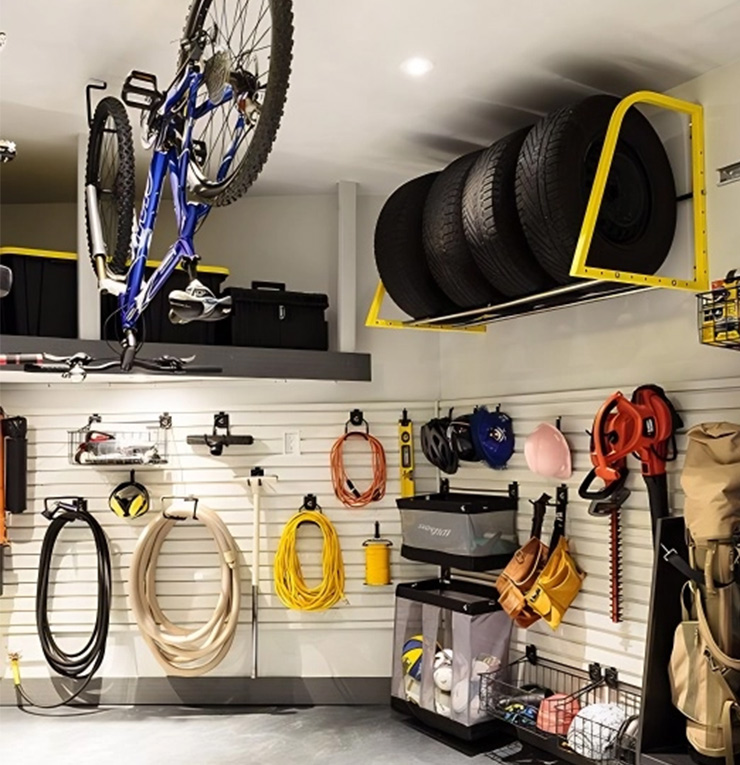
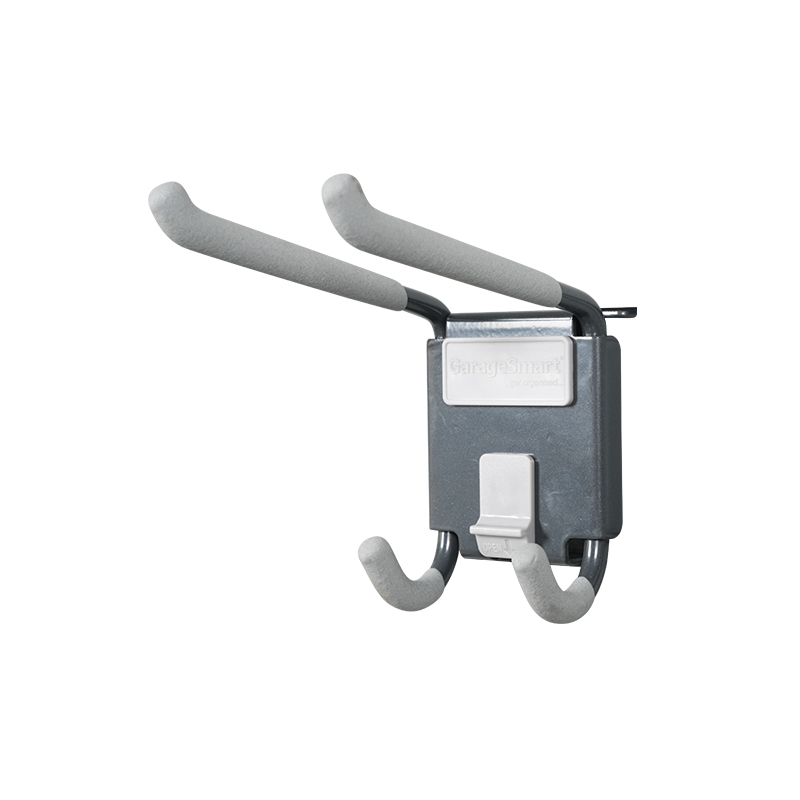
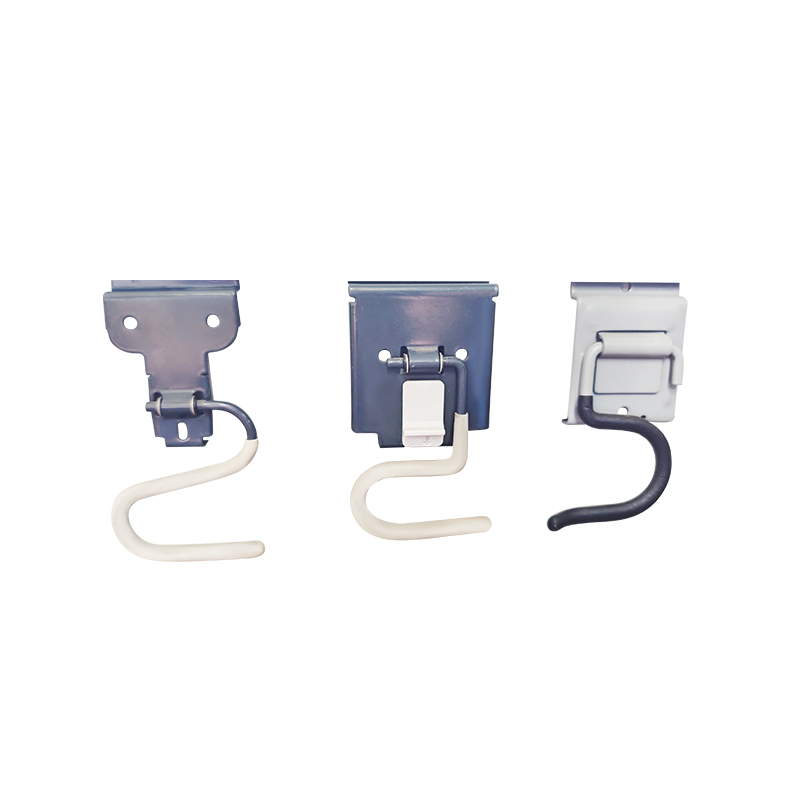
A garage often relies on smart storage solutions such as Wall Hanging Garage Shelves and Wall Mounted Garage Hooks to maximize usable space and keep tools or gear within reach. Still, many DIYers and homeowners encounter a frustrating issue: hooks that seem great on paper but keep pulling loose from the wall and failing to hold gear securely. Understanding the reasons behind this common problem can help you choose better hardware and install it in a way that works long-term.
1. Weight vs. Mounting Surface
One of the main reasons Wall Mounted Garage Hooks fail is a mismatch between the weight of the item you’re hanging and the mounting surface that the hook is anchored into. A hook might be rated to hold significant weight, but if it’s only attached to drywall or weak anchors, it can rip out under load. In fact, hooks rated for over 30 kg can still pull clean out of plasterboard if not properly secured into studs or solid backing.
This means the hook’s rated capacity isn’t the whole story — you must consider what the hook is anchored into. Drywall-only installations are generally suitable for lightweight items, but tools, bikes, or extension ladders require support from structural elements.
2. Improper Anchors and Hardware
Using the wrong type of anchor is a frequent mistake. Standard plastic anchors or adhesive hooks are fine for lightweight items like hats or keys, but they are not designed to handle heavy tools, garden equipment, or garage gear hung on Wall Mounted Garage Hooks.
Modern hardware guides recommend choosing hardware appropriate for the wall type — for example, lag bolts into wooden studs or masonry anchors for concrete walls — to ensure weight is distributed effectively and doesn’t cause pullout or deformation of the hook.
3. Stud Location and Weight Distribution
Even when you choose quality hooks, installing them only at a single point or too far apart can cause stress concentrations that cause to failure. Users frequently report that hooks can fail not because the hook itself is weak but because the wall structure around it isn’t reinforced enough.
Some experienced DIYers suggest mounting hooks on a backer board (a piece of plywood or timber screwed into multiple studs) before attaching the hook hardware. This spreads the load over several structural members and significantly reduces the risk of pullout.
4. Installation Angle and Clearance
Another detail often overlooked is the angle and spacing of hooks. Hooks installed at an improper angle or too close to adjacent hooks can cause gear to slip off or put uneven force on the fasteners, increasing the chance of failure. A proper hook installation should ensure:
Hooks are level and perpendicular to the wall.
Items are hung with enough clearance so that they don’t rub against walls or adjacent hooks.
Ample space is left between different gear to prevent jamming and undue sideways force.
5. Environment and Material Fatigue
Garages are not always climate-controlled spaces, and gradual changes in humidity and temperature can affect materials over time. Even strong hooks can loosen as the wall expands or contracts, especially if screws were not tightened with the right torque to begin with.
Regular inspection is important: check for loose screws, bent hooks, or wall damage, and tighten or replace components as needed. Making this part of your routine maintenance can prevent unexpected falls and damage.
6. Real-World User Concerns
Many home improvers have reported that installing hooks directly into drywall anchors leads to failure quickly under moderate weight. One practical approach shared among DIY communities is ensuring all hooks are secured into studs or mounted with backing boards, especially for heavier items such as bicycles, large extension cords, or power tools.
Others note that even strong hooks can fail if users overload them or install them incorrectly. This underscores the importance of carefully planning your garage layout before installing Wall Mounted Garage Hooks — and not assuming that hooks that look robust will hold everything.
Tips for Stable Hook Installations
To make your hooks stay put and support heavy gear:
- Always locate and mark studs before drilling holes.
- Choose appropriate fixings (lag bolts for wood, masonry anchors for stone/concrete walls).
- Use backer boards when stud locations are irregular.
- Distribute weight across multiple hooks when hanging heavy items.
- Inspect periodically and re-tighten hardware.
By understanding the interaction between hooks, wall material, and load, you can avoid the common frustration of hooks pulling out and fight clutter effectively with Wall Hanging Garage Shelves and hooks that stay secure.
At Jinhua Bode Hardware Technology Co., Ltd., attention to mounting recommendations and quality hardware can improve the durability of your storage setup. Taking the time to install thoughtfully will give your garage a reliable organization system that lasts.

Bode specializes in high-quality, multifunctional metal shelving solutions. We manufacture durable metal shelves designed to optimize warehouse organization. We are committed to providing our customers with affordable, reliable products while supporting a cleaner and more sustainable environment.
Ready to work with us?

-
Tel
+86-13819988181
-
E-mail
sales@bodehardware.com
Product Links
Quick Links
Contact Us
Copyright © Jinhua Bode Hardware Technology Co., Ltd. All Rights Reserved.

China Garage Storage Racks