-
 +86-13819988181
-
 sales@bodehardware.com

 English
 English
 中文简体
中文简体 Español
Are Poor Cable Management Systems Slowing Down Your Industrial Projects?
2026-06-05
As data centers, manufacturing facilities, logistics hubs, and energy infrastructure projects continue to expand, cable management has become a critical topic among engineers and project managers. Industry professionals are increasingly searching for solutions that improve safety, simplify maintenance, and support future expansion. Online discussions frequently focus on cable organization, equipment accessibility, and reducing installation challenges in complex industrial environments.
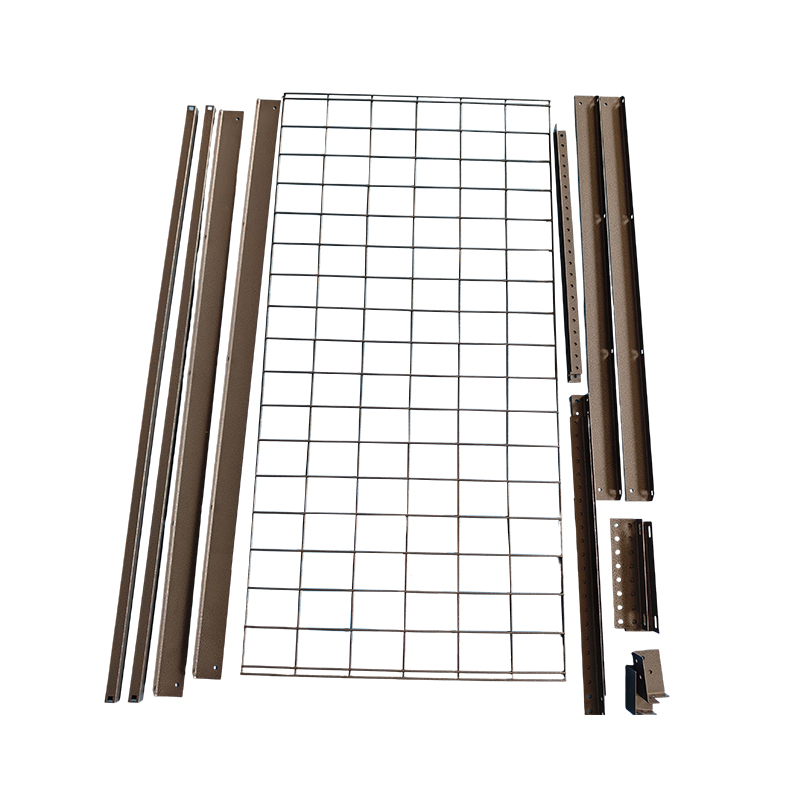
Many buyers exploring large-scale infrastructure projects are evaluating storage and routing systems that can handle increasing cable volumes without creating maintenance difficulties. Products such as Heavy Duty Overhead Rack systems are attracting attention because they help address these growing operational challenges while supporting long-term facility efficiency.
The Hidden Costs of Poor Cable Organization
Cable management is often overlooked during the early stages of a project. However, disorganized cable routing can create problems that become increasingly expensive over time.
Common issues include:
- Difficult troubleshooting procedures
- Restricted equipment access
- Increased risk of cable damage
- Longer maintenance shutdowns
- Reduced workplace safety
For data centers, industrial plants, and telecommunications facilities, even routine maintenance becomes more complicated when cable pathways are poorly planned.
Growing Infrastructure Demands Require Better Support Systems
Modern facilities are handling larger amounts of power, communication, and control cabling than ever before. Industrial automation, smart manufacturing, and renewable energy projects all contribute to higher cable density.
Engineers are increasingly seeking solutions that can:
- Support heavier cable loads
- Accommodate future expansion
- Improve airflow around installations
- Simplify cable routing across large facilities
This shift has increased demand for more durable and scalable cable support structures.
Why Maintenance Accessibility Matters More Than Ever
Maintenance teams need quick access to cables, equipment, and network infrastructure. When cable systems become overcrowded or difficult to access, routine inspections can consume unnecessary time and labor.
A well-designed cable management system helps teams:
- Identify cable routes quickly
- Reduce troubleshooting time
- Perform upgrades efficiently
- Minimize operational disruptions
For facilities operating around the clock, maintenance efficiency directly affects overall productivity.
Safety and Compliance Are Driving Purchasing Decisions
Across many industries, safety requirements continue to evolve. Proper cable support helps reduce physical stress on cables and minimizes hazards associated with poorly managed installations.
Key considerations often include:
What Project Engineers Commonly Evaluate
- Structural load capacity
- Corrosion resistance
- Installation flexibility
- Long-term durability
- Compatibility with different cable types
Buyers increasingly view cable management systems as an essential part of overall facility reliability rather than a secondary accessory.
How Manufacturers Support Long-Term Infrastructure Planning
As a manufacturer, we work closely with contractors, system integrators, and engineering teams to understand real-world project requirements. Every facility has unique demands based on cable volume, environmental conditions, and future expansion plans.
Our engineering focus includes:
- Reliable structural design
- Consistent manufacturing quality
- Flexible configuration options
- Efficient installation support
- Long service life in industrial environments
These considerations help customers build cable management systems that remain effective as infrastructure requirements evolve.
Expansion-Friendly Designs Help Protect Future Investments
Many facilities eventually require additional power distribution, communication networks, or automation equipment. Systems that cannot accommodate growth often advance to costly modifications later.
Scalable cable management solutions allow organizations to:
- Add new equipment more efficiently
- Reduce renovation complexity
- Improve long-term project flexibility
- Optimize facility organization
Forward-thinking buyers increasingly prioritize infrastructure solutions that support future operational needs rather than only current requirements.
Strong Cable Support Systems Create More Efficient Facilities
As industrial facilities become more connected and technologically advanced, organized cable routing plays a larger role in operational performance. Reliable cable support improves maintenance efficiency, enhances safety, and helps protect critical infrastructure investments.
For this reason, demand for Heavy Duty Overhead Rack solutions continues to grow across industrial, commercial, and infrastructure projects worldwide. Likewise, the Heavy Duty Cable Rack has become an important component for engineers and facility managers seeking dependable cable management, simplified maintenance access, and long-term support for expanding electrical and communication networks.

Bode specializes in high-quality, multifunctional metal shelving solutions. We manufacture durable metal shelves designed to optimize warehouse organization. We are committed to providing our customers with affordable, reliable products while supporting a cleaner and more sustainable environment.


Ready to work with us?

-
Tel
+86-13819988181
-
E-mail
sales@bodehardware.com
Product Links
Quick Links
Contact Us
Copyright © Jinhua Bode Hardware Technology Co., Ltd. All Rights Reserved.

China Garage Storage Racks