-
 +86-13819988181
-
 sales@bodehardware.com

 English
 English
 中文简体
中文简体 Español
Which Accessories Prevent Cable Damage During Pulls
2026-05-29
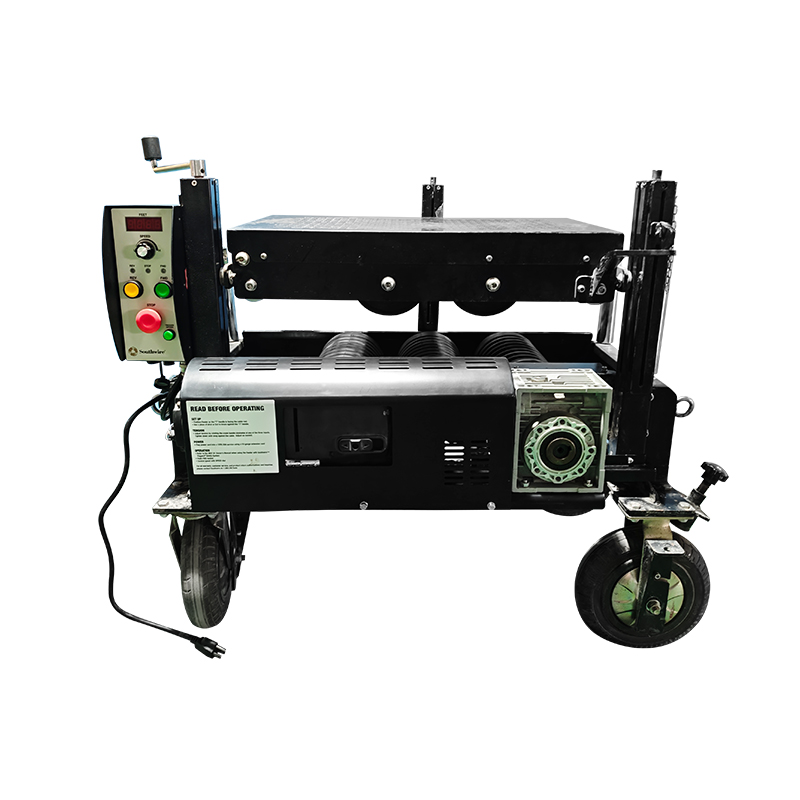
Modern cable installation environments rely heavily on high-performance equipment such as a Cable Pulling Machine combined with specialised Cable Pulling Accessories designed to reduce friction, control tension, and eliminate mechanical stress during long or complex cable runs. Our company has worked closely with contractors and industrial installers who often face issues such as jacket abrasion, conductor deformation, and pulling breakage, especially in underground ducting or tight conduit systems.
Cable damage during pulling is rarely caused by a single factor. It is usually a combination of excessive tension, sharp bends, poor guiding, and inadequate protective accessories. That is why accessory selection plays a critical role in maintaining cable integrity across electrical, telecom, and industrial installations.
1. Cable Pulling Grips That Distribute Tension
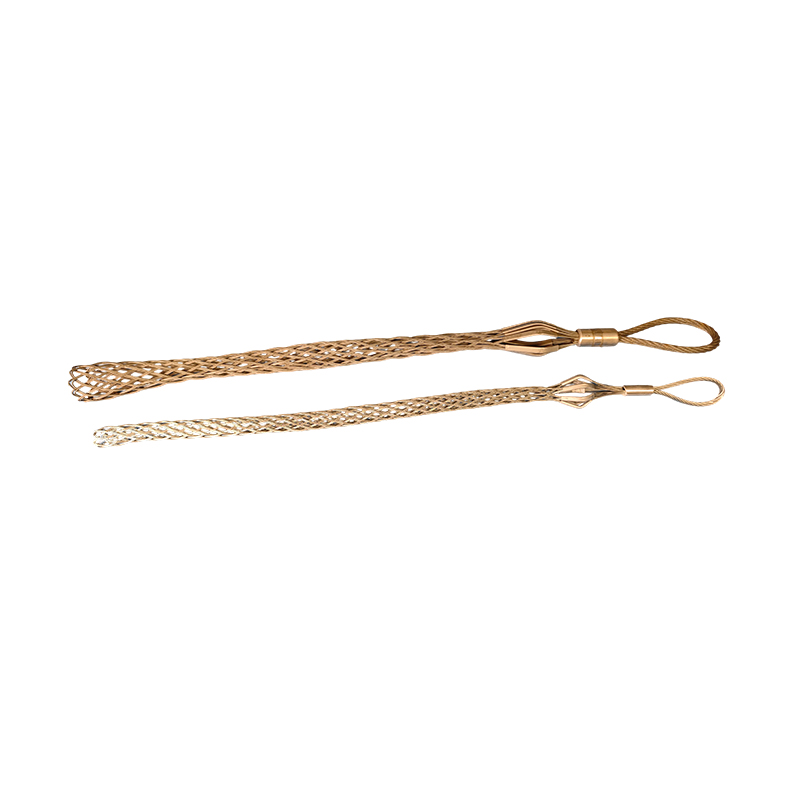
An essential protective tool is the cable pulling grip. It is designed with a braided metal mesh structure that tightens around the cable and distributes pulling force evenly.
Key technical characteristics:
- Tensile load capacity: 5kN – 80kN depending on model
- Stainless steel mesh for corrosion resistance
- Load distribution over 300mm–1200mm grip length
- Compatible with copper, fiber, and multi-core cables
Instead of concentrating force at a single point, pulling grips spread stress along the cable jacket, significantly reducing the risk of internal conductor damage. Industry references show that mesh grips also help reduce abrasion when cables pass through bends or rough conduit surfaces .
2. Cable Rollers and Corner Guides for Bend Protection
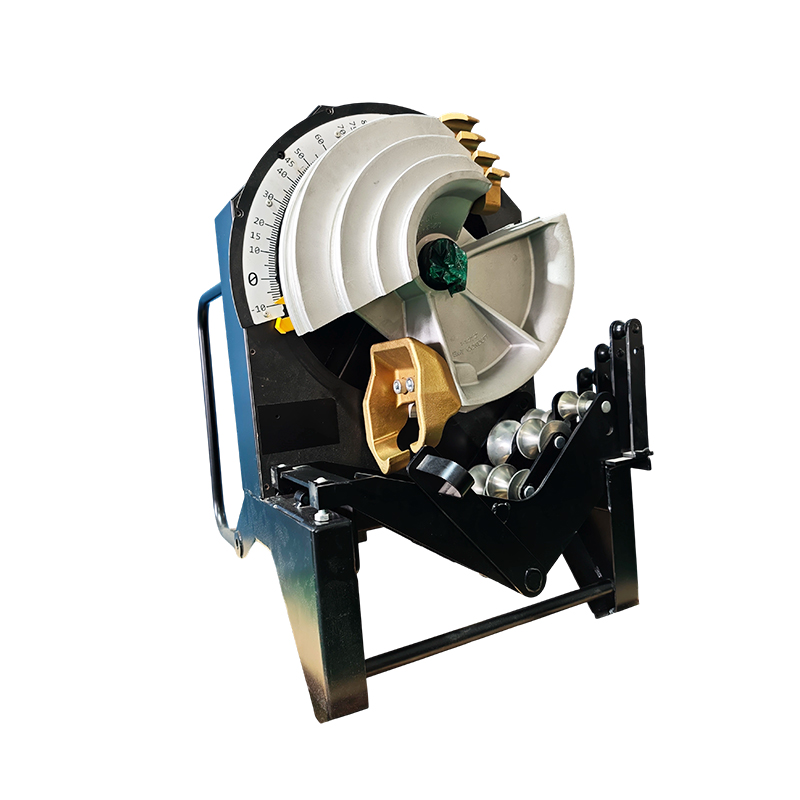
Cable damage often occurs at turning points inside ducts or cable trays. Roller systems solve this by guiding cables smoothly through curves.
Typical configurations include:
- Straight-line roller sets
- Corner roller assemblies (45° / 90° angles)
- Heavy-duty galvanized steel frames
- Roller diameter: 80mm–200mm
- Maximum cable diameter: up to 120mm
Proper roller placement ensures that the cable bending radius stays above the design limits, preventing sheath cracking and conductor stress.
Our company integrates roller guidance systems compatible with high-load Cable Pulling Machine operations for long-distance installation projects.
3. Swivels That Prevent Cable Twisting
Cable twisting is another major cause of internal damage. Anti-rotation swivels are installed between pulling rope and cable head.
Function advantages:
- Eliminates torsional stress during pulling
- Allows independent cable rotation
- Rated load: 10kN–150kN
- Precision bearing system reduces friction
By isolating rotational force, swivels protect sensitive cable types such as fiber optic and high-voltage communication lines. Technical studies confirm that reducing torsion significantly improves long-term cable reliability.
4. Cable Lubrication Systems for Reduced Friction
Cable pulling lubricant is often underestimated but plays a major role in reducing sheath damage.
Performance features:
- Friction reduction up to 60%
- Water-based or gel-based formulation
- Compatible with PVC, XLPE, and PE jackets
- Temperature resistance: -20°C to 80°C
Lubricants reduce heat buildup during long pulls, preventing insulation softening and surface abrasion. Combined with Cable Pulling Accessories, lubrication improves overall installation efficiency.
5. Cable Socks and Strain Relief Grips
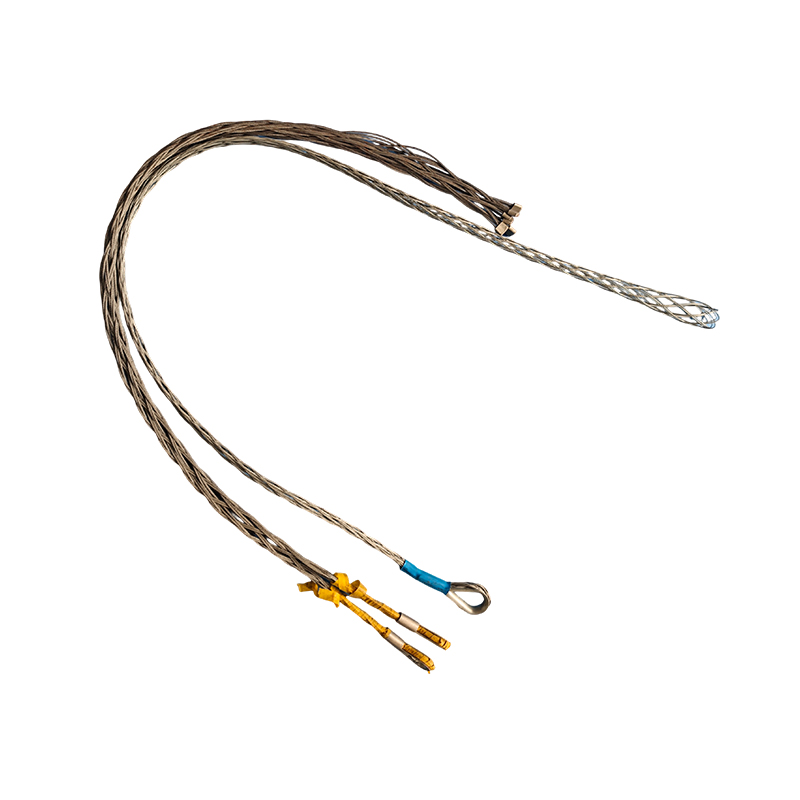
Cable socks (also called wire mesh grips) provide strain relief during both horizontal and vertical pulling operations.
Key specifications:
- Load transfer along full grip length
- Anti-slip braided steel construction
- Suitable for overhead and underground pulling
- Optional double-eye or swivel-end design
These grips also function as temporary support during installation stages, ensuring cables are not overstressed at connection points.
6. Cable Entry Protection and Duct Guides
Damage often occurs at duct entry points due to sharp edges or misalignment. Protective accessories include:
- Entry bells and duct protectors
- Plastic or steel bushings
- Edge smoothening guides
- Bend radius limiting collars
These components prevent direct contact between cable sheath and conduit edges, reducing cutting or scraping risks during high-tension pulls.
7. Integrated Pulling Systems Improve Safety
A complete system combining Cable Pulling Machine technology with accessories delivers the higher level of protection.
A typical integrated setup includes:
- Hydraulic or electric pulling machine (10kN–200kN capacity)
- Digital tension monitoring display
- Auto stop overload protection
- Synchronised roller guidance system
- Swivel + grip + lubricant combination
This integration ensures controlled tension, stable speed, and consistent installation quality across long cable routes.
8. Industry Application Requirements
Different industries require different protection levels:
- Power transmission projects: high-load grips + rollers
- Telecom fiber installation: swivel + low-friction lubricant
- Industrial automation: compact pulling systems + strain relief
- Underground duct systems: corner rollers + duct protectors
Each configuration reduces specific types of mechanical stress while improving installation safety.
9. Engineering Perspective on Cable Protection
Cable failure during pulling is often linked to three mechanical conditions:
- Excess tensile load beyond rated cable strength
- Bending radius below manufacturer specification
- Uneven force distribution along cable jacket
Modern Cable Pulling Accessories are engineered to eliminate these risks through mechanical load balancing and guided movement systems.
10. Our Company Approach to Cable Protection Systems
Our company designs and supplies complete cable installation solutions, including Cable Pulling Machine systems and full accessory kits tailored for industrial use.
We focus on:
- High-torque hydraulic pulling systems
- Modular accessory compatibility
- Long-distance pulling stability
- Reduced friction engineering
- Heavy-duty industrial durability
More technical specifications and product solutions can be found at our products.

Bode specializes in high-quality, multifunctional metal shelving solutions. We manufacture durable metal shelves designed to optimize warehouse organization. We are committed to providing our customers with affordable, reliable products while supporting a cleaner and more sustainable environment.
Ready to work with us?

-
Tel
+86-13819988181
-
E-mail
sales@bodehardware.com
Product Links
Quick Links
Contact Us
Copyright © Jinhua Bode Hardware Technology Co., Ltd. All Rights Reserved.

China Garage Storage Racks