-
 +86-13819988181
-
 sales@bodehardware.com

 English
 English
 中文简体
中文简体 Español
Can One Person Pull Heavy Cable Alone Safely
2026-05-22
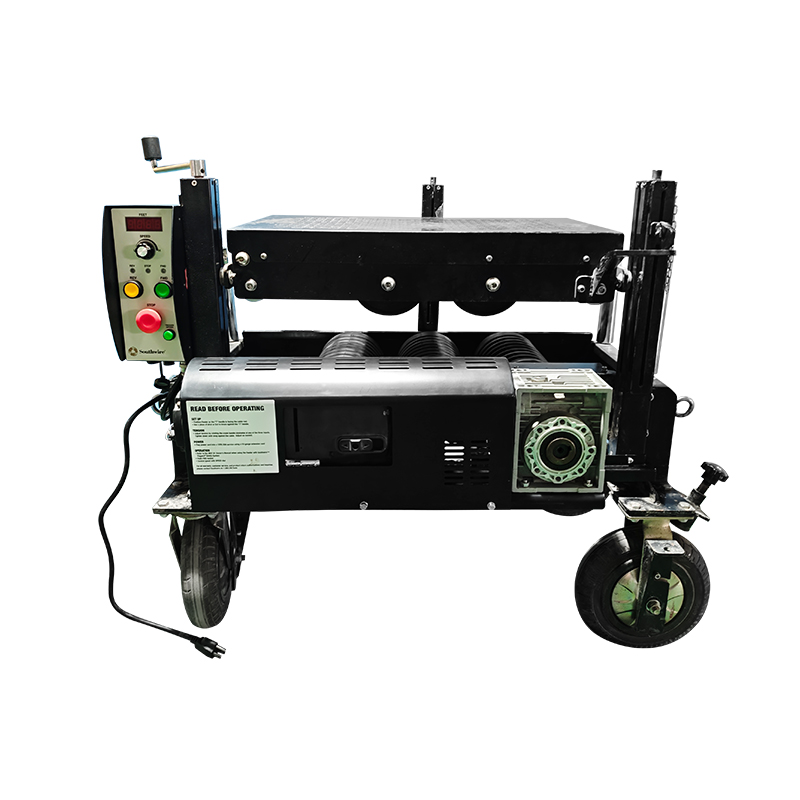
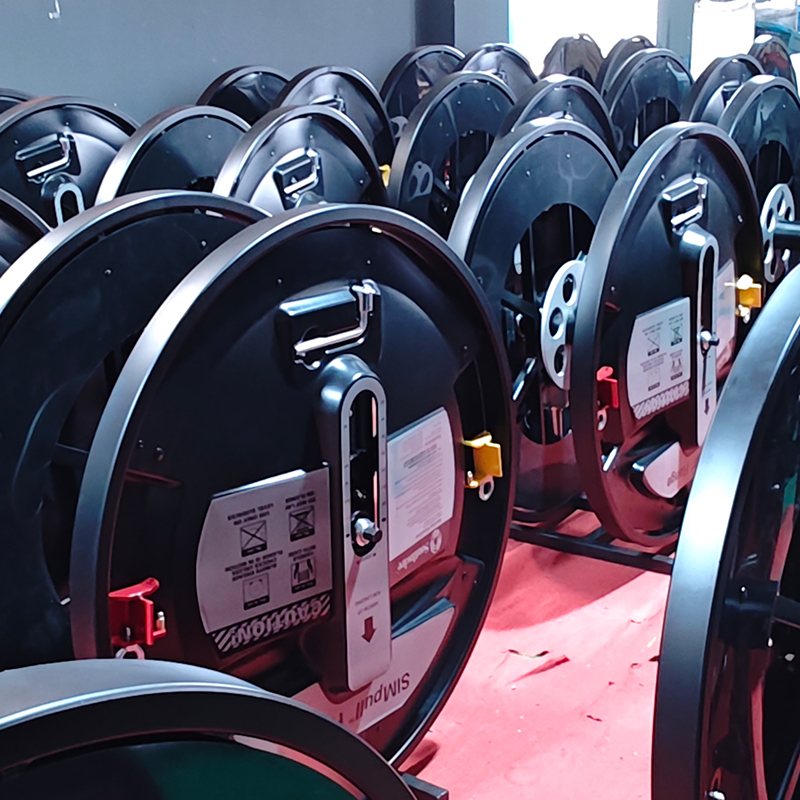
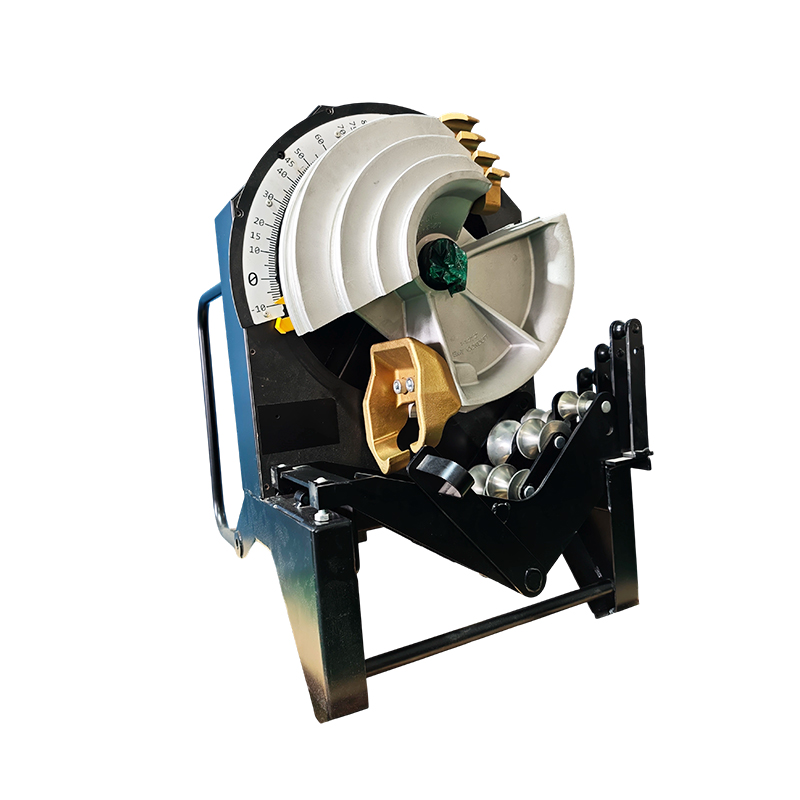
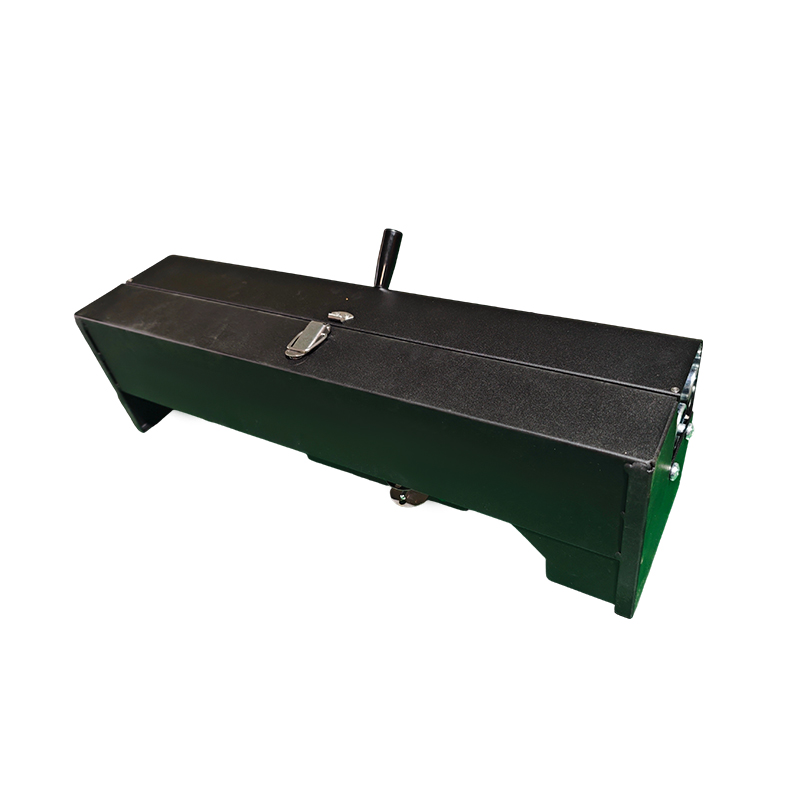
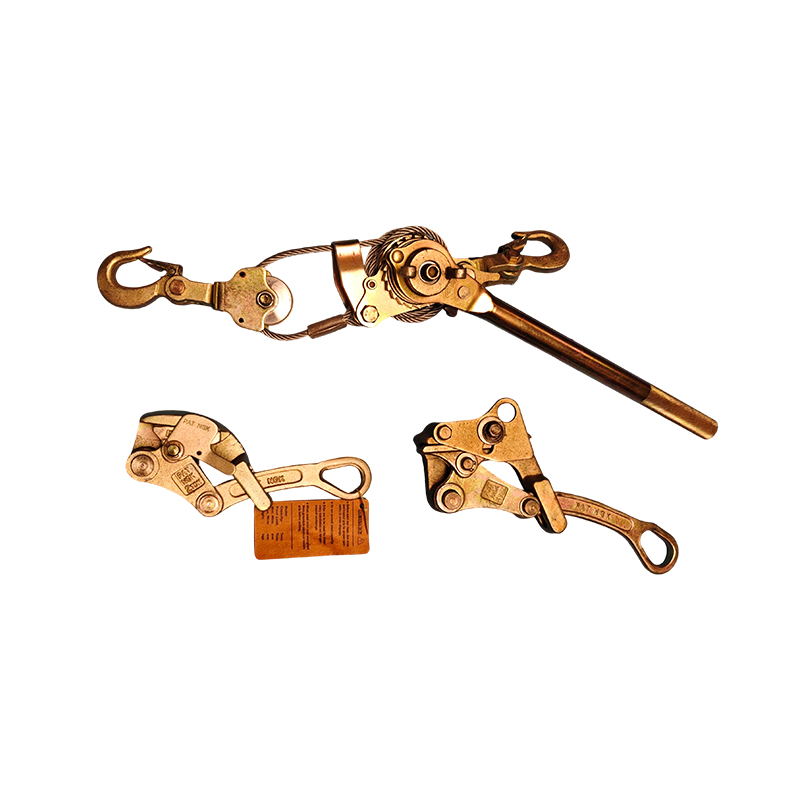
Handling heavy electrical cables can be physically demanding and poses serious safety risks without proper tools and techniques. Modern industrial and commercial installations often involve pulling long runs of thick power or communication cables through conduits, trenches, or cable trays. Using a Cable Pulling Machine significantly reduces manual effort, ensuring the operation can be executed efficiently and safely. Complementary equipment like Cable Pulling Accessories, such as rollers, grips, and tension monitors, further optimizes the process, reducing strain on the operator and protecting the cable from damage.
Understanding the Risks of Solo Cable Pulling
Attempting to pull heavy cables alone exposes operators to multiple hazards:
- Muscle strain and injury: Thick power cables can weigh several kilograms per meter, quickly overloading an unassisted worker.
- Cable damage: Excessive tension, kinking, or scraping during manual pulling can compromise the insulation and reduce cable lifespan.
- Trip and fall hazards: Long runs of cable increase the likelihood of entanglement or accidental trips in confined spaces.
- Conduit friction: Pulled cables often face significant resistance in bends and conduits, making consistent tension difficult to manage manually.
By integrating a cable pulling machine with proper accessories, operators can maintain control over tension and speed, drastically reducing physical effort and minimizing potential injuries.
Benefits of a Cable Pulling Machine
Modern cable pulling machines are designed to handle a wide range of cable sizes and materials. Key features include:
- Adjustable pulling speed: Operators can set the machine to match conduit resistance, preventing overstressing of the cable.
- High pulling force: Typical machines provide forces ranging from 1,000 to 10,000 pounds, sufficient for many medium- and large-diameter cables.
- Integrated tension monitoring: Real-time feedback ensures cable tension stays within safe limits.
- Portable design: Many machines are compact and mobile, allowing one person to transport and operate them with minimal assistance.
Our company offers cable pulling machines equipped with electronic tension controls and smooth-start mechanisms, ensuring even solo operators can manage heavy cable runs safely.
Essential Cable Pulling Accessories
The right accessories complement a cable pulling machine, making solo operations feasible and safe:
- Cable rollers and supports: Reduce friction in bends and long horizontal runs, protecting cable jackets and insulation.
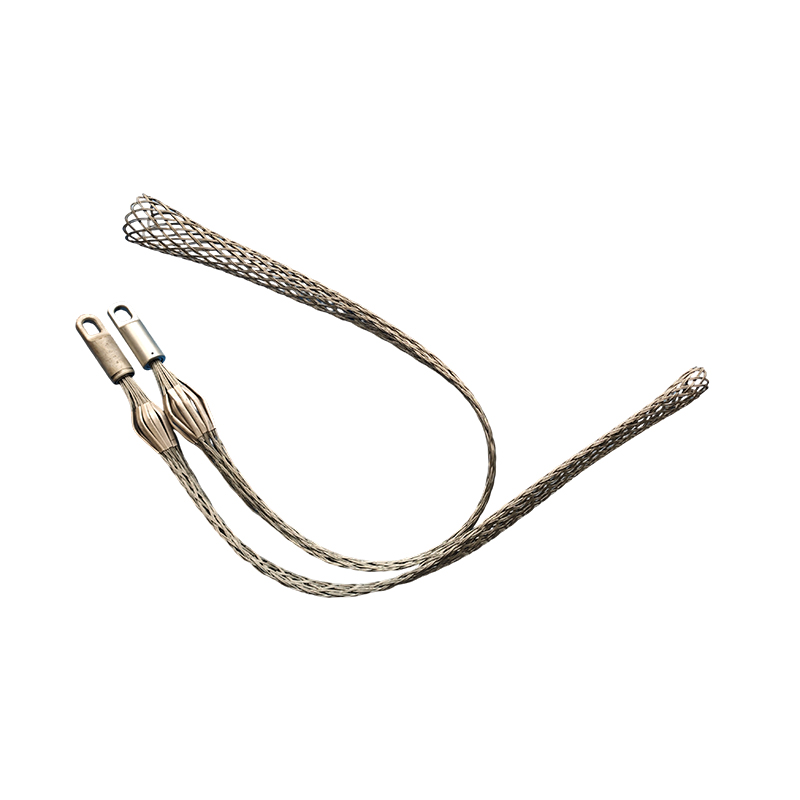
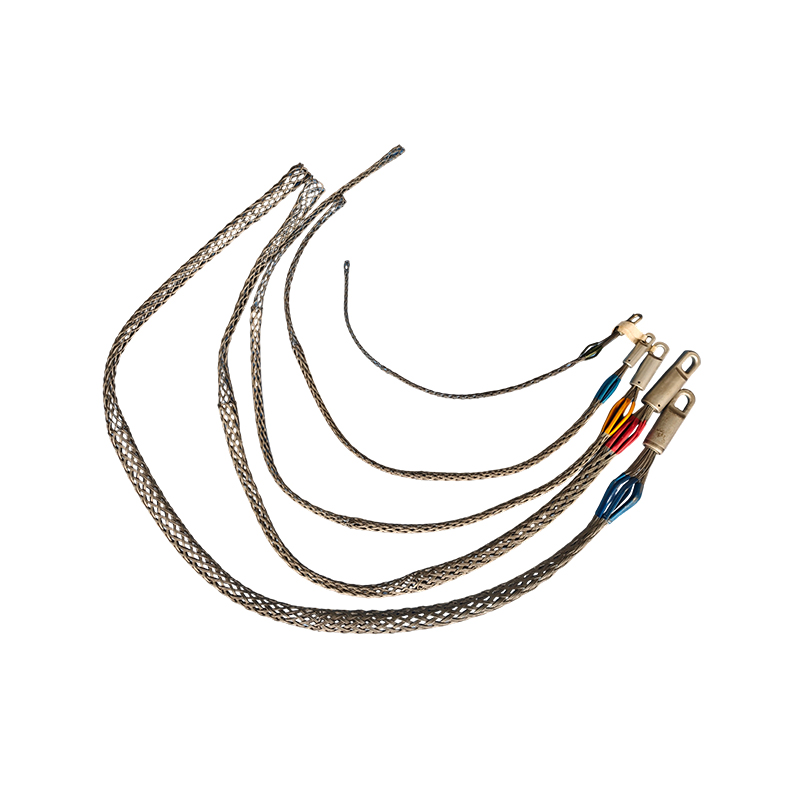
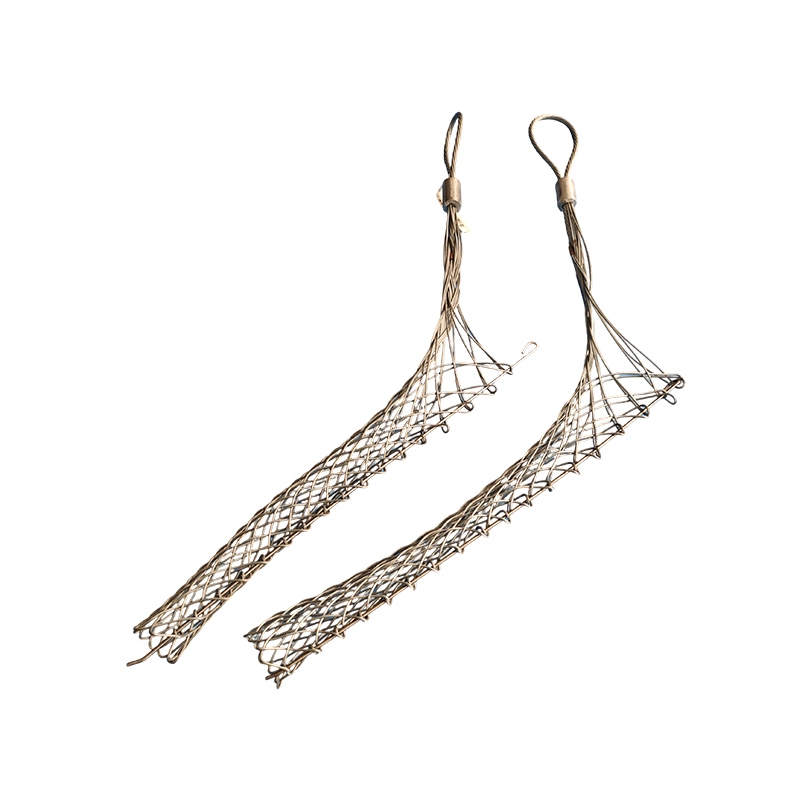
- Grips and clamps: Securely attach cables to the pulling mechanism without slipping.
- Lubricants: Specialized cable-pulling gels reduce conduit friction, enabling smoother installation and lower pulling force.
- Tension meters and load cells: Monitor pulling force in real time to prevent overloading.
- Guide sheaves: Maintain proper cable alignment in tight bends or entry points.
By deploying these accessories alongside our machines, operators maintain safety while improving installation speed and accuracy.
Planning and Technique
Even with a machine, careful planning remains critical for safe solo cable pulling:
- Pre-inspection of conduit paths: Check for obstructions, sharp edges, or tight bends that could impede cable movement.
- Determine cable weight and length: Match machine capacity and accessory setup to the cable’s specifications.
- Stage cables appropriately: Roll out cable sections and keep tension manageable to avoid sudden jerks.
- Monitor tension continuously: Adjust speed or apply lubrication as needed to maintain safe pulling forces.
- Maintain a clear workspace: Ensure no obstacles or personnel are near the cable path to prevent accidents.
Proper preparation ensures the pulling operation proceeds smoothly and reduces reliance on physical strength.
When Solo Pulling Is Feasible
A single operator can safely pull heavy cables using a cable pulling machine when:
- Cable lengths are moderate and within machine capacity.
- Tension monitors or smart controls are installed.
- Supporting accessories like rollers and grips are strategically placed.
- Emergency stop functions and clear visibility are available.
Our company emphasizes the importance of ergonomics and machine safety features, enabling operators to work independently without compromising health or installation quality.
Training and Safety
Even with advanced machines, operators require training on:
- Correct setup and anchoring of cable pulling machines.
- Proper use of grips, rollers, and tension monitors.
- Recognizing early signs of cable damage or excessive tension.
- Emergency procedures and machine shutdown.
Regular safety checks, preventive maintenance, and adherence to manufacturer guidelines are essential to ensure long-term reliability and risk reduction.

Bode specializes in high-quality, multifunctional metal shelving solutions. We manufacture durable metal shelves designed to optimize warehouse organization. We are committed to providing our customers with affordable, reliable products while supporting a cleaner and more sustainable environment.
Ready to work with us?

-
Tel
+86-13819988181
-
E-mail
sales@bodehardware.com
Product Links
Quick Links
Contact Us
Copyright © Jinhua Bode Hardware Technology Co., Ltd. All Rights Reserved.

China Garage Storage Racks