-
 +86-13819988181
-
 sales@bodehardware.com

 English
 English
 中文简体
中文简体 Español
Is Your Cable Grip Safe to Reuse Again
2026-05-15
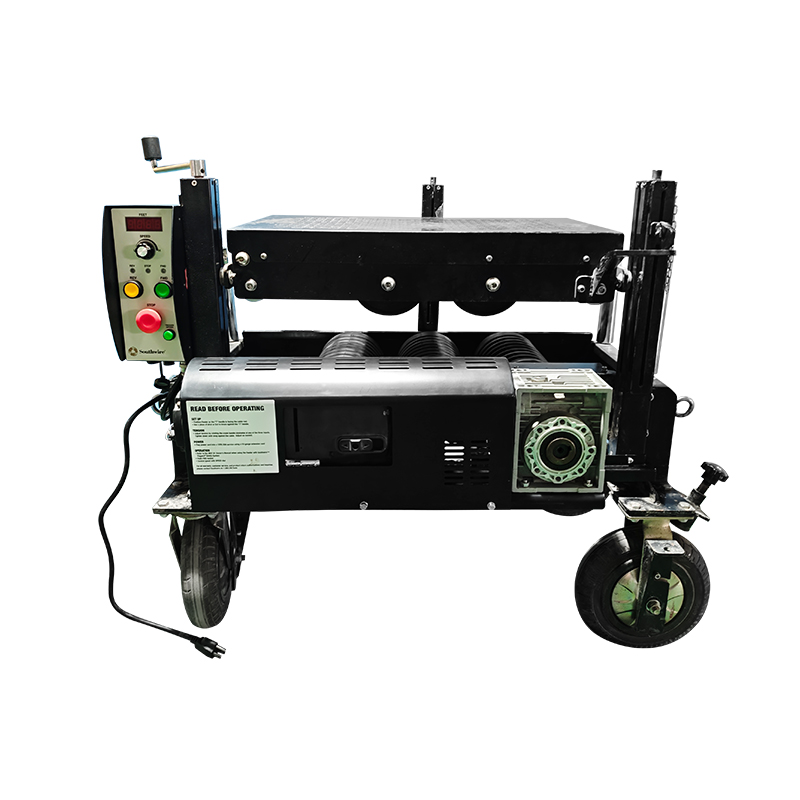
Cable pulling operations in modern electrical and construction projects rely heavily on safe and reliable lifting and traction tools. A Cable Pulling Machine is often used to generate controlled pulling force during long-distance installation, while Cable Pulling Accessories such as mesh grips, swivels, and pulling socks, ensure secure handling of conductors and cables under tension. However, a critical question remains for field engineers and maintenance teams: can a cable grip be safely reused after one or multiple operations?
Cable grips are often considered reusable tools, but their safety depends entirely on inspection, load history, and structural integrity rather than simple appearance.
1. Structural Integrity Determines Reuse Safety
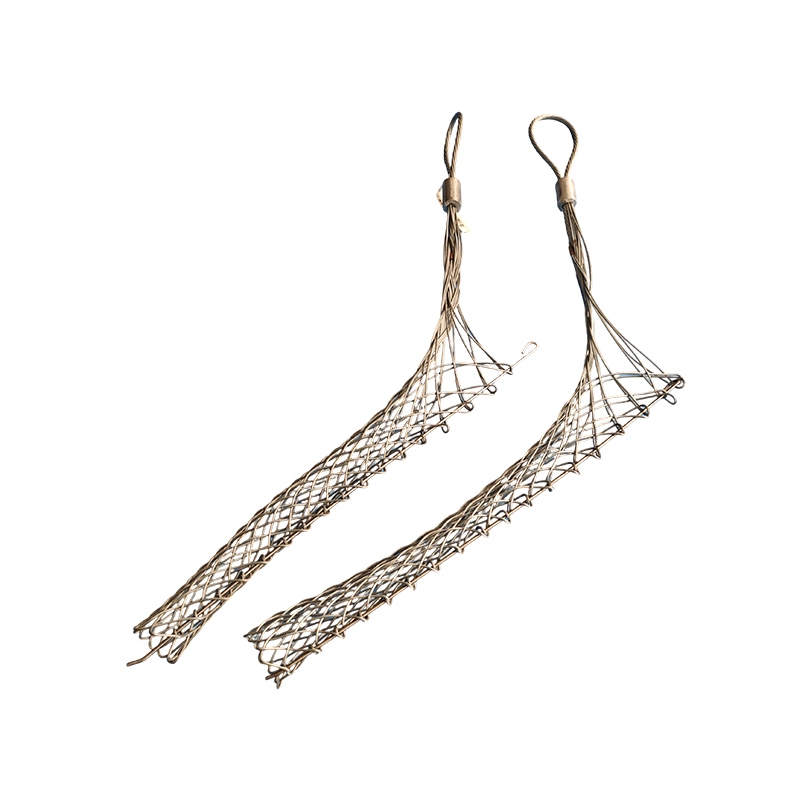
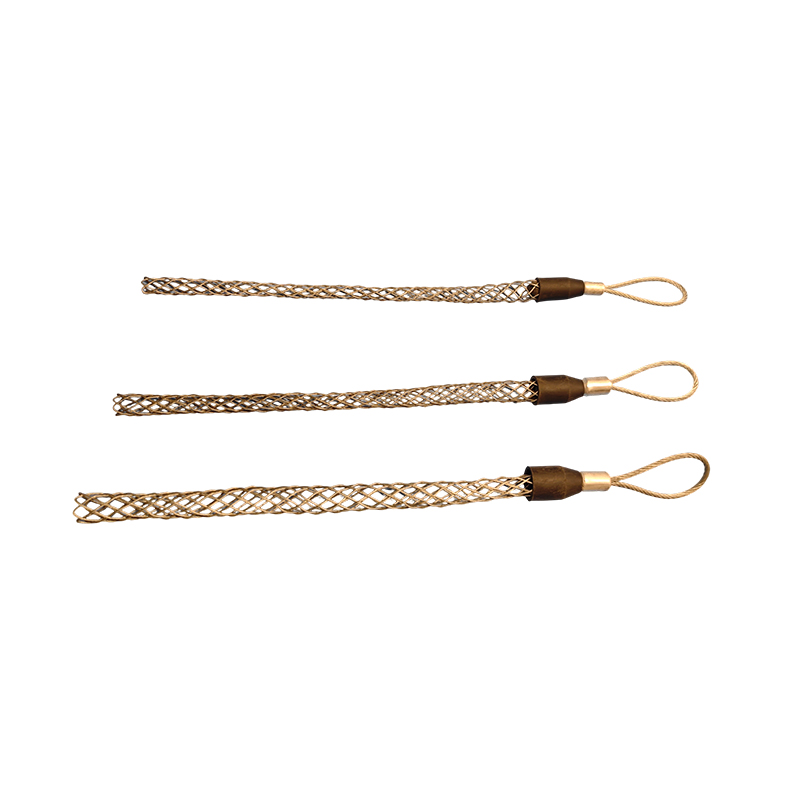
Cable grips are typically woven from galvanised steel wire or high-tensile alloy strands. During pulling operations, each strand shares load tension across the mesh.
Key reuse evaluation points include:
- Broken wire strands inside the mesh
- Permanent deformation of the grip sleeve
- Corrosion or rust at stress points
- Loosened eye loops or pulling ends
- Slippage marks indicating overload events
Industry guidance shows that even minor wire damage can reduce grip reliability significantly under load conditions.
A cable grip that has experienced overload during a Cable Pulling Machine operation should not be reused without engineering verification.
2. Load History and Working Load Limit (WLL)
Safe reuse is directly tied to previous working load exposure.
Typical engineering practice defines:
- Overhead pulling safety factor: 5:1
- Underground pulling safety factor: 3:1
- Cable supporting safety factor: 10:1
A grip rated at 2,000 kg break strength may only safely handle 400 kg working load in pulling conditions.
Our company designs Cable Pulling Accessories with clearly marked:
- Maximum pulling force rating
- Recommended safety factor range
- Usage cycle tracking indicators
Once a grip is used near its WLL, reuse becomes conditional and must pass strict inspection protocols.
3. Compatibility With Cable Pulling Machines
Modern cable-pulling machine systems apply consistent mechanical force, often exceeding manual pulling strength.
Typical machine specifications include:
- Pulling force range: 2 kN to 50 kN
- Controlled speed: 0.1–1.5 m/s
- Tension monitoring accuracy: ±2–5%
- Automatic overload cut-off systems
Even with controlled machines, sudden tension spikes can occur due to:
- Cable snagging in conduit
- Bend radius resistance
- Friction variation in ducts
These spikes directly impact cable grip lifespan.
After each machine-assisted pull, the grip must be checked for micro-deformation that may not be visible externally.
4. Cable Pulling Accessories Wear Behaviour
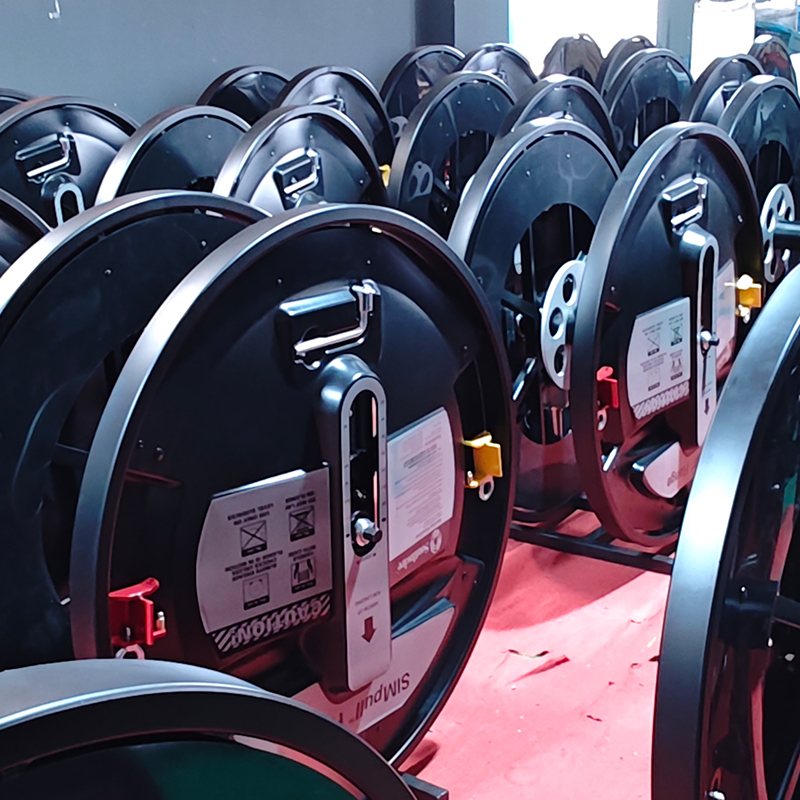
Cable grips are part of a larger system of Cable Pulling Accessories, which may include:
- Swivel joints (to prevent cable twisting)
- Pulling eyes
- Wire mesh socks
- Roller guides
- Lubrication systems
Each accessory influences stress distribution.
Common wear mechanisms:
- Mesh elongation under repeated tension cycles
- Localized wire fatigue at bend points
- Loss of friction efficiency on cable surface
- Structural memory deformation after heavy pulls
Even accessories that appear intact may lose load consistency after repeated use cycles.
5. Inspection Checklist Before Reuse
Before reusing a cable grip, professional technicians should conduct a structured inspection process:
Mechanical inspection points:
- Check mesh symmetry and alignment
- Verify loop integrity and weld condition
- Inspect for broken wire strands
- Confirm uniform diameter expansion under light load
Functional testing:
- Low-load tension test at 10–20% rated capacity
- Slip resistance verification
- Rotation behavior check with swivel connection
Surface condition:
- Remove grease, dirt, and oxide layers
- Inspect under bright lighting for micro-fractures
- Ensure no sharp deformation edges remain
Industry standards emphasize that visual inspection alone is not sufficient due to hidden fatigue damage inside the mesh structure.
6. Risk of Reuse Failure in Field Applications
Reusing a weakened cable grip can cause serious operational risks:
- Cable slippage during vertical pulling
- Sudden snapping under load
- Damage to expensive cable insulation
- Equipment shock loading on pulling machines
- Safety hazards for operators nearby
In some industrial incidents, failure occurs not at full load, but during dynamic movement when tension suddenly increases.
This is why strict reuse evaluation is critical in every project involving Cable Pulling Machine systems.
7. Engineering Recommendations From Our Company
Our company provides reusable-grade Cable Pulling Accessories designed with controlled fatigue resistance.
Engineering recommendations include:
- Limit reuse cycles based on load class (typically 3–10 cycles depending on application)
- Avoid reuse after any overload event
- Store grips in dry, corrosion-free environments
- Apply protective coating after cleaning
- Record usage history for each grip unit
Advanced designs may also include:
- Color-coded wear indicators
- Batch traceability marking
- Reinforced mesh zones for high-stress points
- Pre-calibrated load testing certification
These improvements help extend usable life while maintaining safety compliance.
8. Material Specifications Affecting Reuse Life
Material choice significantly impacts durability:
- Galvanized steel mesh: cost-efficient, moderate corrosion resistance
- Stainless steel mesh: higher corrosion resistance, longer lifecycle
- High-strength alloy wire: improved fatigue resistance under repeated pulls
Typical technical parameters:
- Wire diameter: 1.5 mm – 4.0 mm
- Mesh elongation tolerance: ≤5% under rated load
- Breaking strength range: 5 kN – 150 kN depending on model
- Operating temperature: -20°C to +80°C standard range
Higher-grade materials allow safer reuse cycles under controlled conditions.
9. Industry 4.0 and Smart Monitoring Trend
Modern cable installation systems are beginning to integrate digital monitoring:
- Load sensors attached to pulling machines
- Digital tension recording
- Automated overload alarms
- Predictive maintenance alerts for accessories
These systems help determine whether a cable grip remains within safe reuse conditions.
Our company is actively developing smart monitoring-compatible Cable Pulling Accessories to support future digital construction environments.

Bode specializes in high-quality, multifunctional metal shelving solutions. We manufacture durable metal shelves designed to optimize warehouse organization. We are committed to providing our customers with affordable, reliable products while supporting a cleaner and more sustainable environment.
Ready to work with us?

-
Tel
+86-13819988181
-
E-mail
sales@bodehardware.com
Product Links
Quick Links
Contact Us
Copyright © Jinhua Bode Hardware Technology Co., Ltd. All Rights Reserved.

China Garage Storage Racks