-
 +86-13819988181
-
 sales@bodehardware.com

 English
 English
 中文简体
中文简体 Español
What Cable Puller Capacity Do You Really Need
2026-05-08
Cable installation projects depend heavily on choosing the correct pulling force, yet many field failures come from underestimating system resistance rather than cable weight alone. A properly rated Cable Pulling Machine ensures smooth tension control, reduced cable damage, and safer operation on-site. Modern systems also rely on compatible Cable Pulling Accessories such as swivels, grips, and rollers, which directly affect the effective load the machine must overcome.
Capacity selection is not a guesswork process—it is a combination of engineering parameters, conduit conditions, and job complexity.
1. Understanding Cable Puller Capacity Basics
Cable puller capacity refers to the improved pulling force a machine can safely generate, typically measured in pounds (lbs) or kilonewtons (kN). Industrial machines commonly range from:
- Light duty: 1,000–3,000 lbs
- Medium duty: 3,000–6,000 lbs
- Heavy duty: 6,000–12,000+ lbs
For example, commercial tugger systems can reach 6,000–10,000 lbs continuous or intermittent capacity depending on duty cycle and motor design.
Key takeaway: real working load is always lower than improve rating due to friction, bends, and accessories.
2. Why Cable Capacity Is Not Just Cable Weight
A common mistake is calculating pull force based only on cable weight. In reality, three resistance sources dominate:
- Conduit friction (major factor)
- Direction changes (90° bends)
- Cable stiffness and bundle size
Industry guidance shows a cable pulling system must overcome both gravity and friction forces, and every component in the system must match or exceed the puller’s rated force.
That means a 1,000 ft run with multiple bends may require a machine rated 2–3 times higher than the theoretical cable weight.
3. Choosing the Right Capacity Range
A practical selection method used by engineers:
• Short runs (under 100 ft, minimal bends)
- 1,500–3,000 lbs capacity
- Suitable for indoor wiring or small conduit jobs
• Medium installations (commercial buildings)
- 3,000–6,000 lbs capacity
- Common for HVAC, lighting, and data backbone systems
• Heavy industrial or underground pulls
- 6,000–10,000+ lbs capacity
- Used for large feeder cables and long-distance conduit systems
Some advanced pulling systems offer up to 10,000 lbs peak capacity with multi-speed control, allowing better force adaptation during complex pulls.
4. Role of Cable Pulling Accessories in Capacity Demand
Even a high-capacity machine can underperform without the correct support tools. Cable Pulling Accessories directly affect friction and stress distribution.
Important accessories include:
- Cable rollers (reduce conduit friction)
- Swivels (prevent cable twisting)
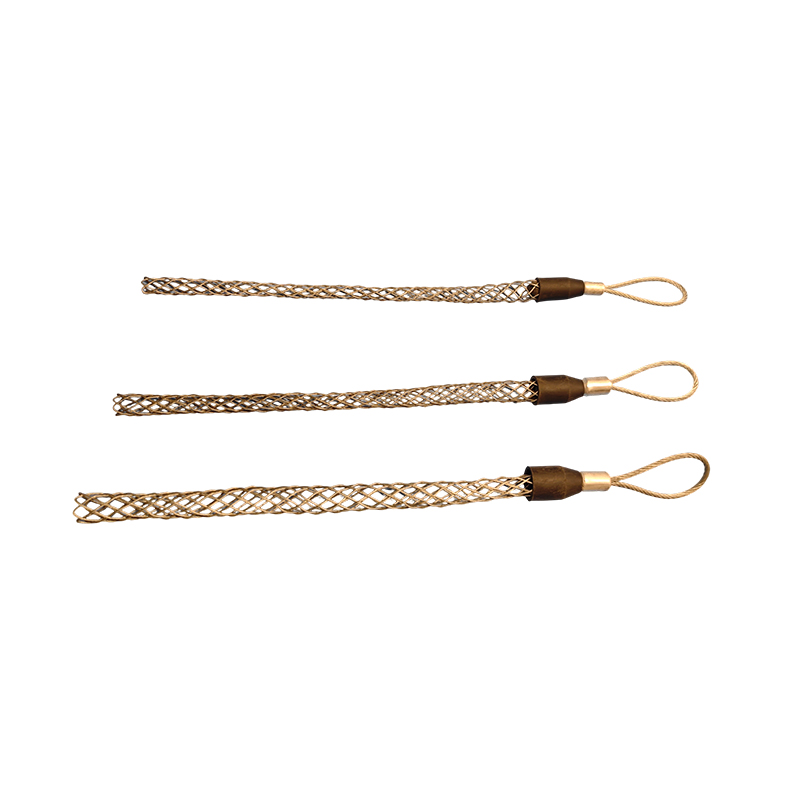
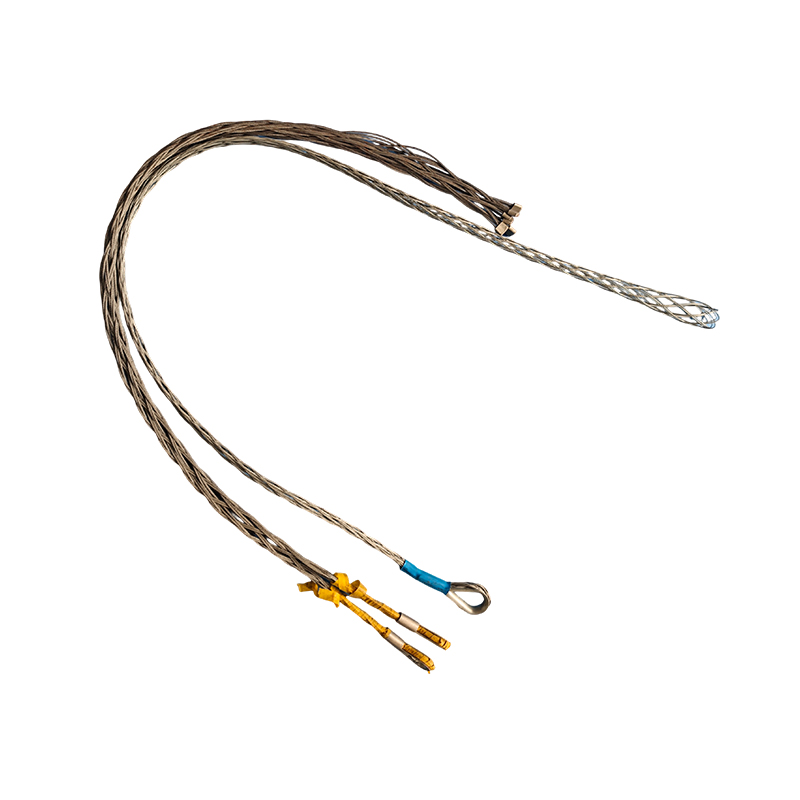
- Pulling grips (secure load transfer)
- Lubrication systems (reduce resistance)
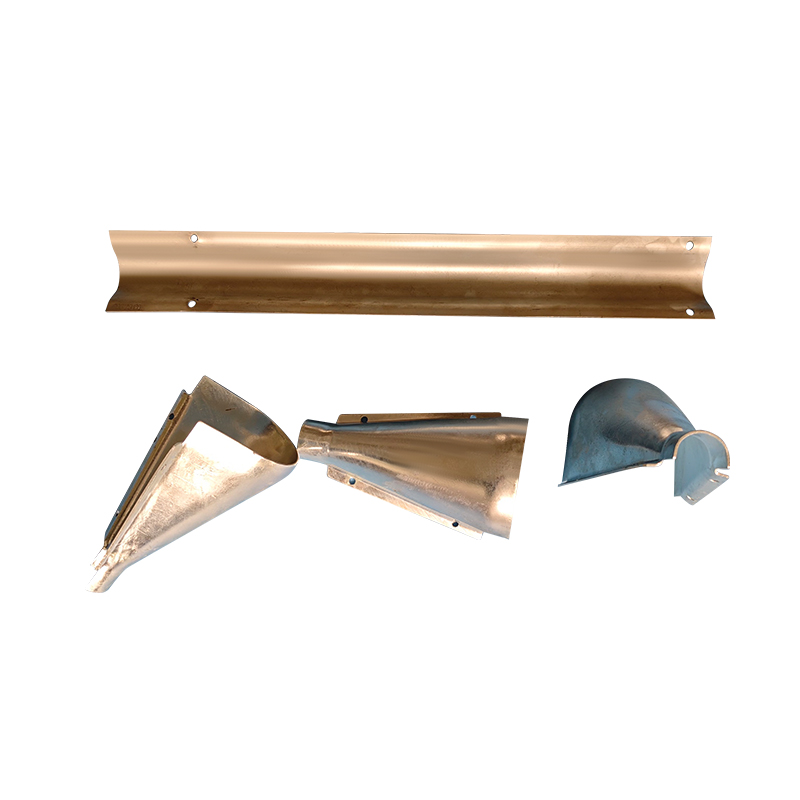
- Sheaves and guide pulleys (redirect force)
Poor accessory selection can increase pulling resistance by 20–60%, forcing operators to use a higher-rated machine unnecessarily.
Our company often recommends selecting accessories as part of the system design, not as optional add-ons.
5. Real-World Engineering Factors That Change Capacity Needs
• Conduit bends
Each 90° bend significantly increases resistance. Two or more bends often double the pulling force.
• Cable type
- Copper feeder cables require more force than fiber optic lines
- Multi-core bundles increase friction significantly
• Pull speed
Higher speed increases friction heat and resistance buildup
• Lubrication quality
Proper cable lubricant can reduce pulling force by up to 40% in long runs
6. Technical Machine Parameters That Matter
Beyond rated capacity, professional users should evaluate:
- Motor power (commonly 1.5–5.5 kW for mid-range units)
- Pulling speed range (typically 10–100 ft/min no-load)
- Duty cycle (continuous vs intermittent operation)
- Capstan diameter (affects rope tension efficiency)
- Control system (manual vs PLC-controlled)
A well-designed machine balances force and speed rather than improving only one parameter.
7. Industry 4.0 Integration in Cable Pulling Systems
Modern installations are increasingly adopting digital monitoring systems:
- Real-time tension monitoring
- Automatic overload shutdown
- Data logging for pull history
- Remote diagnostics
These features reduce cable damage and improve repeatability across multiple projects.
8. Common Capacity Misjudgments in the Field
Many installation failures happen due to:
- Choosing machine capacity equal to cable weight only
- Ignoring friction multipliers
- Underestimating bend impact
- Using undersized pulling accessories
- Skipping lubrication steps
Engineering practice shows safe capacity selection should include a 30–50% safety margin above calculated force requirements.
9. How Our Company Supports Correct Capacity Selection
Our company provides complete cable pulling solutions, including machines and accessories engineered for industrial and construction environments. We focus on system compatibility so that pulling force, accessory rating, and operational safety remain balanced.
We assist customers in selecting:
- Appropriate Cable Pulling Machine capacity
- Matching Cable Pulling Accessories set
- Job-specific pulling configurations
Determining the correct cable puller capacity is not a single-number decision. It requires understanding conduit conditions, cable type, system friction, and accessory performance. A properly sized system ensures smoother pulls, lower equipment stress, and higher installation safety.
Correct engineering selection always outperforms oversized guessing—especially in complex industrial cable routing projects where efficiency and reliability define project success.

Bode specializes in high-quality, multifunctional metal shelving solutions. We manufacture durable metal shelves designed to optimize warehouse organization. We are committed to providing our customers with affordable, reliable products while supporting a cleaner and more sustainable environment.
Ready to work with us?

-
Tel
+86-13819988181
-
E-mail
sales@bodehardware.com
Product Links
Quick Links
Contact Us
Copyright © Jinhua Bode Hardware Technology Co., Ltd. All Rights Reserved.

China Garage Storage Racks