-
 +86-13819988181
-
 sales@bodehardware.com

 English
 English
 中文简体
中文简体 Español
Should Small Garages Use Wall-Mounted Shelving Units
2026-05-01
People find their garage space shrinking fast as tools, equipment, and household storage bins accumulate. The traditional option has long been garage storage racks, but when floor space is limited, homeowners and DIYers are increasingly considering metal shelving solutions that mount directly to walls. Before committing to any installation, it’s important to look at what users are really asking online — about space usage, load capacity, safety, accessibility, and long-term use cases.
Why Floor Space Is the Initial Priority
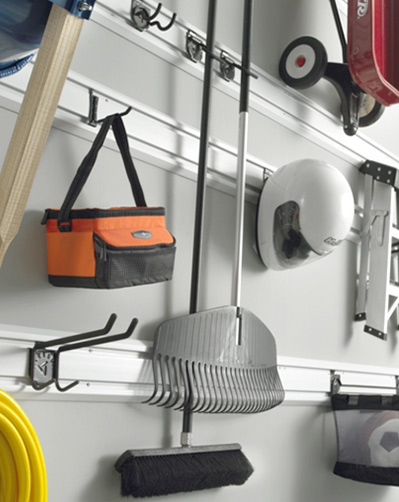
In a small garage, every inch of floor space matters. Deep, freestanding storage racks can crowd walkways, block parked cars, or create awkward access zones where items get lost at the back of shelves. In contrast, wall-mounted shelving pulls storage upward, leaving the ground plane clear for movement and vehicle parking. Vertical storage is one of the most-cited advantages among homeowners tackling compact garages.
Users on Reddit and home improvement forums consistently talk about the frustration of bumping into protruding shelves or shuffling heavy boxes just to open car doors. Mounting well-designed shelving units higher on the wall — ideally within safe reach zones — turns previously unused space into functional storage.
Space Optimization and Accessibility
A key benefit of wall shelving is that it maximizes vertical space without compromising your maneuvering area. Unlike some garage racks that are deep and reduce floor clearance, wall units typically extend only as far as necessary from the wall. This leaves lanes for walking and parking while storing tools, seasonal gear, and bins up high. Users frequently note that this approach makes a small garage feel larger and easier to navigate.
Modern wall-mounted shelving systems allow for strategic placement based on how you use your garage. For example:
Place frequently used tools at eye-level or shoulder height.
Reserve high shelves for seasonal items that are accessed rarely.
Use lower shelves or hooks for sports equipment that needs quick access.
Many DIYers say that planning and marking stud locations before installation pays dividends in final stability — and they warn against relying solely on drywall anchors for heavy loads.
Load Capacity and Safety Considerations
A major concern for users debating wall shelving is load capacity — can these units really hold heavy tools, bins, and equipment without risking failure? Wall shelves can handle substantial weight when installed onto solid studs or masonry with appropriate anchor hardware. However, the actual load depends on bracket type, materials, and spacing. Standard advice is to aim for heavy-duty brackets rated at high load capacities and to verify weight limits before placement.
Too often, DIYers make the mistake of mounting shelving only to drywall or using inadequate fasteners. This creates false confidence in shallow or shallow bracket systems, which may ultimately sag or fail under concentrated loads. Forum users frequently stress the importance of sturdy anchors, correct fastener choice, and spreading heavier items across multiple shelves instead of concentrating weight in one area.
Design Flexibility for Small Garages
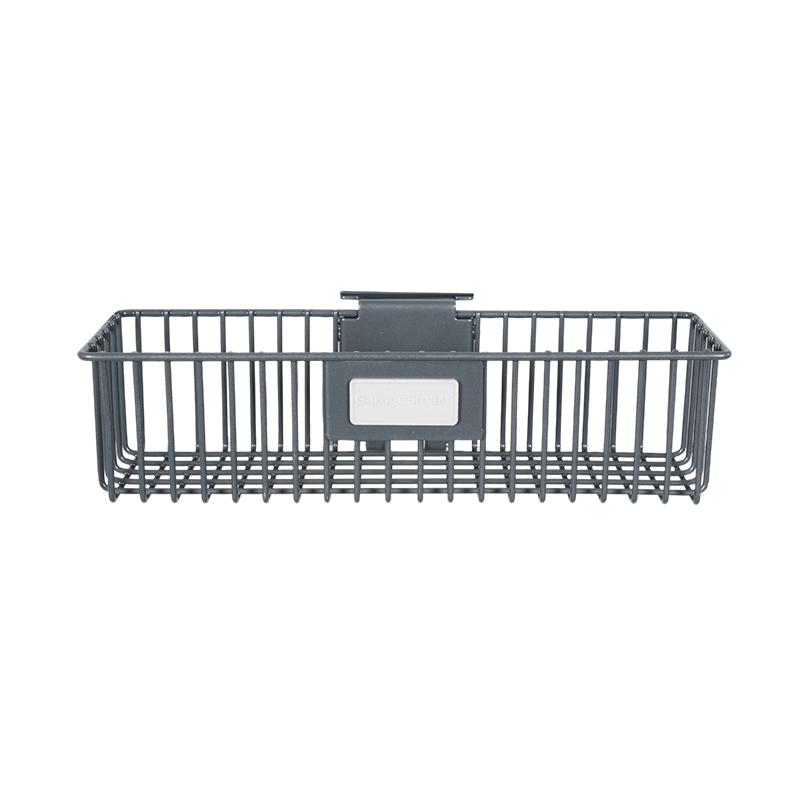
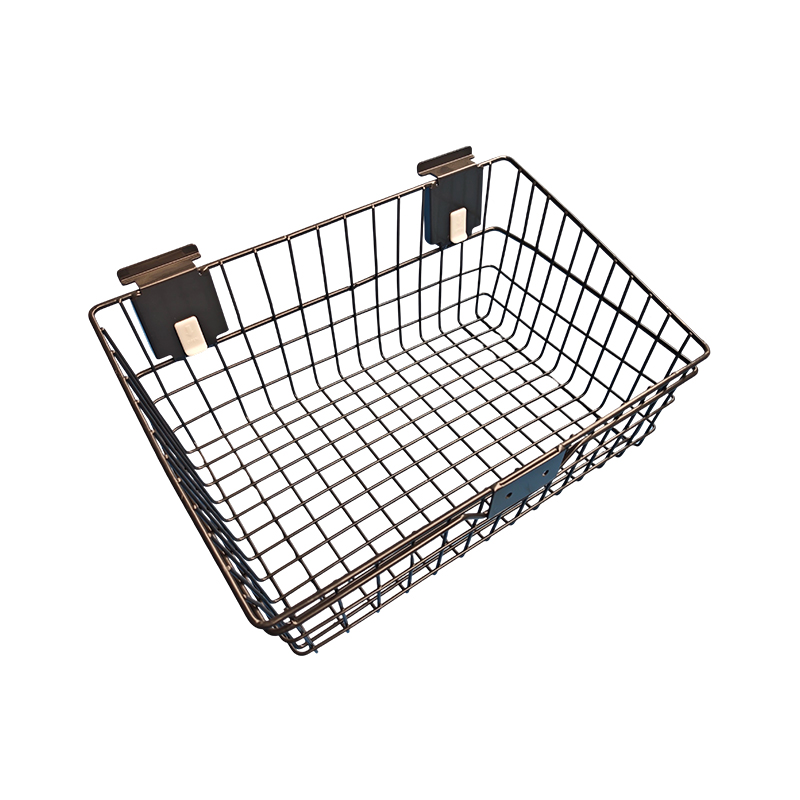
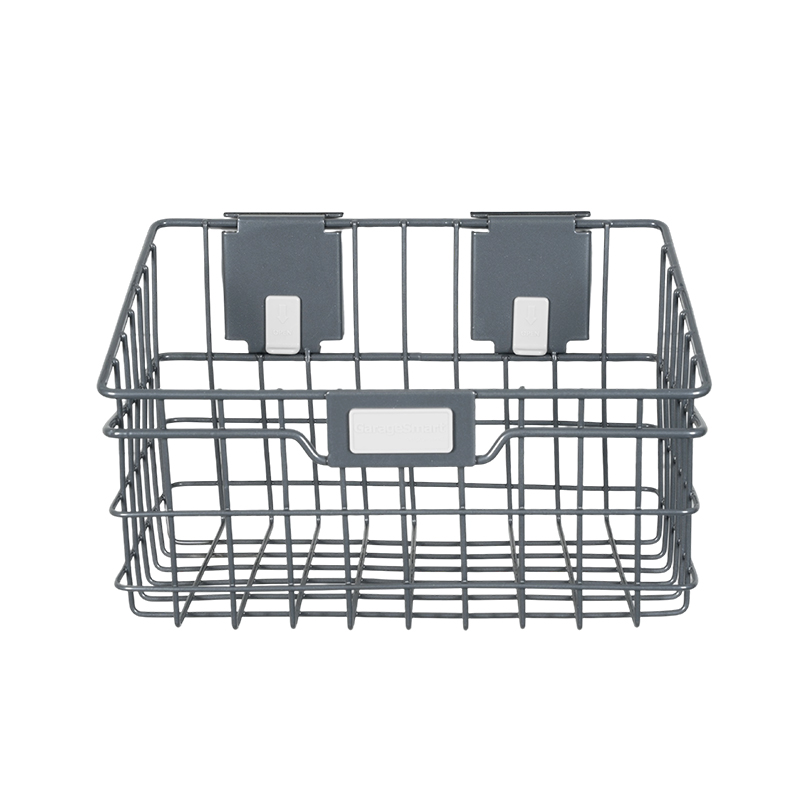
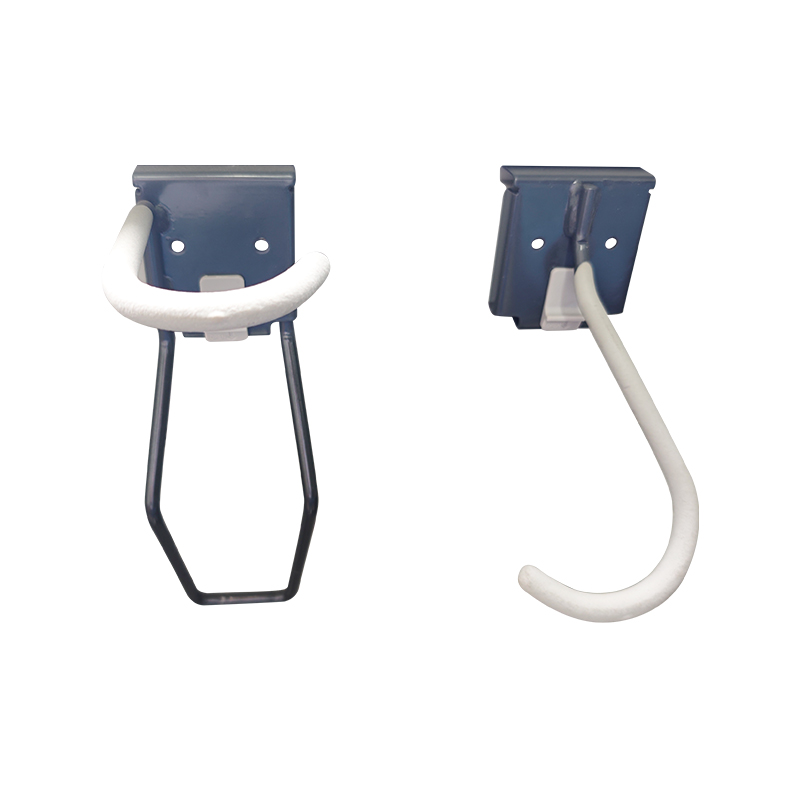
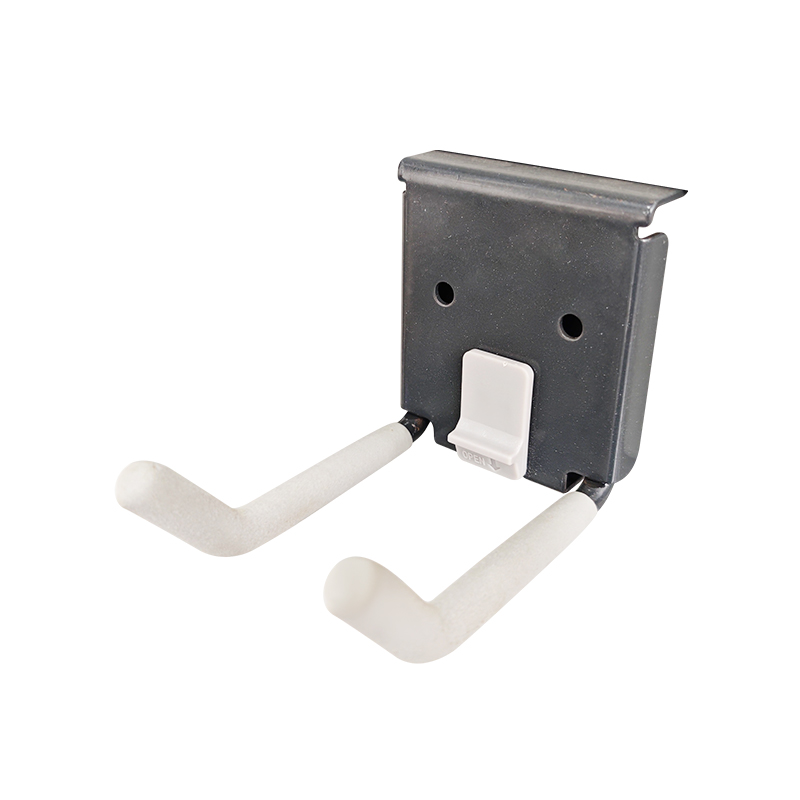
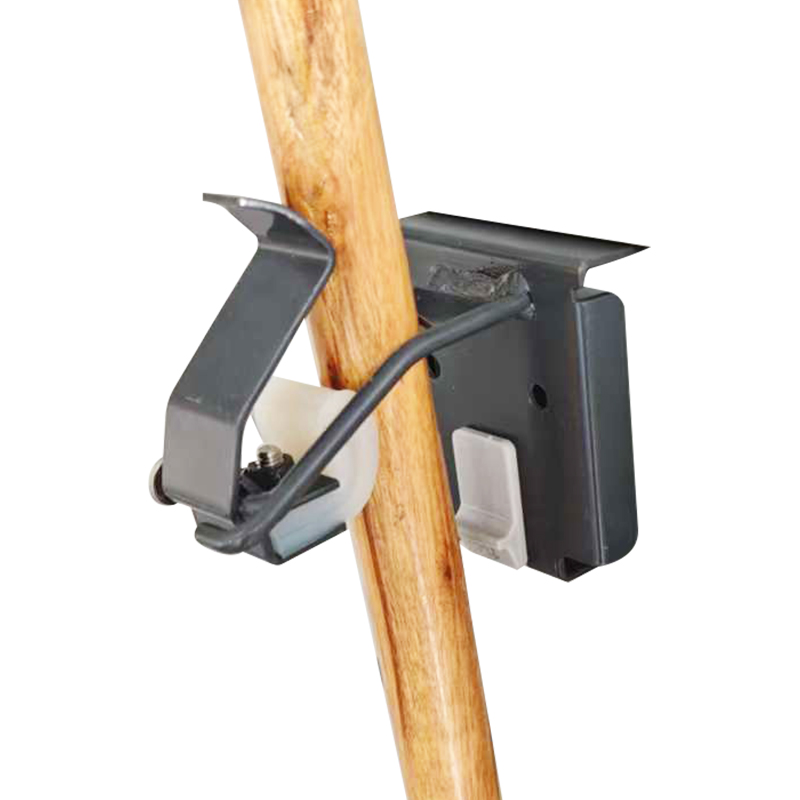
Wall-mounted shelving systems come in many configurations — from simple floating shelves supported by metal brackets to integrated rail systems with hooks, bins, and adjustable components. This design flexibility appeals to users with varying storage needs:
Shallow shelves for small bins and light tools.
Deep shelves positioned judiciously where space allows.
Hybrid layouts combining wall mounts with a small run of floor-standing racks for bulky items.
Many homeowners find a hybrid approach works best: a wall-mounted system for frequently accessed equipment and lighter items, plus one or two short floor racks for heavy boxes or bulk storage.
Maintenance and Durability in Small Spaces
In a garage environment — which often experiences dust, temperature swings, and humidity — material choice plays a role in long-term durability. Metal shelving solutions with powder-coated or galvanized finishes resist corrosion better than untreated steel or wood shelving. Routine care, such as occasional wiping down and checking hardware tightness, keeps metal wall shelves performing well for years.
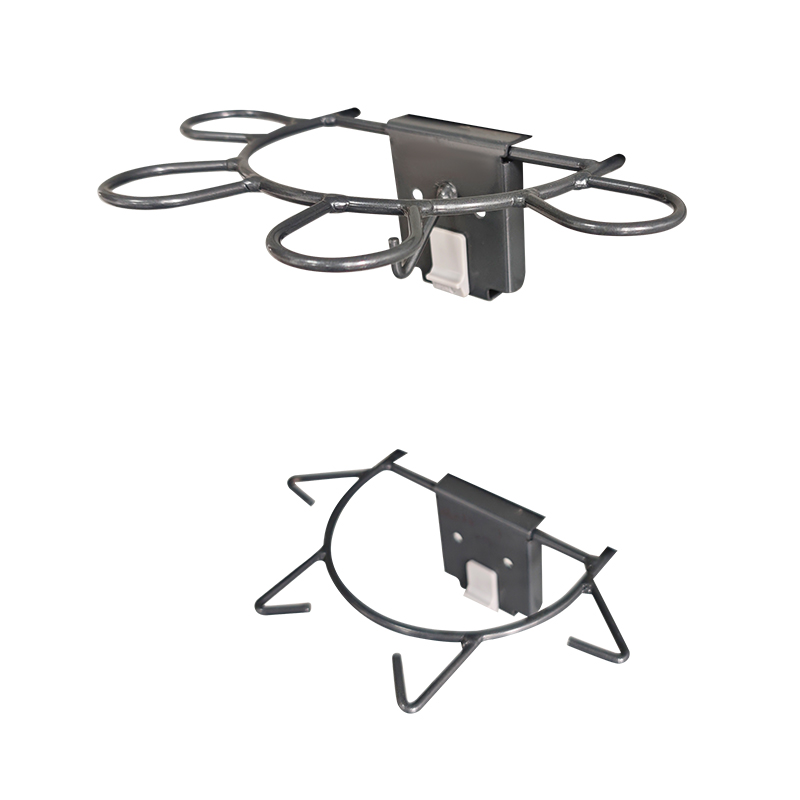
At Jinhua Bode Hardware Technology Co., Ltd., we offer wall-mount-compatible shelving systems designed to balance strength and space efficiency. Our products use reinforced brackets and corrosion-resistant coatings to ensure stability and longevity even in garages with temperature fluctuations.
Common User Questions
Across community discussions and DIY forums, certain practical questions come up again and again:
How far should wall shelves extend from the wall?
Can wall shelving support heavy toolboxes?
Is it safe to install shelves above parked vehicles?
Answers consistently recommend careful load planning, proper stud anchoring, and thoughtful placement relative to work zones and vehicles. Wall shelving can be safe and reliable — but only when supported by strong hardware and installed with precision.

Bode specializes in high-quality, multifunctional metal shelving solutions. We manufacture durable metal shelves designed to optimize warehouse organization. We are committed to providing our customers with affordable, reliable products while supporting a cleaner and more sustainable environment.
Ready to work with us?

-
Tel
+86-13819988181
-
E-mail
sales@bodehardware.com
Product Links
Quick Links
Contact Us
Copyright © Jinhua Bode Hardware Technology Co., Ltd. All Rights Reserved.

China Garage Storage Racks