-
 +86-13819988181
-
 sales@bodehardware.com

 English
 English
 中文简体
中文简体 Español
Cable Grips & Accessories for Heavy Wires & Cables
2025-12-26
Installing heavy cables requires careful planning, the Correct accessories, and proper techniques. Using cable grips, pulling socks, rollers, and metal support systems ensures that Electrical Wires & Cables remain undamaged, well-supported, and efficiently installed, even in demanding environments. Jinhua Bode Hardware Technology Co., Ltd. provides durable Cable Pulling Accessories that help organize and support heavy cables throughout the installation process
1. Challenges of Installing Heavy Cables
Heavy Electrical Wires & Cables present unique challenges that differ from standard installations:
Increased pulling tension: Thick cables require significant force, which can overstress conductors if not properly managed.
Reduced flexibility: Heavier cables are harder to bend, making sharp turns or tight spaces difficult.
Manual handling difficulty: Large cables are cumbersome to handle, increasing labor fatigue and potential strain injuries.
Potential for insulation damage: Excessive force, bending, or abrasion can compromise cable integrity.
Identifying these challenges early helps in planning an effective installation strategy.
2. Selecting Appropriate Cable Grips and Pulling Accessories
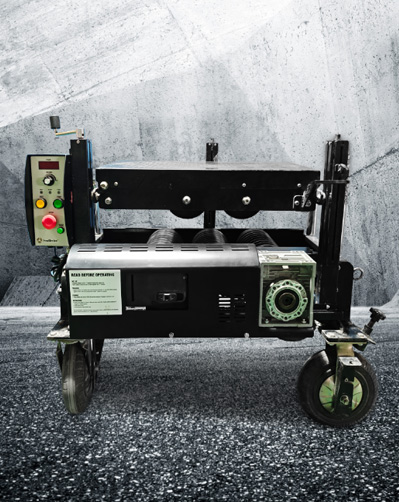
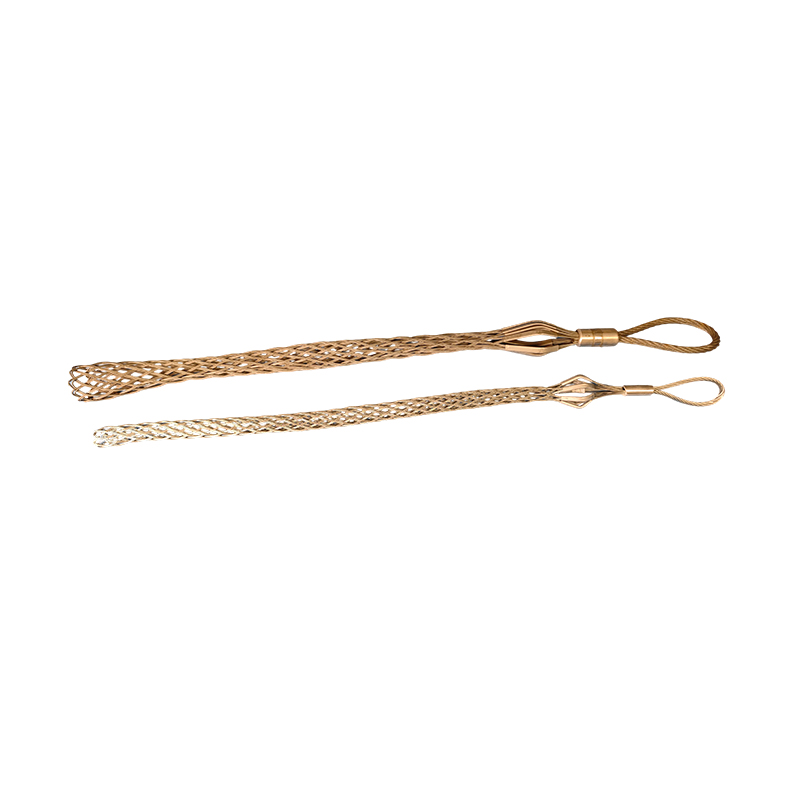
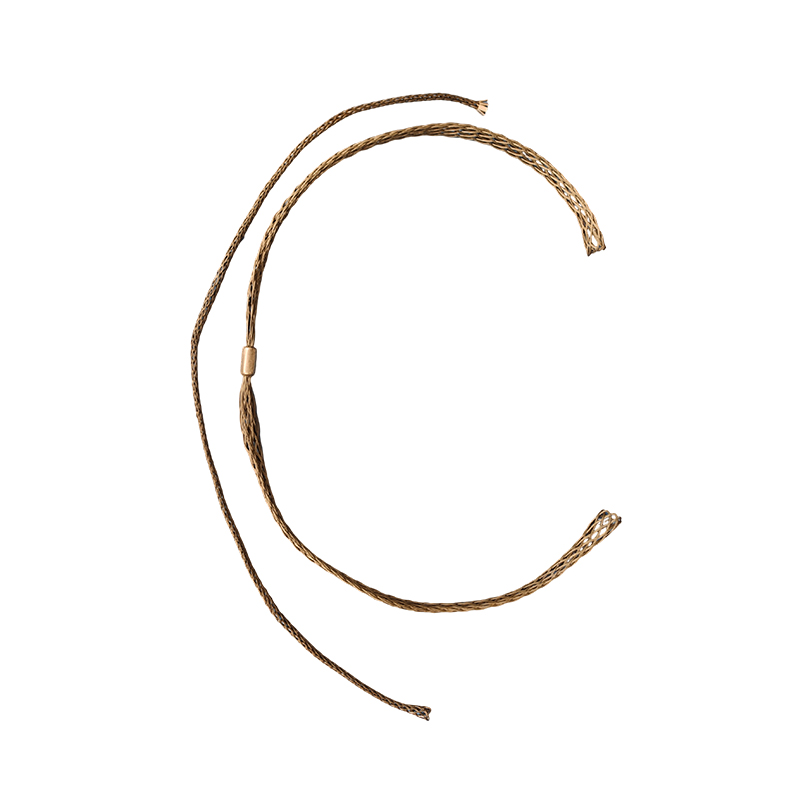
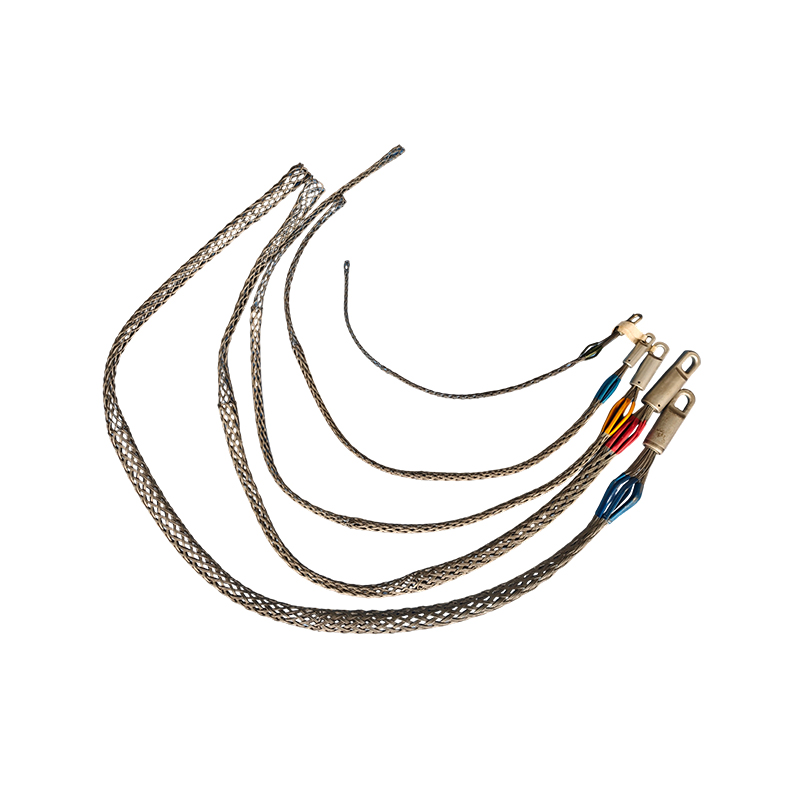
The correct Cable Pulling Accessories are critical for heavy cable handling:
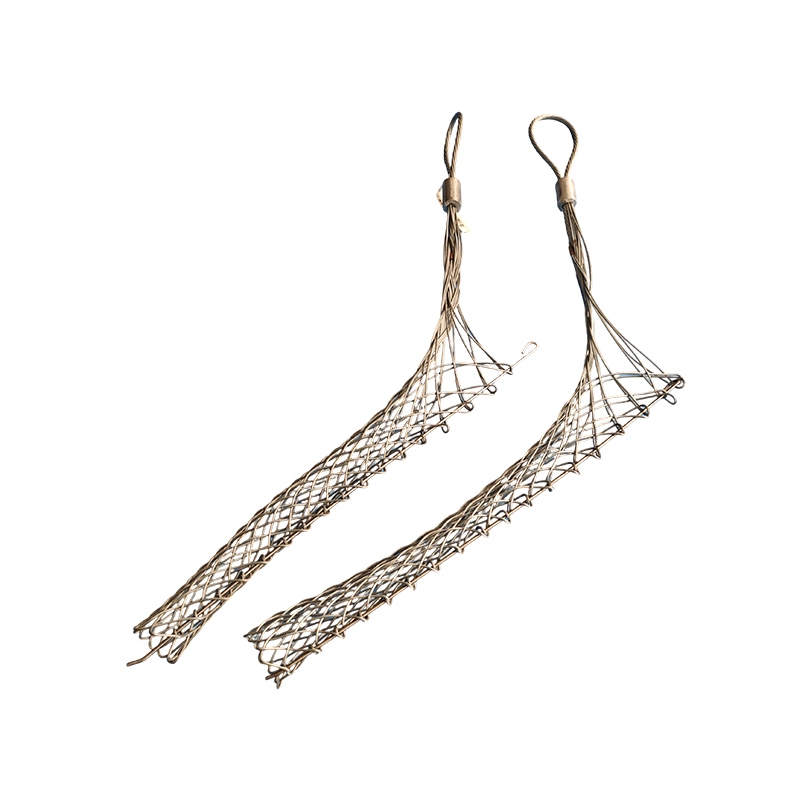
Heavy-duty cable grips and pulling socks: Provide secure attachment without crushing or deforming the cable.
Industrial rollers and pulleys: Reduce friction and prevent sharp bends from damaging the cable jacket.
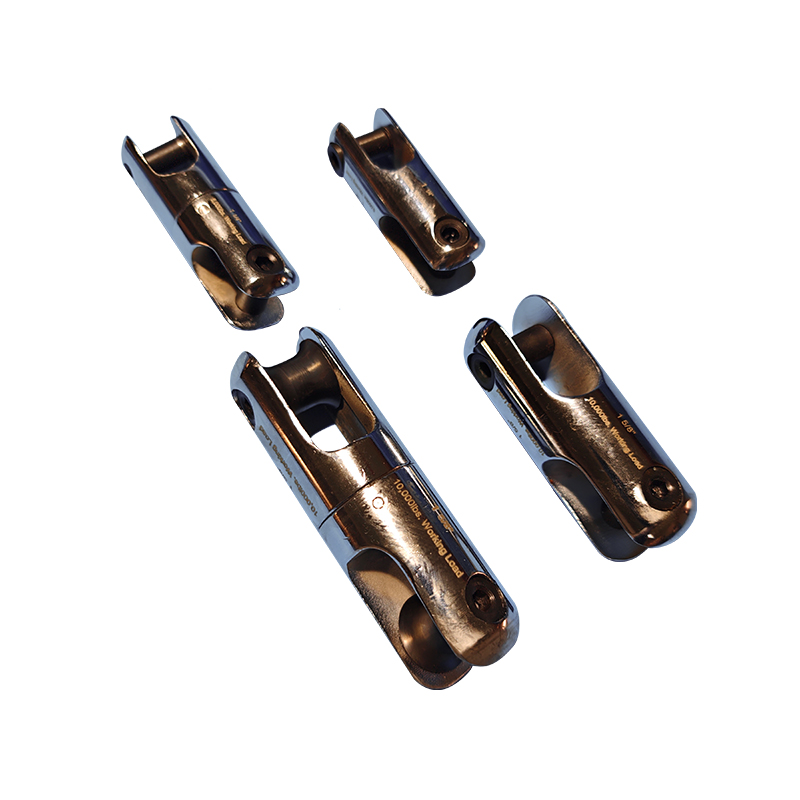
Swivel hooks and tension meters: Allow controlled pulling and prevent twisting.
Lubricants and guides: Essential for long or complex conduit runs to minimize friction and stress.
Using the Correct combination of these accessories ensures Electrical Wires & Cables are pulled safely and efficiently.
3. Proper Pulling Techniques for Heavy Cables
Even with the Correct accessories, technique plays a critical role in avoiding damage:
Mechanical assistance: Utilize cable winches or pulling machines to reduce manual strain.
Team coordination: For long runs, multiple personnel should maintain steady tension and communication.
Controlled speed: Avoid jerks or sudden stops that can overstretch or kink the cable.
Proper bending radius: Always adhere to the manufacturer’s recommended bending radius.
Lubrication: Apply cable lubricant when pulling through conduits to reduce friction and wear.
These techniques, combined with the Correct accessories, significantly reduce the risk of cable damage during installation.
4. Supporting and Organizing Heavy Cables
After installation, supporting heavy cables is essential to prevent sagging, strain, or long-term deterioration:
Install metal racks or cable trays to support the cable weight along its path.
Use clamps and brackets at regular intervals to secure cables in place.
Space multiple cables appropriately to prevent heat buildup and abrasion between cables.
Label and organize cables by type, voltage, or destination for easier maintenance.
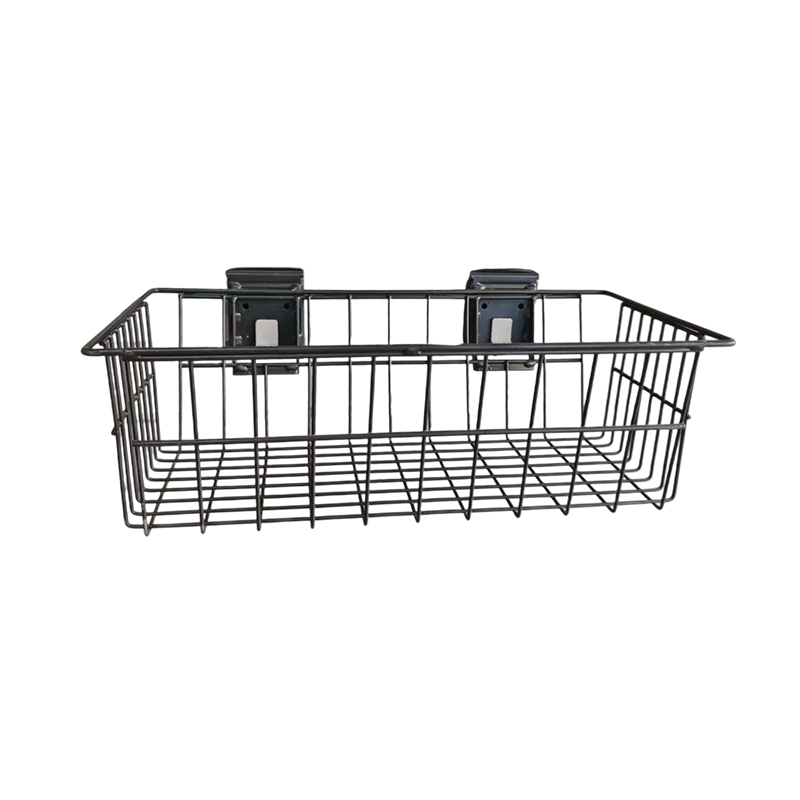
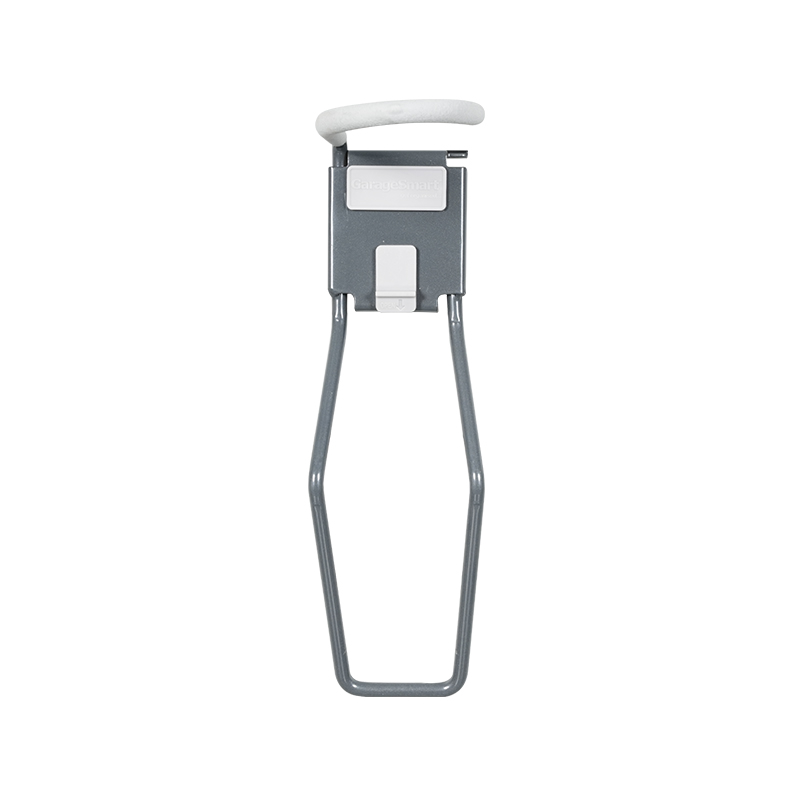
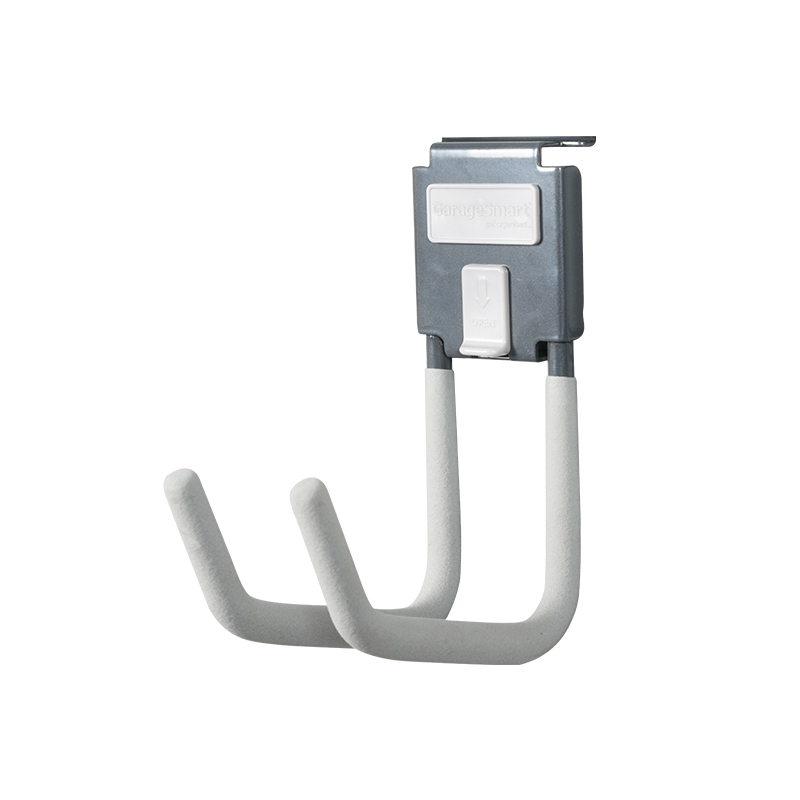
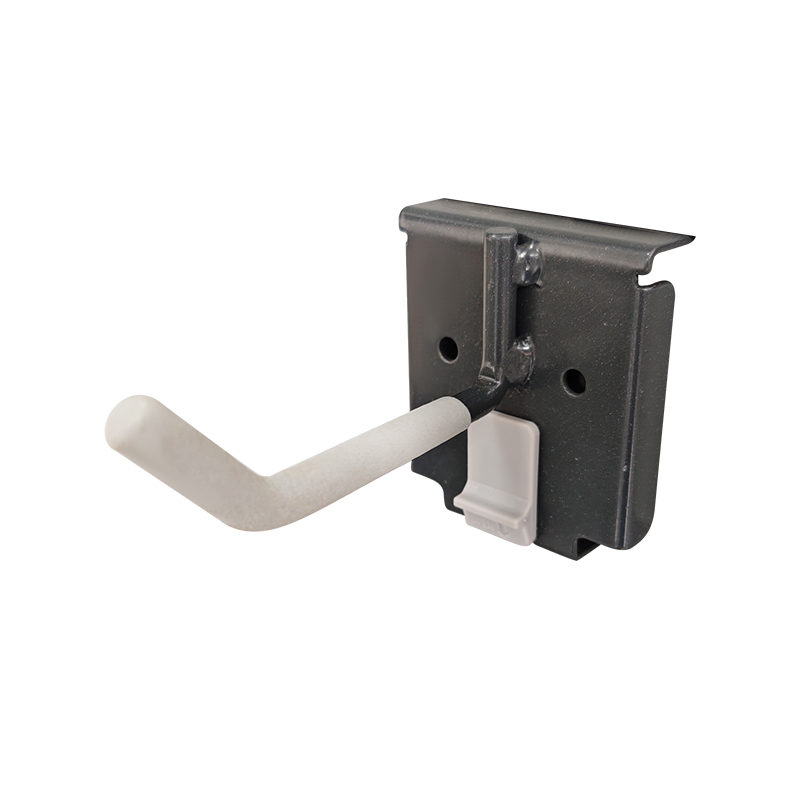
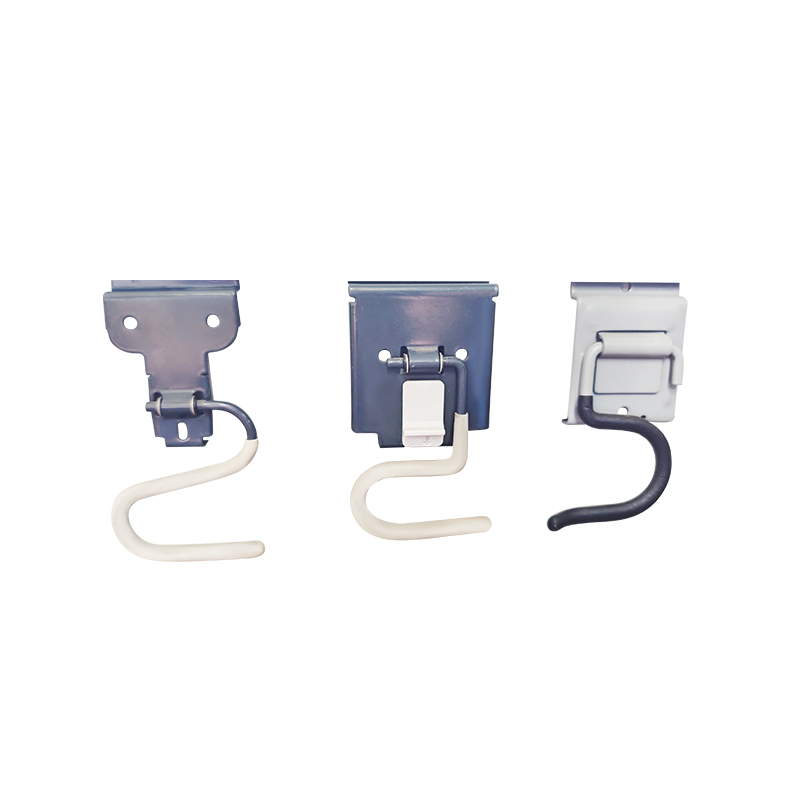
Jinhua Bode Hardware Technology Co., Ltd. offers a variety of robust racks and shelving systems that make supporting heavy cables easier, safer, and more organized.
5. Safety Considerations
Heavy Electrical Wires & Cables pose additional safety risks compared to standard cables:
Always wear personal protective equipment (PPE) such as gloves, safety glasses, and steel-toe boots.
Ensure pulling equipment is rated for the cable weight.
Avoid standing in the line of tensioned cables to reduce injury risk in case of sudden slippage.
Train personnel on proper handling, pulling, and lifting techniques.
Implementing these safety measures is critical to protect both personnel and cables during installation.
6. Maintenance and Long-Term Reliability
Proper support and handling of heavy cables improve long-term reliability:
Inspect racks, trays, and supports periodically for wear or deformation.
Check cable clamps and grips for loosening over time.
Ensure cables remain free from kinks, rubbing, or pressure points.
Document installation for future troubleshooting or maintenance.
Using high-quality Cable Pulling Accessories combined with durable metal racks and shelving ensures that heavy Electrical Wires & Cables remain safe, supported, and functional over time.

Bode specializes in high-quality, multifunctional metal shelving solutions. We manufacture durable metal shelves designed to optimize warehouse organization. We are committed to providing our customers with affordable, reliable products while supporting a cleaner and more sustainable environment.
Ready to work with us?

-
Tel
+86-13819988181
-
E-mail
sales@bodehardware.com
Product Links
Quick Links
Contact Us
Copyright © Jinhua Bode Hardware Technology Co., Ltd. All Rights Reserved.

China Garage Storage Racks