-
 +86-13819988181
-
 sales@bodehardware.com

 English
 English
 中文简体
 Español
Can Better Pulling Line Connections Make Cable Installation More Predictable?
2026-11-27
Jinhua Bode Hardware Technology Co., Ltd.
During cable installation, the pulling line does more than transfer force from a winch to the cable. Every connection along the pulling system must handle the expected load while allowing the operation to proceed smoothly. A weak connection, unsuitable connector, or poorly matched pulling component can interrupt work and create unnecessary risks. For contractors and equipment buyers evaluating Cable Pulling Accessories, understanding how these components work together is just as important as checking their individual specifications.
Why Do Pulling Line Connections Matter?
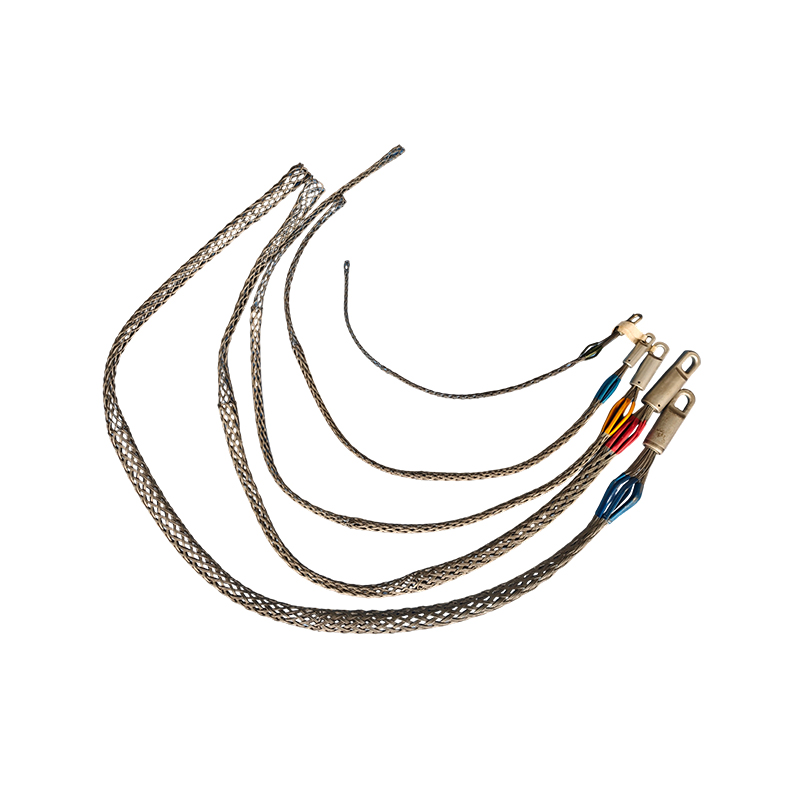
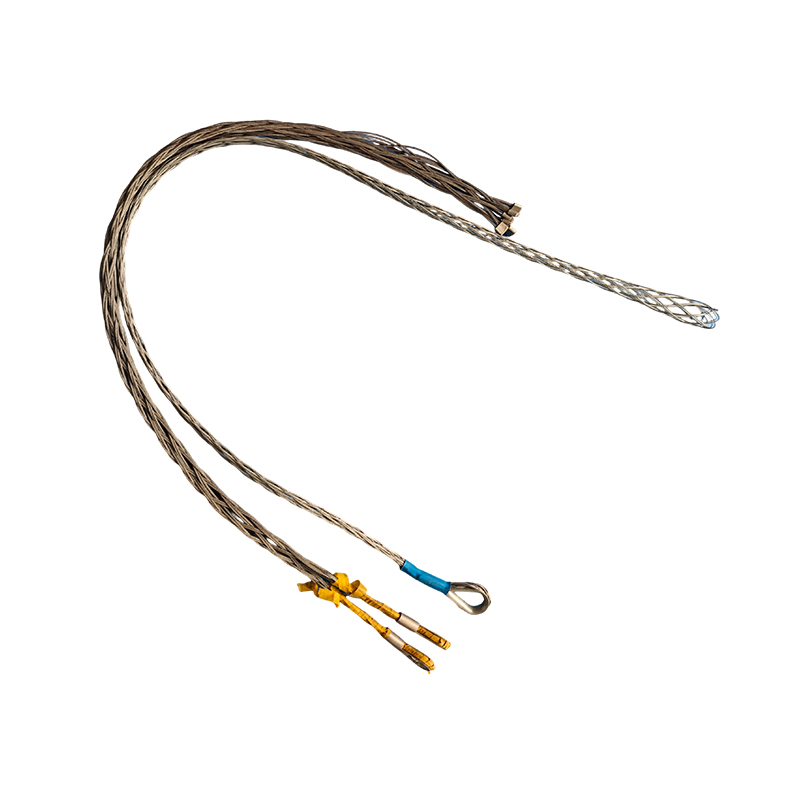
A cable pulling operation often involves several connected components, including the pulling rope, swivel, cable pulling grip, connecting links, and winch. Each component has a specific role, but the entire system depends on their compatibility.
If one connection is unsuitable for the application, it may become a weak point in the pulling setup. For example, a connector that cannot handle the expected pulling load may deform or fail during operation. A connection that does not fit properly can also make installation and removal more difficult.
Buyers should therefore evaluate the complete connection arrangement rather than selecting accessories independently.
How Should Buyers Evaluate Pulling Rope and Connectors?
The pulling rope and its connectors need to be considered as a working combination. Rope material, diameter, length, and rated capacity should correspond to the pulling requirements. The connector must also be compatible with the rope structure and the accessories attached to it.
Before purchasing, contractors should review several points:
- Whether the rope capacity is suitable for the expected pulling load
- Whether connector dimensions match the rope and other components
- Whether the connection can be assembled and inspected conveniently
- Whether the materials are appropriate for the working environment
A component's appearance alone cannot confirm its suitability. Technical specifications and application requirements should guide the selection.
What Role Does a Swivel Play in Cable Pulling?
A swivel is used in certain pulling arrangements to allow relative rotation between connected components. This can help reduce the transfer of unwanted twisting forces through the pulling line.
During installation, pulling ropes may develop torsion because of their construction, cable movement, or changes in the pulling direction. If twisting accumulates, it can affect handling and place additional stress on connections.
However, a swivel should not be treated as a universal solution to every pulling problem. Its size, load rating, connection type, and operating conditions must match the rest of the system. Buyers should also confirm whether the selected model is designed for the intended pulling application.
How Can Winch Capacity Affect Accessory Selection?
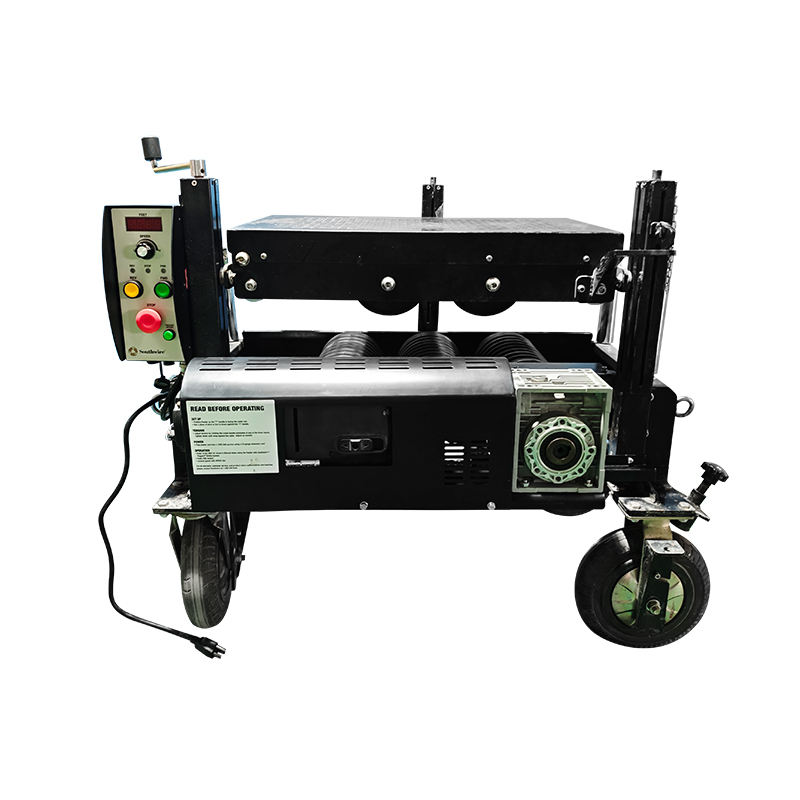
The pulling system should be evaluated according to the expected operating load, not simply the figure shown on one piece of equipment. Rope, grips, swivels, and connecting components all need appropriate load ratings.
Contractors should also consider how pulling resistance may change along the route. Bends, surface conditions, cable weight, and installation length can influence the force required. Where necessary, suitable tension-monitoring equipment and an established pulling procedure can help operators manage the process.
Why Is Component Inspection Important Before Installation?
Even correctly selected accessories require inspection before use. Wear, corrosion, deformation, damaged rope sections, and loose connections can affect performance.
A practical pre-installation inspection should include:
- Checking rope surfaces and connection points for visible damage
- Examining swivels and connecting links for deformation or restricted movement
- Confirming that locking mechanisms are properly secured
- Verifying that identification and load-rating information remain readable
Any component showing signs of damage or uncertainty should be assessed before being returned to service. Regular inspection also helps maintenance teams identify replacement needs before they interrupt a project.
What Should Contractors Ask Suppliers Before Ordering?
For overseas buyers, supplier communication is an important part of accessory selection. Product dimensions and load ratings are essential, but they may not answer every application question.
Buyers can provide details about cable type, installation method, pulling equipment, expected load, and site conditions. With this information, suppliers can better understand the intended application and help identify compatible components.
It is also useful to confirm available specifications, material options, connection dimensions, packaging arrangements, and replacement-part support. Clear technical communication can reduce the risk of ordering accessories that do not fit the existing pulling system.
Building a More Reliable Cable Pulling Setup
Reliable cable installation depends on more than the strength of an individual accessory. Pulling ropes, swivels, grips, connectors, and winches must work together within the limits of the application. Proper selection, compatible connections, and routine inspection all contribute to a more controlled installation process.
For contractors and distributors sourcing Cable Pulling Accessories, evaluating the complete pulling system can advance to better purchasing decisions and fewer compatibility problems on site. Working with a supplier that can provide clear product specifications and application-related support also makes it easier to select accessories suited to different cable installation requirements.

Bode specializes in high-quality, multifunctional metal shelving solutions. We manufacture durable metal shelves designed to optimize warehouse organization. We are committed to providing our customers with affordable, reliable products while supporting a cleaner and more sustainable environment.
Ready to work with us?

-
Tel
+86-13819988181
-
E-mail
sales@bodehardware.com
Product Links
Quick Links
Contact Us
Copyright © Jinhua Bode Hardware Technology Co., Ltd. All Rights Reserved.

China Garage Storage Racks