-
 +86-13819988181
-
 sales@bodehardware.com

 English
 English
 中文简体
 Español
When Should Contractors Use Specialized Tools for Underground Cable Installation?
2026-11-20
Jinhua Bode Hardware Technology Co., Ltd.
Underground cable installation often involves more than moving a cable from one point to another. Contractors may need to guide conductors through long conduits, navigate multiple bends, pass through narrow duct openings, and work around existing underground infrastructure. These conditions can make manual cable handling difficult and increase the risk of installation delays. For electrical contractors and infrastructure equipment buyers, selecting appropriate Cable Pulling Accessories is essential for preparing a suitable installation process. Understanding when to use cable rods, duct guides, pulling grips, and other specialized tools helps teams handle different routing challenges more effectively.
Why Do Underground Cable Routes Require Special Attention?
Unlike open cable tray installations, underground duct systems often provide limited visibility and access. Before pulling begins, contractors may not have a clear view of the entire internal route.
Existing bends, duct contamination, damaged sections, and changes in conduit diameter can create unexpected resistance. If these issues are not identified early, the pulling operation may become difficult or require additional preparation.
A practical approach is to inspect accessible duct sections, verify the route drawings, and confirm that the conduit is suitable for the intended cable. This preliminary work helps determine which installation tools are necessary.
Cable Rods Help Prepare Long Conduit Routes
Cable rods, also known as duct rods or cable push rods, are commonly used to guide pulling lines through conduits before the actual cable installation begins.
Their flexibility allows them to navigate suitable bends while maintaining enough stiffness for controlled insertion. Once the rod reaches the intended exit point, a pulling rope can be attached and drawn back through the duct.
When selecting cable rods, buyers should consider:
- Rod diameter and overall length.
- Flexibility and stiffness for the intended conduit.
- Surface finish and resistance to wear.
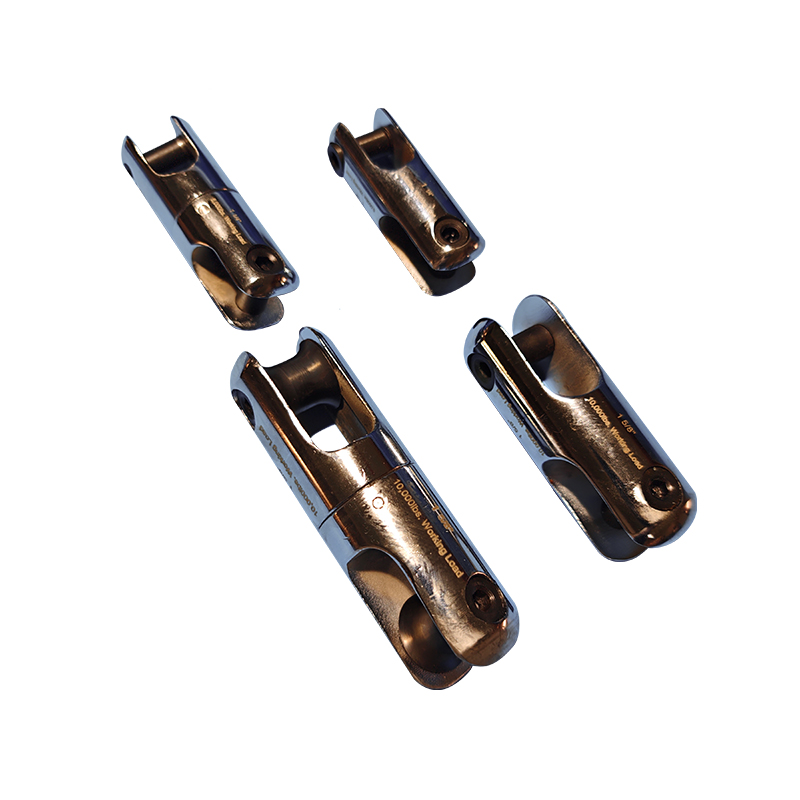
- Connection fittings and interchangeable accessories.
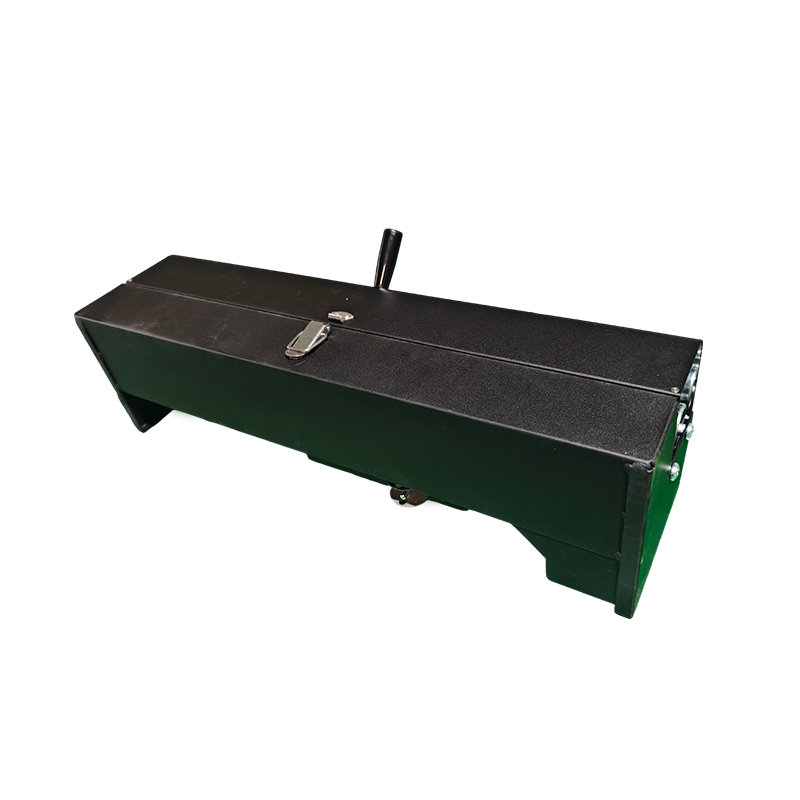
- Compatibility with available storage frames or dispensing systems.
The correct configuration depends on duct dimensions, route complexity, and the pulling method used on site.
How Do Duct Guides Improve Cable Entry?
Cable entry points can create unnecessary friction when conductors are pulled through narrow openings or conduit ends. Sharp edges and poorly aligned connections may also damage cable jackets.
Duct guides and bell-mouth entries help direct the cable into the conduit while providing a smoother transition between the working area and the duct opening.
For installation contractors, the important considerations include opening dimensions, cable diameter, mounting arrangement, and compatibility with the conduit system.
Using suitable entry guides is particularly helpful when working with larger cables or installations where the entry position is difficult to access.
Choosing Pulling Grips for Different Cable Types
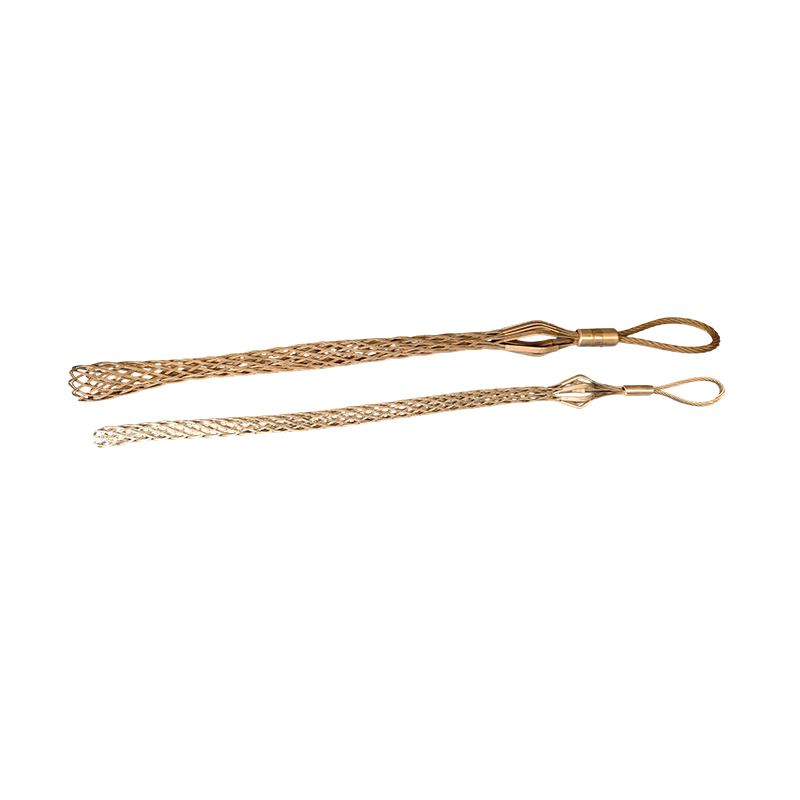
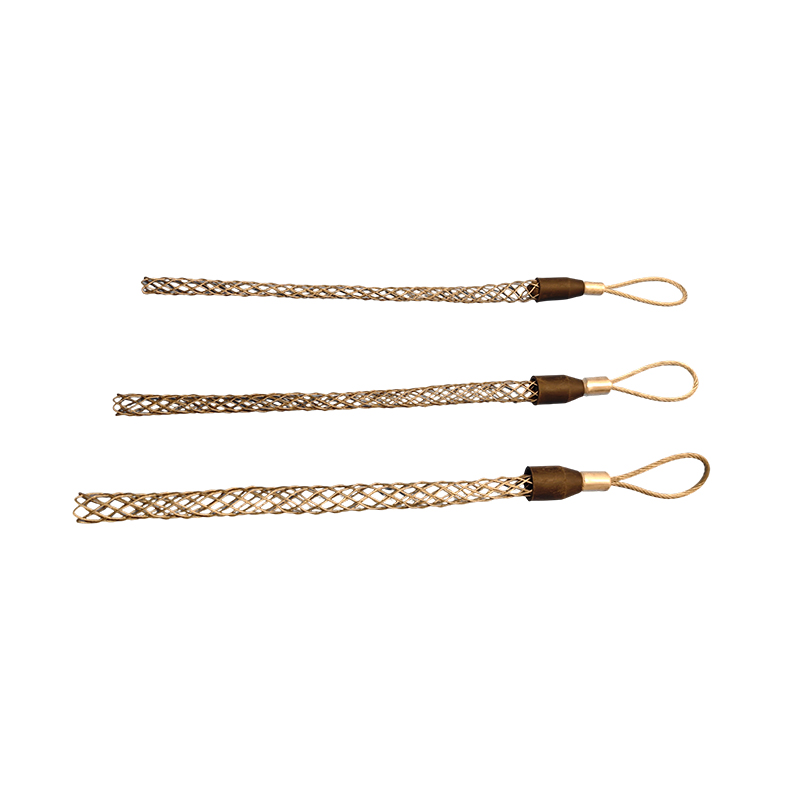
Once the pulling rope has been positioned, a suitable cable pulling grip can connect the cable to the pulling system.
Mesh pulling grips are commonly used to distribute gripping contact along a section of cable. However, the grip must match the cable's outer diameter and construction.
A grip that is too large may not provide suitable engagement, while an unsuitable configuration may place unnecessary stress on the cable jacket.
Before purchasing, contractors should verify the manufacturer's recommended diameter range, grip length, connection arrangement, and application limitations. The pulling method should also comply with the cable manufacturer's installation requirements.
Managing Difficult Bends and Restricted Access
Underground cable routes frequently include directional changes around buildings, roads, and existing utility infrastructure. These locations require careful planning because cable movement becomes more demanding when the route changes direction.
Cable rollers, corner rollers, and suitable guide accessories can help control the cable path and reduce direct contact with surrounding surfaces.
Engineers should pay particular attention to:
- The less bending radius specified for the cable.
- The number and position of directional changes.
- Available installation space around access points.
- Expected pulling tension and sidewall pressure.
- The placement of rollers and support equipment.
Increasing pulling force is not always an appropriate response to resistance. Contractors should identify the source of the problem before continuing the operation.
What Should Procurement Teams Include in Their Equipment Checklist?
For overseas distributors and infrastructure contractors, selecting individual tools without considering the complete installation process may advance to compatibility issues.
A practical purchasing checklist should include:
- Cable rod dimensions and compatible conduit sizes.
- Pulling grip specifications and cable diameter ranges.
- Guide and roller dimensions.
- Rope connection and accessory compatibility.
- Product materials, technical drawings, and operating instructions.
For larger projects, buyers should also consider whether the supplier can provide several related accessory types under consistent product specifications.
How Manufacturers Support Different Installation Requirements
From a manufacturer's perspective, cable installation accessories need to be developed around actual field conditions. Cable rods require an appropriate balance of flexibility and stiffness, while pulling grips need suitable mesh construction and connection strength for their intended applications.
Manufacturing quality also involves dimensional consistency, material inspection, component assembly, and functional checks. Providing clear technical documentation helps overseas customers compare different configurations and select products that match their installation requirements.
As underground power networks and infrastructure projects continue to require organized cable routing solutions, the demand for practical installation equipment remains important. Selecting suitable Cable Pulling Accessories helps contractors prepare conduit routes, guide cables through restricted sections, and coordinate different stages of installation. As a manufacturer, we focus on developing product options that address these practical requirements and support the sourcing needs of electrical contractors, distributors, and engineering equipment buyers.

Bode specializes in high-quality, multifunctional metal shelving solutions. We manufacture durable metal shelves designed to optimize warehouse organization. We are committed to providing our customers with affordable, reliable products while supporting a cleaner and more sustainable environment.

Ready to work with us?

-
Tel
+86-13819988181
-
E-mail
sales@bodehardware.com
Product Links
Quick Links
Contact Us
Copyright © Jinhua Bode Hardware Technology Co., Ltd. All Rights Reserved.

China Garage Storage Racks