-
 +86-13819988181
-
 sales@bodehardware.com

 English
 English
 中文简体
 Español
Which Cable Drum Handling Equipment Is Suitable for Large-Scale Installation Projects?
2026-11-13
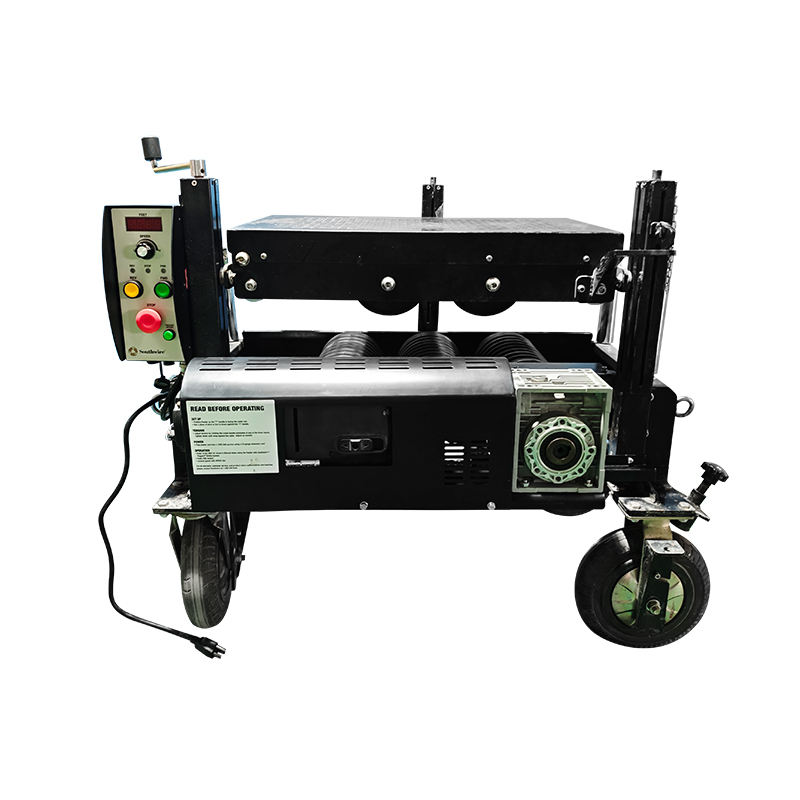
Large-scale cable installation projects involve more than pulling cables through conduits or trenches. Before installation begins, contractors must transport, position, support, and unwind heavy cable drums while maintaining control over the cable throughout the process. Poorly matched handling equipment can create difficulties during drum rotation, increase manual handling risks, and interrupt installation schedules. For electrical contractors and infrastructure equipment buyers, selecting appropriate Cable Pulling Accessories means looking at the entire installation process, including cable drum support, reel rotation, positioning, and controlled pay-off.
Why Is Cable Drum Handling an Important Part of Installation Planning?
Cable drums can be difficult to position because their weight, width, and diameter vary according to cable specifications. Large power cable reels require suitable lifting and support equipment before the cable can be released for installation.
If a drum is positioned incorrectly, the cable may enter the pulling route at an unsuitable angle. This can create additional handling difficulties and increase the risk of uneven cable movement.
Before choosing equipment, contractors should confirm the drum dimensions, gross weight, available working space, and intended cable direction. These details provide a practical starting point for selecting compatible handling systems.
How Do Cable Drum Jacks Support Controlled Pay-Off?
Cable drum jacks are commonly used to raise and support cable reels during installation. Combined with a suitable spindle or shaft, they allow the drum to rotate while cable is gradually released.
However, not every jack is suitable for every reel. Buyers should pay attention to:
- Maximum rated load of the lifting equipment.
- Compatible drum width and diameter.
- Spindle dimensions and structural strength.
- Stability of the supporting frame.
- Ground conditions and equipment positioning.
A properly selected support system helps maintain controlled drum rotation. Contractors should always follow the equipment manufacturer's lifting instructions and verify that the complete setup is suitable for the actual drum weight.
Why Does Drum Rotation Control Matter?
Uncontrolled cable release can create unnecessary handling problems. When a pulling operation slows down or stops, the drum may continue rotating because of its own momentum.
This can result in loose cable loops, tangling, or unexpected movement around the working area.
Suitable braking or rotation-control arrangements can help manage this situation. The required configuration depends on the drum size, cable weight, installation method, and operating conditions.
For procurement teams, it is worth checking whether the selected cable drum handling equipment includes compatible braking components or requires a separate control arrangement.
Matching Reel Stands to Different Project Requirements
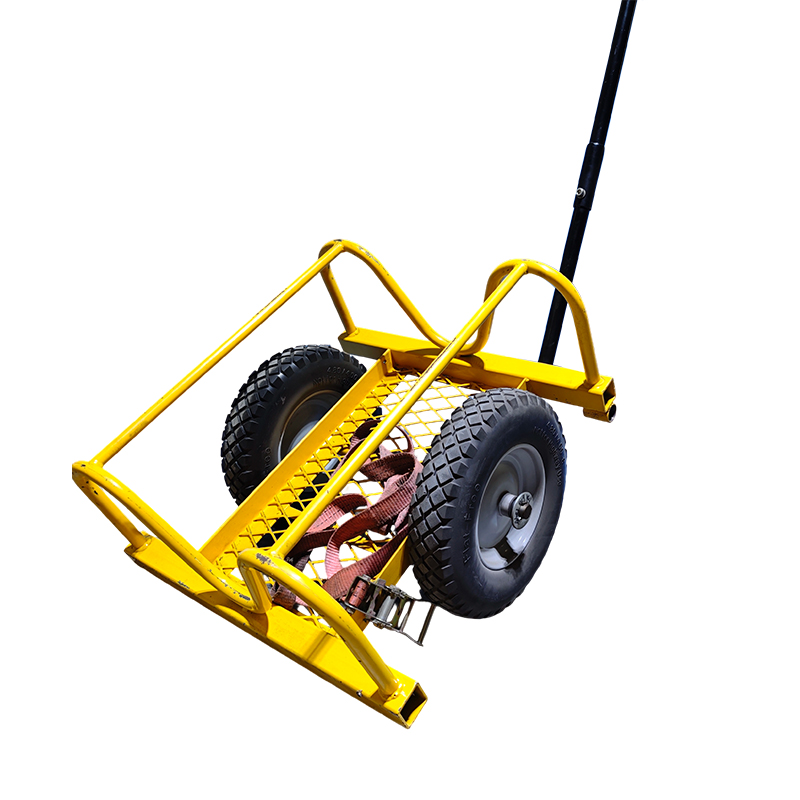
Cable reel stands and drum support systems are available in different structural configurations. Some are designed for portable installation work, while others are intended for larger cable drums used in industrial or infrastructure projects.
The right choice depends on the working environment.
For example, contractors handling multiple cable sizes may prefer adjustable equipment that accommodates different reel dimensions. Projects involving heavier cable drums require particular attention to load ratings and frame stability.
When comparing reel stands, buyers should also consider transportation, assembly requirements, storage space, and whether the equipment can be used with other cable installation accessories.
Planning the Cable Route Before Releasing the Drum
Even suitable drum handling equipment cannot compensate for an unprepared installation route. Before releasing the cable, contractors should inspect the planned path and identify potential obstacles.
Important preparation steps include:
- Checking whether the drum can be aligned with the cable route.
- Confirming that the cable exits the drum in the recommended direction.
- Inspecting the route for sharp edges and obstructions.
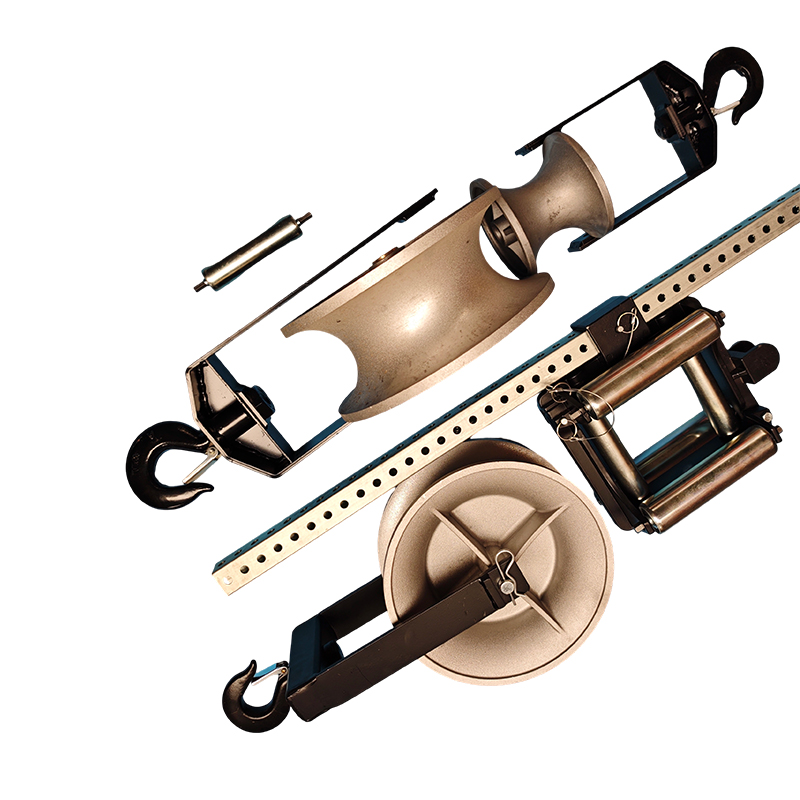
- Preparing suitable rollers and guides along the installation path.
- Confirming less bending radius and allowable pulling tension.
A short preliminary check can help identify positioning problems before the full pulling operation begins.
What Should Overseas Buyers Check When Sourcing Equipment?
For distributors, electrical contractors, and engineering procurement teams, purchasing decisions should be based on actual project requirements rather than product appearance alone.
When comparing cable drum handling equipment, buyers should request clear information about load capacity, adjustable dimensions, structural materials, connection components, and operating instructions.
It is also useful to ask manufacturers whether different equipment configurations are available for specific drum sizes or installation environments.
For bulk purchasing, sample evaluation, technical drawings, packaging arrangements, and replacement component availability can help buyers assess the suitability of a supplier.
Manufacturing Details Influence Equipment Reliability
From a manufacturer's perspective, cable drum handling equipment requires careful attention to structural design, material selection, welding quality, component assembly, and dimensional consistency.
Supporting frames must be designed according to their intended loading conditions, while rotating components should operate smoothly within the specified working range. Finished-product inspection should also verify important dimensions and functional characteristics.
For overseas customers, clear technical documentation is equally important. Accurate product specifications help contractors select compatible equipment and reduce misunderstandings during project preparation.
Preparing for More Efficient Cable Installation
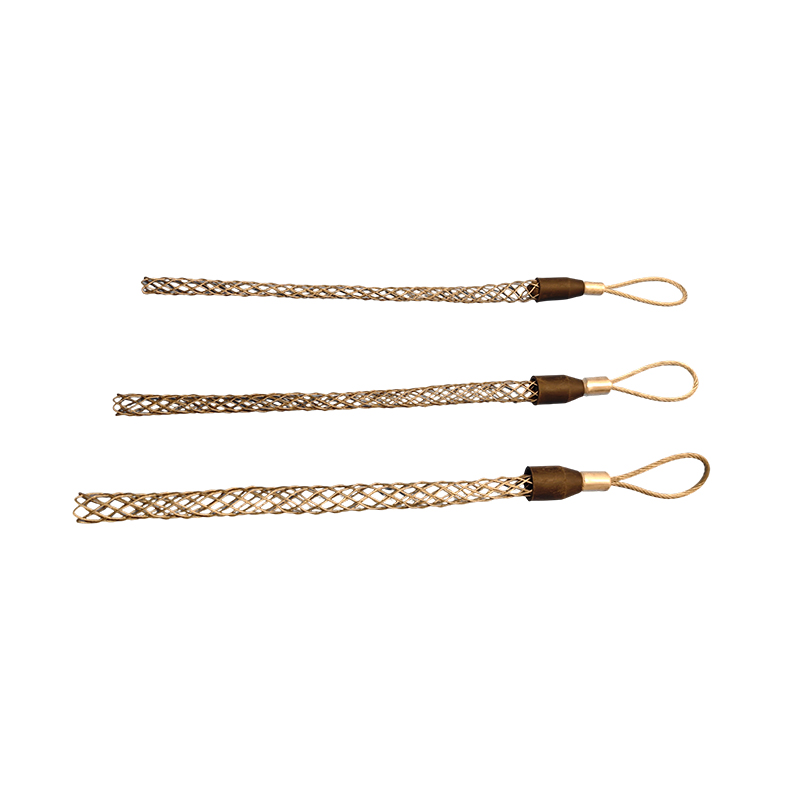
As underground power distribution, industrial construction, and infrastructure projects require more coordinated installation processes, cable handling equipment plays an important role in site preparation. Selecting suitable drum jacks, reel stands, rollers, and rotation-control components helps contractors organize cable handling operations more effectively.
As a manufacturer, we understand that different projects require different equipment configurations. By evaluating drum dimensions, load requirements, installation conditions, and accessory compatibility, buyers can identify more suitable Cable Pulling Accessories for their applications. A well-matched equipment combination supports better project preparation and provides contractors with a more practical approach to cable installation.

Bode specializes in high-quality, multifunctional metal shelving solutions. We manufacture durable metal shelves designed to optimize warehouse organization. We are committed to providing our customers with affordable, reliable products while supporting a cleaner and more sustainable environment.
Ready to work with us?

-
Tel
+86-13819988181
-
E-mail
sales@bodehardware.com
Product Links
Quick Links
Contact Us
Copyright © Jinhua Bode Hardware Technology Co., Ltd. All Rights Reserved.

China Garage Storage Racks