-
 +86-13819988181
-
 sales@bodehardware.com

 English
 English
 中文简体
 Español
How Can the Right Cable Pulling Accessories Reduce Risks During Cable Installation?
2026-11-06
Jinhua Bode Hardware Technology Co., Ltd.
Cable installation projects are becoming more demanding as buildings, industrial facilities, renewable energy systems, and infrastructure networks require increasingly complex wiring layouts. Pulling cables through long conduits, underground ducts, and narrow installation spaces can create challenges involving friction, excessive tension, cable damage, and difficult handling. For electrical contractors and equipment distributors, selecting suitable Cable Pulling Accessories is not simply a matter of purchasing individual tools. It requires understanding the cable specifications, installation route, working environment, and pulling method before the job begins.
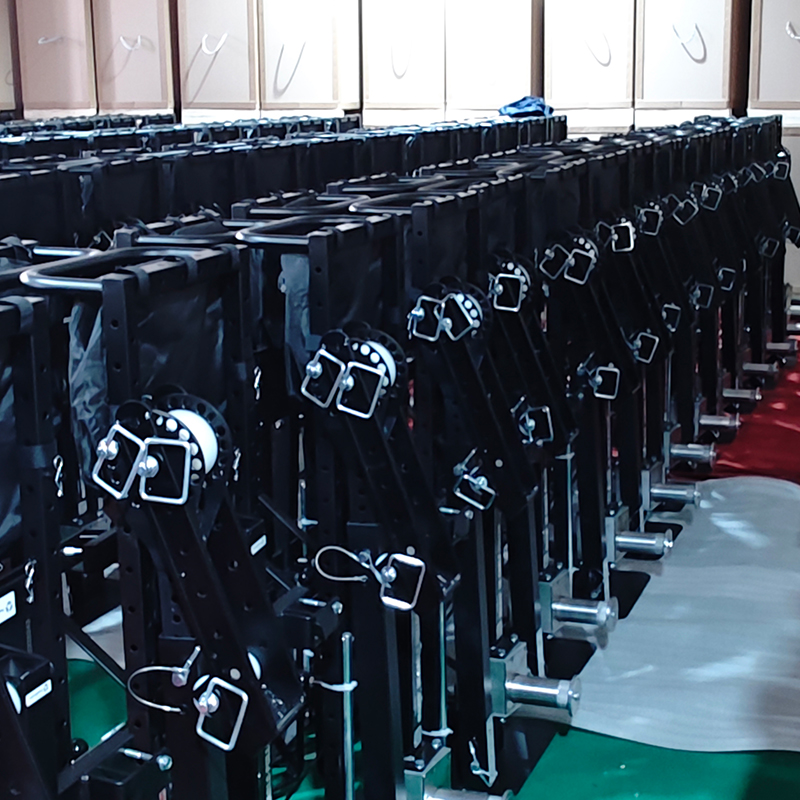
Understand the Installation Route Before Selecting Equipment
The cable route has a direct influence on the equipment required for installation. A relatively straight conduit may need a different setup from a route containing multiple bends, vertical sections, or long underground runs.
Before selecting pulling equipment, contractors should review the route length, conduit diameter, bend locations, entry and exit points, and available working space. These details help determine whether cable rollers, guide equipment, pulling grips, or other accessories are needed.
For manufacturers, understanding the installation conditions is equally important. A suitable product configuration should support the actual pulling task rather than rely on a generic tool combination.
Reduce Friction With Proper Cable Guidance
Friction between a cable and the conduit or surrounding surface can increase pulling resistance. When the cable moves through bends or across sharp edges, improper guidance may also damage its outer sheath.
Cable rollers and corner rollers help guide cables along the installation path and reduce unnecessary contact with surrounding surfaces. Their dimensions, load capacity, and positioning should correspond to the cable size and route layout.
Installers should pay particular attention to changes in direction. Placing suitable rollers at key points can help maintain a controlled pulling path and reduce the need for workers to manually reposition heavy cables during installation.
Match Pulling Grips to Cable Specifications
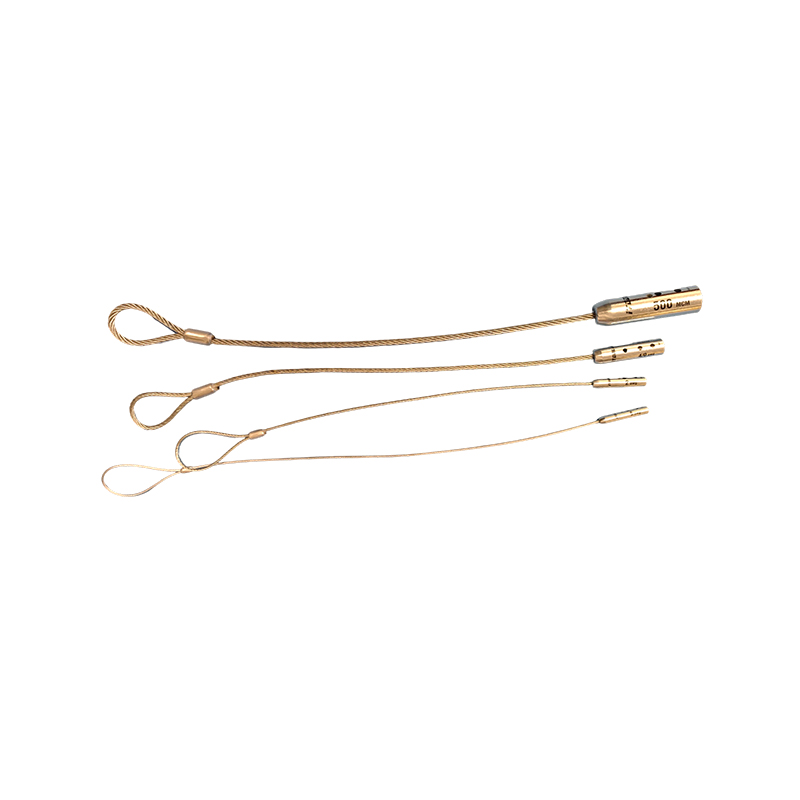
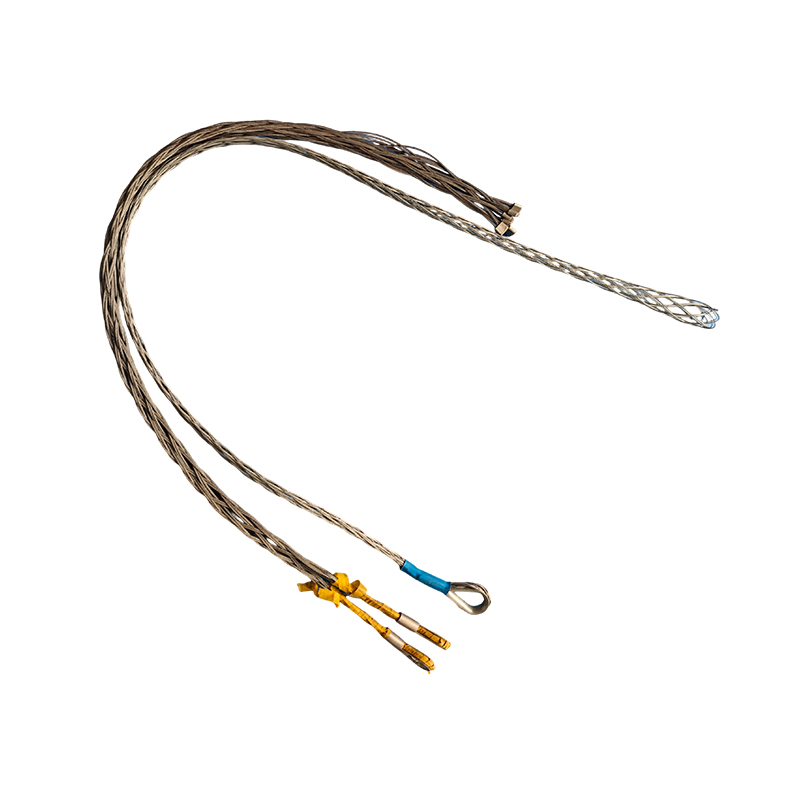
A pulling grip connects the cable to the pulling line, making its selection an important part of the installation process. An unsuitable grip may slip, apply uneven pressure, or fail to provide the required holding performance.
When evaluating cable pulling grips, buyers should consider:
- Cable diameter and outer sheath characteristics
- Grip type and construction
- Required holding capacity
- Compatibility with the pulling connection
- Installation and removal procedures
The grip should be selected according to the cable manufacturer's recommendations and the requirements of the pulling operation. It should not be treated as a universal component for every cable type.
Control Pulling Tension During Long-Distance Work
Long cable routes can create significant pulling resistance, especially when several bends or changes in elevation are involved. Excessive tension may stretch conductors, damage insulation, or affect the cable's structural integrity.
Cable pulling accessories should therefore be considered as part of a complete installation system. Pulling equipment, rollers, grips, and tension-monitoring arrangements need to work together. Where project requirements specify up to
pulling tension or less bending radius, installers must follow those limits and use suitable measurement methods.
Planning the pulling sequence before work begins can also help reduce sudden loading and unnecessary interruptions.
Consider Portability and Site Conditions
Cable installation rarely takes place in a perfectly organized environment. Contractors may work in underground utility projects, construction sites, industrial plants, or restricted equipment rooms. Tools that are difficult to transport, position, or assemble can slow down the workflow.
When purchasing cable installation tools, buyers should evaluate the following practical details:
- Weight and ease of transportation
- Assembly and adjustment requirements
- Compatibility with different installation environments
- Resistance to expected site conditions
- Storage and maintenance arrangements
A practical accessory range should support the working conditions of the intended users while remaining manageable for repeated site operations.
Inspect Accessories Before and After Use
Even properly selected equipment requires inspection. Rollers may develop surface damage, grips may show signs of wear, and connecting components may become loose after repeated use. Such conditions can affect cable guidance and the reliability of the pulling setup.
A routine inspection should include checking moving parts, connection points, gripping surfaces, structural components, and visible deformation. Damaged accessories should be removed from service according to the manufacturer's instructions. Proper cleaning and storage can also help maintain equipment condition between projects.
Develop a Complete Solution With the Manufacturer
For an experienced Cable Pulling Accessories manufacturer, product development involves more than producing individual tools. Different cable diameters, pulling methods, route configurations, and site conditions require careful consideration of product structure, material selection, dimensions, and compatibility.
Overseas buyers can improve sourcing decisions by sharing their common installation scenarios, required tool types, cable specifications, and expected working conditions with the manufacturer. This information makes it easier to evaluate suitable accessories and identify potential gaps in a product range.
Ultimately, well-matched Cable Pulling Accessories help contractors manage cable guidance, pulling connections, and installation risks more systematically. Selecting equipment according to the actual route and cable requirements can support smoother installation work while helping protect valuable cables throughout the pulling process.

Bode specializes in high-quality, multifunctional metal shelving solutions. We manufacture durable metal shelves designed to optimize warehouse organization. We are committed to providing our customers with affordable, reliable products while supporting a cleaner and more sustainable environment.
Ready to work with us?

-
Tel
+86-13819988181
-
E-mail
sales@bodehardware.com
Product Links
Quick Links
Contact Us
Copyright © Jinhua Bode Hardware Technology Co., Ltd. All Rights Reserved.

China Garage Storage Racks