-
 +86-13819988181
-
 sales@bodehardware.com

 English
 English
 中文简体
 Español
When Does Surface Finish Matter for an Organization Hook?
2026-10-30
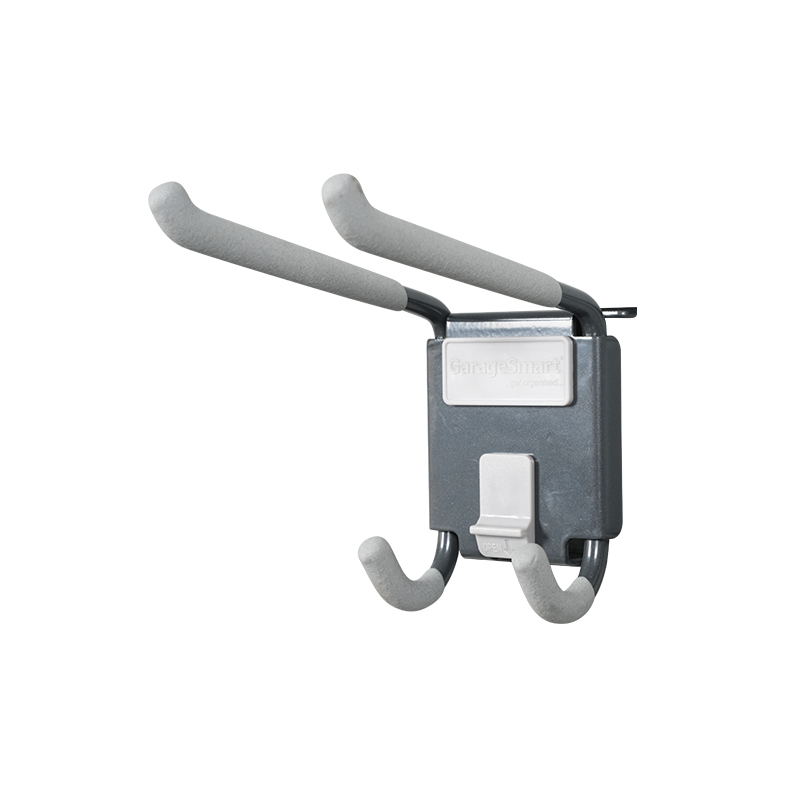
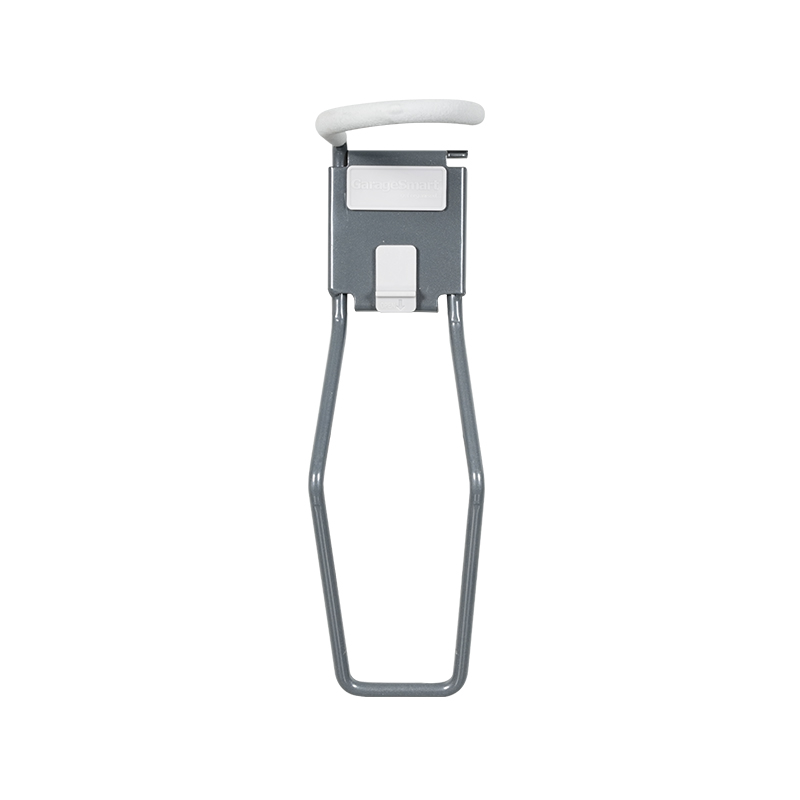
An Organization Hook is often selected for its shape and storage function, but the surface condition can also influence how the product fits a commercial storage system. For workshops, warehouses, retail fixtures, offices, and other organization applications, buyers may need to consider moisture exposure, handling frequency, appearance, and storage conditions before choosing a finish. From a manufacturing perspective, surface treatment should be connected to the intended application rather than selected simply because a particular finish looks attractive.

Start With the Storage Environment
The environment is the factor to review. A hook used inside a dry office may have different surface requirements from one installed in a workshop or storage area where moisture and contaminants are more likely to occur.
Before confirming the specification, buyers can consider:
- Indoor or semi-outdoor installation
- Exposure to moisture or condensation
- Contact with dust or other contaminants
- Frequency of handling
- Expected storage conditions before installation
- Appearance requirements of the finished system
Providing this information helps the manufacturer assess the product more accurately.
Match the Material to the Application
Material selection should be based on the complete application rather than appearance alone. The hook needs to provide the required structural function while also fitting the environment in which it will be used.
For example, a commercial buyer developing a storage range may prioritize a consistent appearance across multiple hook models, while a workshop application may place greater emphasis on practical handling and environmental conditions.
A manufacturer can evaluate the material together with the hook geometry, mounting structure, and expected use.
Understand What Surface Treatment Actually Does
Different surface treatments can serve different purposes, including appearance, surface protection, and compatibility with the intended environment. However, buyers should avoid assuming that any particular finish automatically makes a product suitable for every application.
The specification should clarify:
- Required surface appearance
- Expected environmental exposure
- Storage conditions
- Handling requirements
- Any project-specific finish requirements
- Whether consistent appearance is needed across multiple products
This creates a more useful basis for selecting a finish than relying on a generic product description.
Consider Long-Distance Storage and Shipping
For overseas orders, the product may spend considerable time in packaging, warehouses, or distribution channels before reaching the final user. Packaging should therefore be considered alongside material and surface treatment.
If multiple Organization Hook models are included in one shipment, each specification should also be clearly identified. Proper separation and labeling can make it easier for warehouse staff to manage different finishes, sizes, and configurations without unnecessary handling.
Manufacturers can discuss packaging requirements during order development rather than treating them as a final production detail.
Keep Appearance Consistent Across a Product Range
For distributors and retailers, appearance can become important when several hook models are displayed or installed together. Differences in surface appearance between related products may affect the visual consistency of the finished storage system.
When developing a product family, buyers can specify whether the same finish, surface appearance, or color treatment is required across different dimensions and configurations.
Manufacturers can then use the approved sample as a reference for subsequent production, particularly when the products are intended for repeat orders.
Consider Maintenance and User Contact
The surface of a storage hook is also part of the user's everyday experience. A hook may be handled repeatedly when products are removed, replaced, or reorganized.
Buyers should consider whether the finish is appropriate for the expected handling conditions and whether routine cleaning or maintenance is required. The surface should also be compatible with the surrounding storage components and the products being stored.
These practical considerations can help prevent a visually attractive specification from becoming inconvenient in daily use.
Define the Finish in the Purchasing Specification
From a manufacturer's perspective, terms such as “durable finish” or “rust-resistant hook” may be too general to serve as complete purchasing requirements. A more useful specification connects the material and surface treatment with the application, environment, appearance, and packaging conditions.
For overseas buyers, this approach can make communication clearer when developing samples or repeat orders. An Organization Hook is not only a storage accessory; it is a manufactured component whose material, surface treatment, structure, and packaging should work together. By defining these requirements before production, buyers can make a more informed selection and give manufacturers a clearer reference for consistent supply.

Bode specializes in high-quality, multifunctional metal shelving solutions. We manufacture durable metal shelves designed to optimize warehouse organization. We are committed to providing our customers with affordable, reliable products while supporting a cleaner and more sustainable environment.
Ready to work with us?

-
Tel
+86-13819988181
-
E-mail
sales@bodehardware.com
Product Links
Quick Links
Contact Us
Copyright © Jinhua Bode Hardware Technology Co., Ltd. All Rights Reserved.

China Garage Storage Racks