-
 +86-13819988181
-
 sales@bodehardware.com

 English
 English
 中文简体
 Español
What Should Buyers Check Before Choosing an Organization Hook for Heavy-Use Storage?
2026-10-23
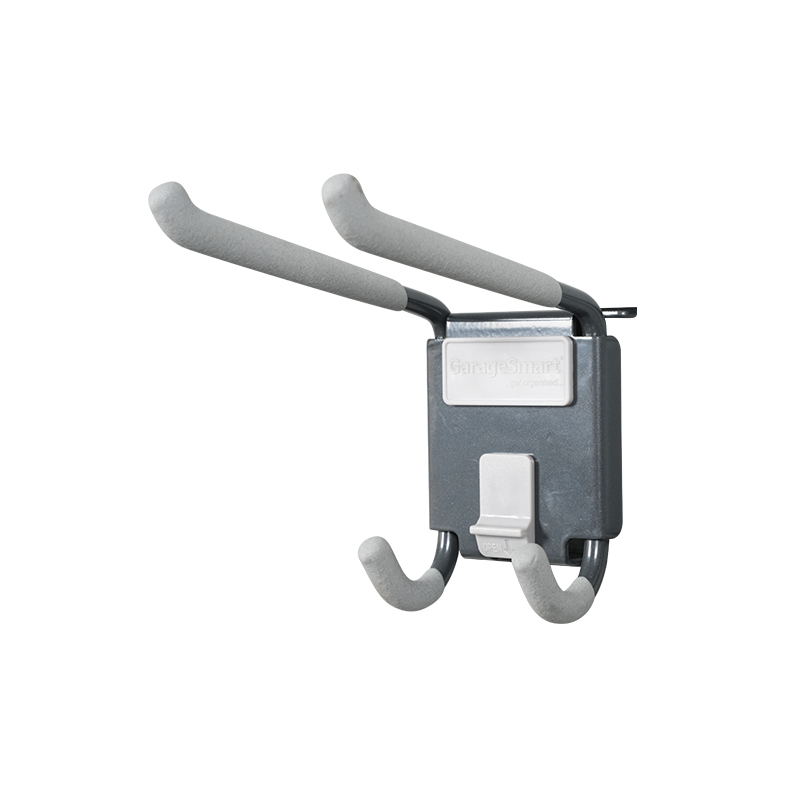
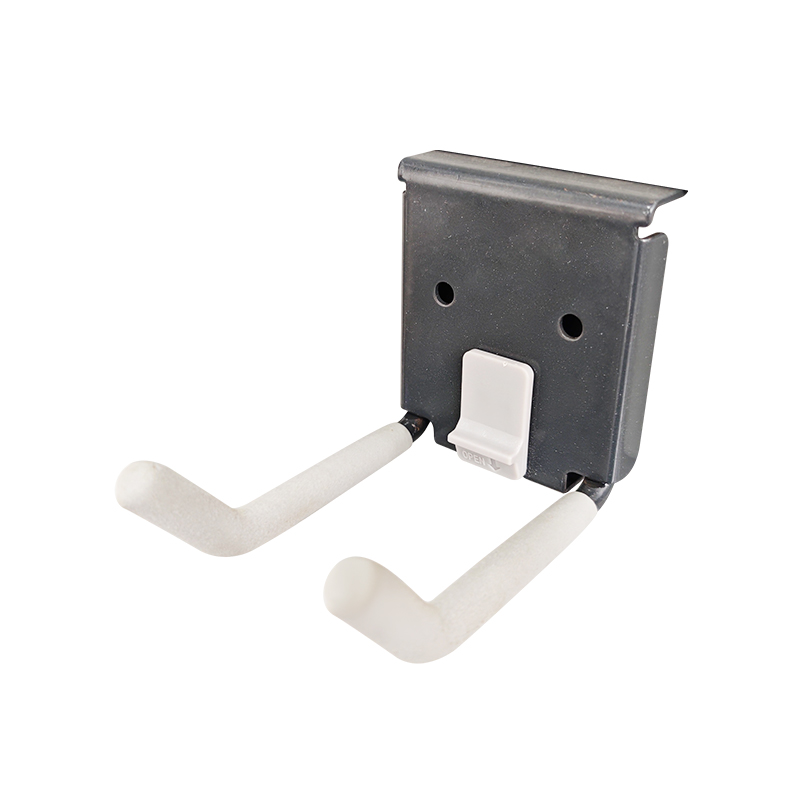
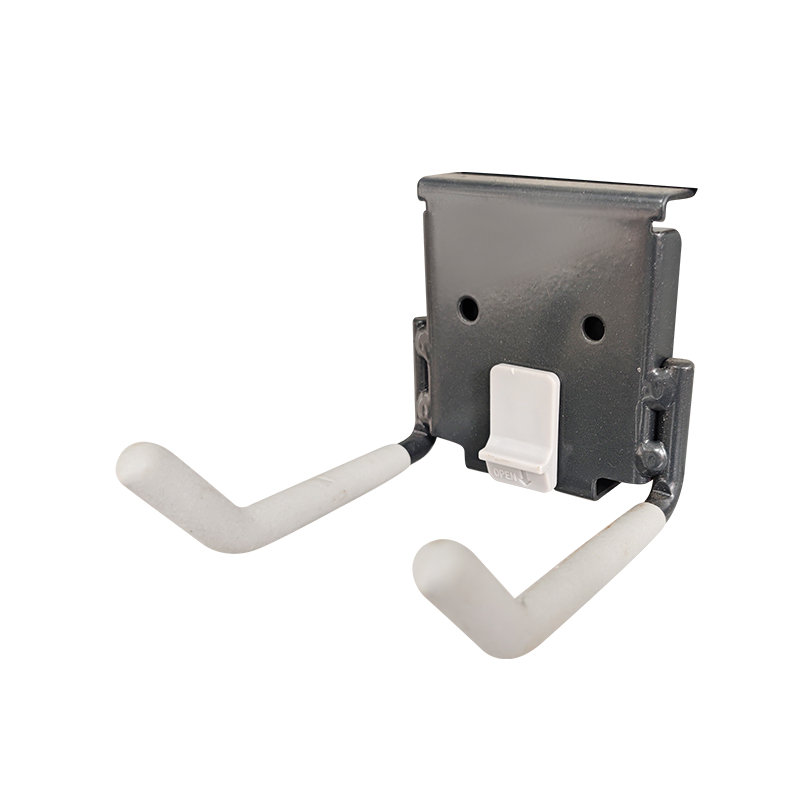
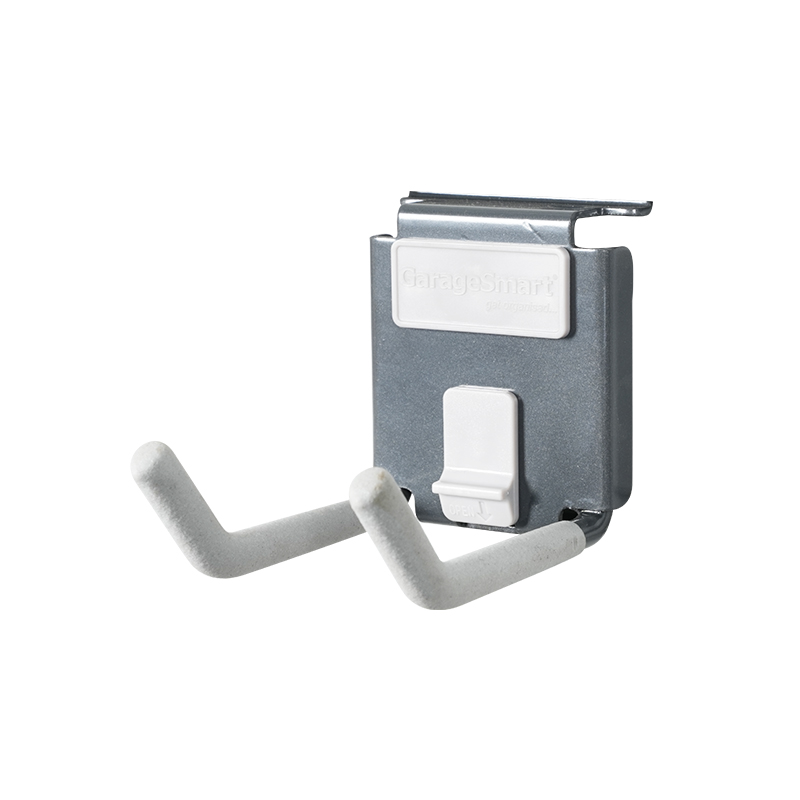
An Organization Hook may look simple, but the way it supports and stores an item depends on more than the hook itself. For workshops, warehouses, retail fixtures, maintenance areas, and commercial storage systems, buyers need to consider the stored item's weight, shape, mounting method, and frequency of use together. Choosing a hook only by appearance can create an unsuitable storage solution. From a manufacturing perspective, understanding the complete load and installation conditions helps turn a basic hanging accessory into a more practical component of a storage system.

Start With the Actual Load
The question should be what the hook is expected to support. Two products with similar dimensions may place very different demands on a hook because of their weight and center of gravity.
Buyers should provide the manufacturer with information about:
- Approximate weight of the stored item
- Item dimensions and shape
- Hanging position
- Whether the load remains stationary or is frequently removed
- Number of hooks supporting one item
- Expected installation orientation
This information allows the hook structure to be considered according to its intended use rather than relying on a general appearance-based selection.
Look at How the Load Is Distributed
The total weight is only part of the storage equation. The position of the load can also influence how force is transferred through the hook and mounting point.
A long or irregularly shaped item may extend away from the storage panel, creating a different loading condition from a compact object positioned close to the mounting surface. When developing a customized Organization Hook, manufacturers can review the hook length, supporting section, mounting structure, and item position together.
This is particularly relevant for workshop and commercial storage applications where users repeatedly handle the stored products.
Check the Mounting Structure
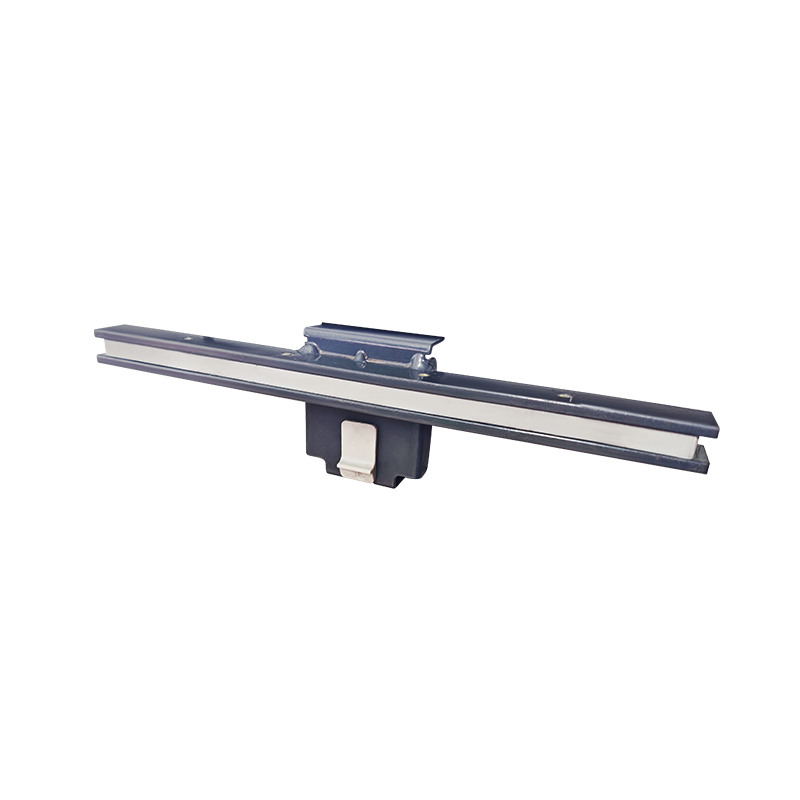
A strong hook still depends on how it is attached to the storage system. Buyers should therefore confirm that the hook and the supporting panel or rail are designed to work together.
The purchasing specification can include:
- Panel or rail type
- Mounting position
- Fixing method
- Available installation space
- Required clearance
- Expected load condition
If the hook is intended for a customized panel, providing drawings or samples can give the manufacturer a more accurate reference for development.
Consider Repeated Handling
Storage hooks in working environments may be used many times during the day. The product is not only supporting an object; users may also pull, lift, reposition, or return that object repeatedly.
This makes practical usability an important consideration. The hook should provide enough clearance for the intended item while allowing users to remove it without unnecessary interference with adjacent products.
Manufacturers can evaluate the shape and position of the hanging section based on how the product will actually be handled.
Choose Materials and Finish With the Environment in Mind
Material and surface treatment should correspond with the intended storage environment. A hook used inside a clean retail fixture may have different requirements from one installed in a workshop or other working area.
Before confirming a material or finish, buyers can consider:
- Indoor or semi-outdoor use
- Moisture exposure
- Contact with other metal components
- Required surface appearance
- Expected handling frequency
- Storage and transportation conditions
These details help prevent material selection from becoming a purely visual decision.
Avoid Relying on a Single Generic Specification
For B2B purchasing, a generic description such as “heavy-duty hook” does not provide enough technical information for consistent procurement. Buyers should ask for clear product specifications related to the actual application.
Useful documentation may include dimensions, material information, mounting details, applicable load requirements, drawings, and installation guidance. The exact information should be determined by the intended storage system.
A manufacturer can then use the approved specification as a reference for samples, inspections, and repeat orders.
Develop the Product Around the Complete Storage System
An Organization Hook should be evaluated as part of the structure supporting it. The hook, mounting panel, stored item, installation method, and user interaction all contribute to the final storage result.
For overseas buyers, providing these details before production gives the manufacturer a stronger basis for customization and technical review. Whether the application involves workshop tools, warehouse supplies, retail merchandise, or facility storage, a clearly defined load condition and mounting structure can make the product specification more practical. Instead of choosing a hook simply because it looks suitable, buyers can work with an Organization Hook manufacturer to develop a component that matches the actual storage task.

Bode specializes in high-quality, multifunctional metal shelving solutions. We manufacture durable metal shelves designed to optimize warehouse organization. We are committed to providing our customers with affordable, reliable products while supporting a cleaner and more sustainable environment.
Ready to work with us?

-
Tel
+86-13819988181
-
E-mail
sales@bodehardware.com
Product Links
Quick Links
Contact Us
Copyright © Jinhua Bode Hardware Technology Co., Ltd. All Rights Reserved.

China Garage Storage Racks