-
 +86-13819988181
-
 sales@bodehardware.com

 English
 English
 中文简体
中文简体 Español
Can Metal Shelving Hold Heavy Garage Items Safely
2026-04-03
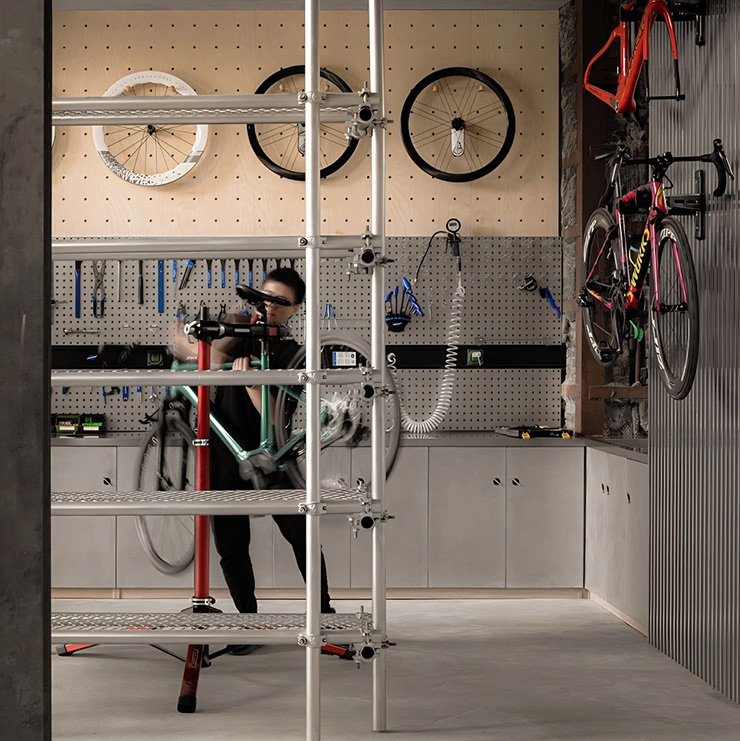
Garages often become cluttered quickly, and the demand for reliable garage storage racks and metal shelving solutions is rising among DIYers and professionals alike. When homeowners consider re-organizing their garages, one of the initial questions asked is whether metal shelving can truly handle heavy loads such as power tools, automotive parts, storage bins, and seasonal equipment. Addressing this concern not only helps people make better choices; it also highlights how structured design and engineering determine real-world performance.
Why Weight Capacity Matters
Metal shelving is widely used because of its strength compared to plastic or wood alternatives. A well-designed steel shelving system can support substantial weight — but the actual capacity depends on factors such as:
- Material gauge: Thicker steel (e.g., 16 or 18 gauge) increases load capacity.
- Shelf design: Beams and braces add rigidity.
- Fastening system: Bolted shelves tend to hold more than clipped systems.
- Footprint and depth: Wider units distribute load more evenly.
For example, many commercial-grade metal shelving units advertise a per-shelf static load capacity of 600–1,000 lbs (272–454 kg) when evenly distributed. That translates into safe storage for engine parts, toolboxes, and bulk goods commonly found in garages.
Common Concerns About Heavy Loads
People often worry that heavy items will cause metal shelving to bend, warp, or collapse. Understanding a few technical details helps alleviate these fears:
Deflection Tolerance
Steel shelving is engineered to minimize deflection (bending). A well-built rack typically limits deflection to under 1/4 inch under rated load.
Even Load Distribution
Placing items evenly across the shelf surface prevents stress points that can contribute to premature wear.
Anchoring to Walls or Floors
Anchoring garage storage racks improves overall stability and helps prevent tipping when heavier items are involved.
At Jinhua Bode Hardware Technology Co., Ltd., we incorporate reinforced cross-bracing and industrial-grade steel beams into our shelving products specifically to address these load concerns.
Real-Life Safety Practices
Users also ask about safety practices when storing heavy equipment on metal shelves. Here are essential tips:
Place Heavier Items on Lower Shelves
This lowers the center of gravity of the entire shelving unit and minimizes tipping risk.
Distribute Weight Across Multiple Shelves
Rather than concentrating tons of weight on a single shelf, spreading items helps maintain balance and structural integrity.
Use Edge Guards or Lip Protectors
Small features like edge lips keep items from sliding off under load.
Check Manufacturer Specifications
Always review the rated load capacity — many garage storage racks come with per-shelf and total unit ratings.
Comparisons to Other Storage Options
Metal shelving solutions differ from traditional wood shelves in durability and longevity. Steel doesn’t absorb moisture, resists pests, and is less prone to cracking under load. Compared to modular plastic shelving, metal holds up better under high stress conditions — essential when storing dense materials like concrete-topped tool chests or cast iron parts.
Technology and Material Choices
Another differentiator is the use of protective coatings:
- Powder coating protects steel from corrosion in humid environments.
- Galvanization adds a zinc layer that increases lifespan.
These enhancements ensure that metal shelving solutions continue to perform over many years, even in conditions where dampness or temperature changes occur.
Metal shelving can safely support heavy garage items when engineered systems are chosen and used properly. Understanding load ratings, weight distribution, design features, and safety practices empowers users to organize their garages with confidence. Quality products — such as those developed by Jinhua Bode Hardware Technology Co., Ltd. — focus on capacity, durability, and ergonomic functionality to give users peace of mind for their storage needs.

Bode specializes in high-quality, multifunctional metal shelving solutions. We manufacture durable metal shelves designed to optimize warehouse organization. We are committed to providing our customers with affordable, reliable products while supporting a cleaner and more sustainable environment.
Ready to work with us?

-
Tel
+86-13819988181
-
E-mail
sales@bodehardware.com
Product Links
Quick Links
Contact Us
Copyright © Jinhua Bode Hardware Technology Co., Ltd. All Rights Reserved.

China Garage Storage Racks