-
 +86-13819988181
-
 sales@bodehardware.com

 English
 English
 中文简体
中文简体 Español
How Does Garage Shelving Rust and Corrosion Form
2026-04-10
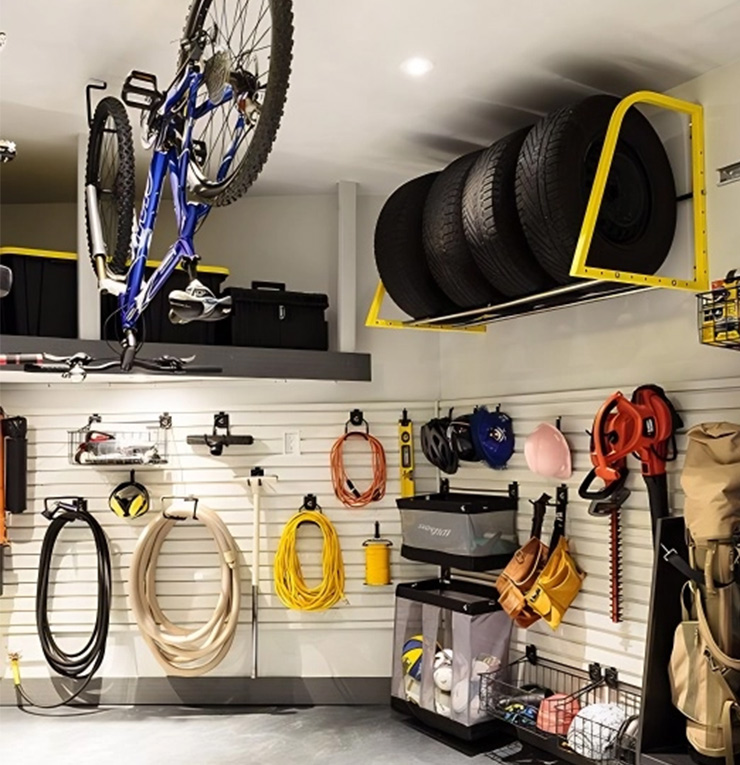
Rust and corrosion are among the more discussed topics when people consider using garage storage racks or metal shelving solutions in a workplace, basement, or workshop. The visual appearance of rust is often the initial sign of a long-term problem, and many homeowners and facility managers want to know exactly how this chemical process starts, what accelerates it, and how it can be prevented effectively.
Rust formation is essentially a chemical reaction: when iron or steel is exposed to oxygen and moisture over time, the metal oxidizes, producing reddish-brown iron oxide — rust — on the surface of the shelving.
What Causes Rust on Metal Shelving
Understanding the factors that contribute to corrosion helps owners choose better designs and maintenance practices. The primary contributors include:
Humidity and moisture contact: Even small amounts of water vapor or condensation in the air can trigger oxidation on metal rack surfaces. Garages with poor ventilation or frequent temperature swings are particularly susceptible to moisture forming rust on metal shelving racks.
Environmental salts and chemicals: Locations near coastal areas or garages that store chemicals can increase corrosion rates due to salt or chemical exposure interacting with metal.
Surface coating damage: Protective coatings such as galvanization or powder coatings can slow rust formation, but scratches or surface damage leave the bare metal exposed and vulnerable to corrosion.
Temperature swings: Changes in temperature cause dew to form on metal surfaces, accelerating rust formation by bringing moisture into direct contact with the steel.
These factors explain why even sturdy metal shelving solutions with high weight capacities can eventually show signs of oxidation if environmental conditions are unfavorable.
Forum Discussions: What Users Notice
Online communities such as Reddit and home improvement forums show real-world concerns from users who have experienced rust issues firsthand. One common theme is that humidity and temperature changes are the main drivers for rust appearing on indoor metal storage racks — even when garages seem dry more of the time. Users report discoloration and flaky deposits appearing on shelves that were previously clean and smooth.
Another thread highlights how the oxidation problem is more about chemistry than load capacity or quality alone. People emphasize that understanding the difference between “rust” (specific to iron/steel) and general corrosion (which can happen to other metals) helps them choose appropriate materials and preventive strategies.
Choosing the Right Materials and Finishes
Not all metal shelving shelves or racks are created equal in terms of corrosion resistance. Some product decisions that help reduce rust formation include:
Galvanized steel: This coating uses a layer of zinc that reacts preferentially, protecting the steel underneath. It is a widely used option for shelving designed to withstand moisture exposure.
Powder coating: A durable polymer layer that deeply bonds to steel surfaces provides a barrier against air and moisture. Powder coatings are often used in professional-grade garage storage racks because of their extended protection lifespan.
Stainless steel: While not completely immune to corrosion, stainless steel contains chromium in the alloy, which forms its own protective oxide layer that significantly slows down rust.
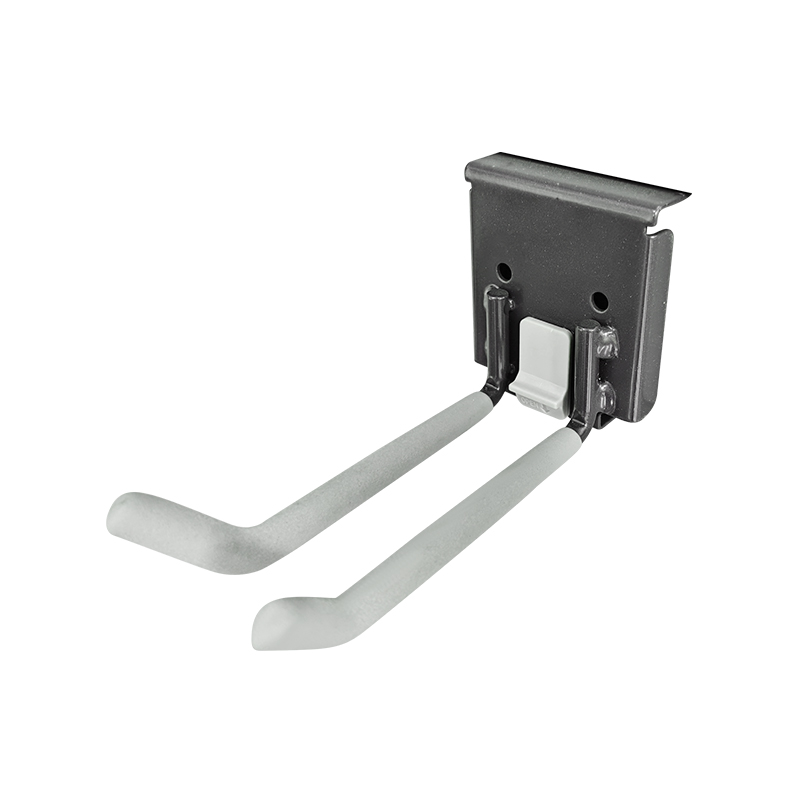
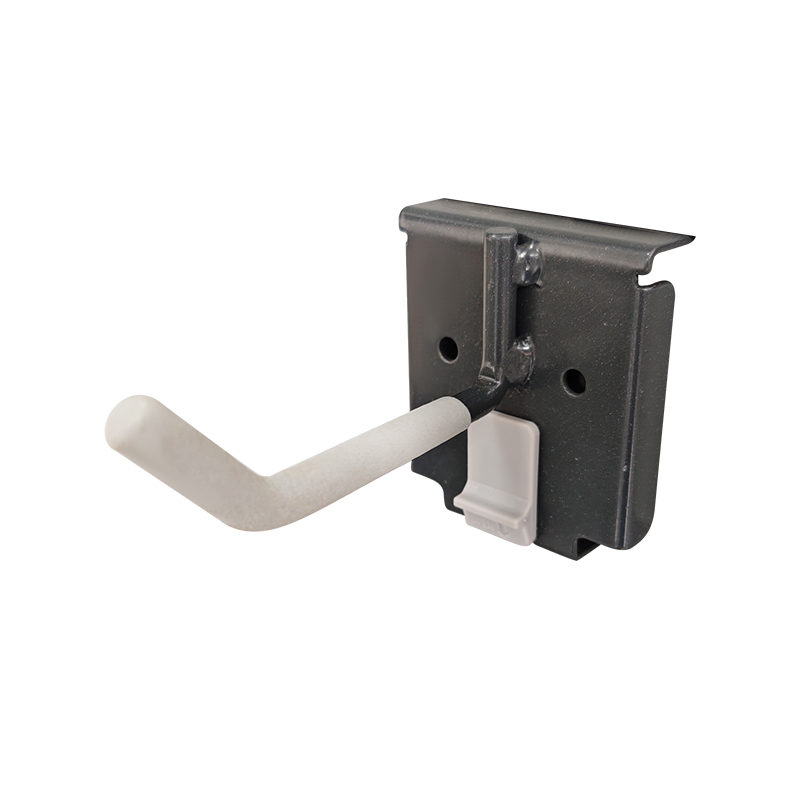
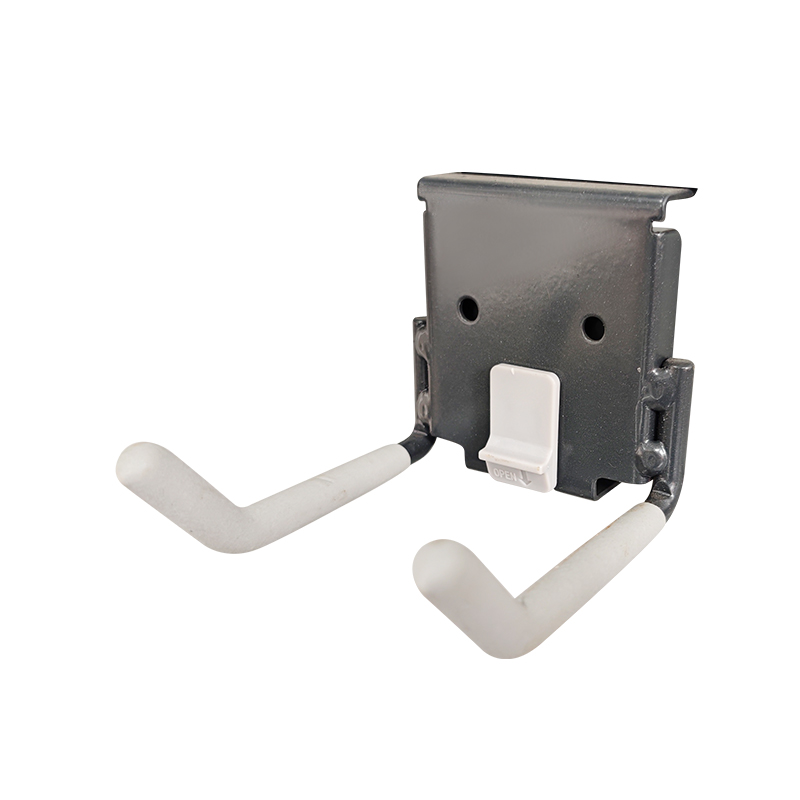
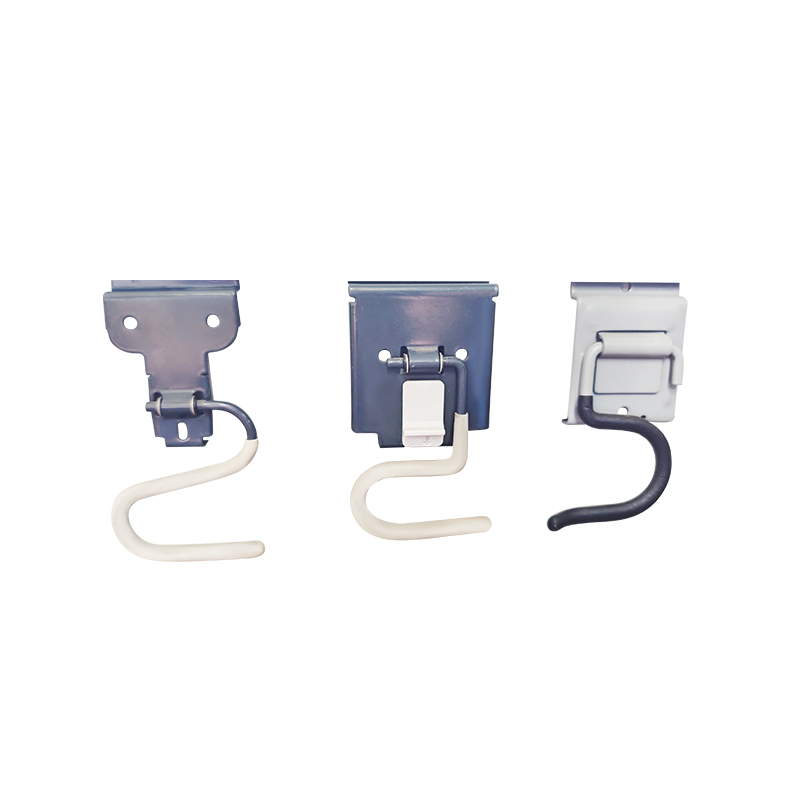
At Jinhua Bode Hardware Technology Co., Ltd., many of our metal shelving solutions incorporate powder-coated or galvanized finishes to extend service life in humid or challenging environments.
Practical Practices to Reduce Corrosion
Owners do not need to resign themselves to rust as an inevitability. Some practical steps that users frequently mention include:
Control garage humidity: Use dehumidifiers or improve airflow to reduce moisture levels around storage racks.
Keep surfaces clean: Dust and debris trap moisture and speed rust onset, so periodic cleaning helps protect metal surfaces.
Repair surface damage promptly: Touch-up paint or rust-inhibiting sprays can restore protective coatings when scratches occur.

Bode specializes in high-quality, multifunctional metal shelving solutions. We manufacture durable metal shelves designed to optimize warehouse organization. We are committed to providing our customers with affordable, reliable products while supporting a cleaner and more sustainable environment.
Ready to work with us?

-
Tel
+86-13819988181
-
E-mail
sales@bodehardware.com
Product Links
Quick Links
Contact Us
Copyright © Jinhua Bode Hardware Technology Co., Ltd. All Rights Reserved.

China Garage Storage Racks