-
 +86-13819988181
-
 sales@bodehardware.com

 English
 English
 中文简体
中文简体 Español
What Mistakes Ruin Garage Shelving Performance
2026-04-17
Homeowners and organizers often turn to garage storage racks or metal shelving solutions to conquer clutter and make their garages more functional. Yet, even with strong steel frames and robust designs, mistakes in planning, installation, and usage can quickly turn a promising storage setup into a weak, unsafe, or inefficient system.
Overlooking Weight Ratings
One of the more frequent mistakes people make is ignoring the weight capacity of shelving units. Every garage shelving solution has limits based on material thickness, structural design, and load distribution characteristics. Many DIY setups and lower-cost units use thinner gauge steel, particle board, or light connectors that simply can’t handle heavy power tools, large bins, or automotive parts without sagging or failing. When people load beyond these limits—especially concentrated loads in the center of the shelf—shelves bend or fasteners loosen, which undermines long-term performance.
Best practice: Check manufacturer load specifications.
Spread heavy items across multiple shelves rather than overloading a single tier.
Lower shelves should take the heaviest items to reduce stress on upper levels.
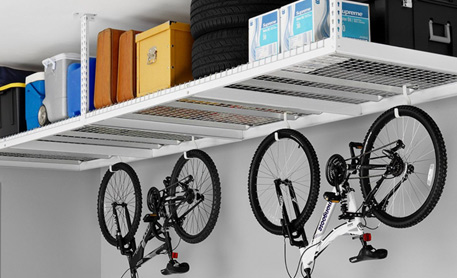
Picking the Wrong Materials for the Environment
Another common problem arises from selecting shelving that isn’t suited to the local environment. Many garages experience humidity, temperature swings, or even salt exposure from winter vehicles. Materials like untreated particle board will warp under moisture, and thin metal without corrosion resistance can begin rusting quickly.
Investing in powder-coated or galvanized finishes—features often found in industrial-grade metal shelving solutions—helps mitigate these environmental stressors. Even occasional exposure to condensation or dampness becomes less damaging when the materials are designed to resist corrosion. Those enhanced protective coatings can extend the useful life of shelving systems significantly.
Improper Installation and Anchoring Errors
A durable shelving unit can fail in performance if installed poorly. Sloppy alignment, inadequate bracing, or failure to secure units to studs are recurring issues discussed on organization forums and in homeowner Q&A threads. Shelving that isn’t firmly anchored can wobble, tilt, or even collapse when items are retrieved or placed on shelves.
Users often make these mistakes:
Using only drywall anchors instead of stud attachments.
Ignoring the manufacturer’s recommended assembly sequence.
Not using anti-tip hardware or wall mounts in taller systems.
Correct installation involves locating studs, using properly rated fasteners, and ensuring levels are square. Taller shelving units benefit from additional anchoring to prevent tipping and improve longitudinal strength.
Disorganized Storage and Poor Load Distribution
Even well-built garage storage racks suffer in performance when users pile items without structure. A cluttered shelf doesn’t just look chaotic; it can weaken the shelving’s structural integrity over time as unbalanced loads stress support beams unevenly.
Simple organization habits go a long way:
Group similar items (tools, seasonal gear, automotive) rather than mixing them indiscriminately.
Use labeled bins to keep smaller parts contained and prevent sliding.
Reserve deeper shelves for tall, bulky containers while shallow shelves handle lighter, smaller boxes.
Forums underscore that people often underestimate how “messy storage” turns into structural failures if pressure points develop where items clump together.
Ignoring Vertical and Wall Space
Some users install shelving without considering how to use all available space. Static, low shelves may fill up quickly while vast wall or vertical areas remain empty. Under-utilized vertical space doesn’t just reduce usable area—it creates situations where users pile items at the bottom, increasing weight stress and making retrieval harder.
Solutions include:
Taller shelving units that approach ceiling height.
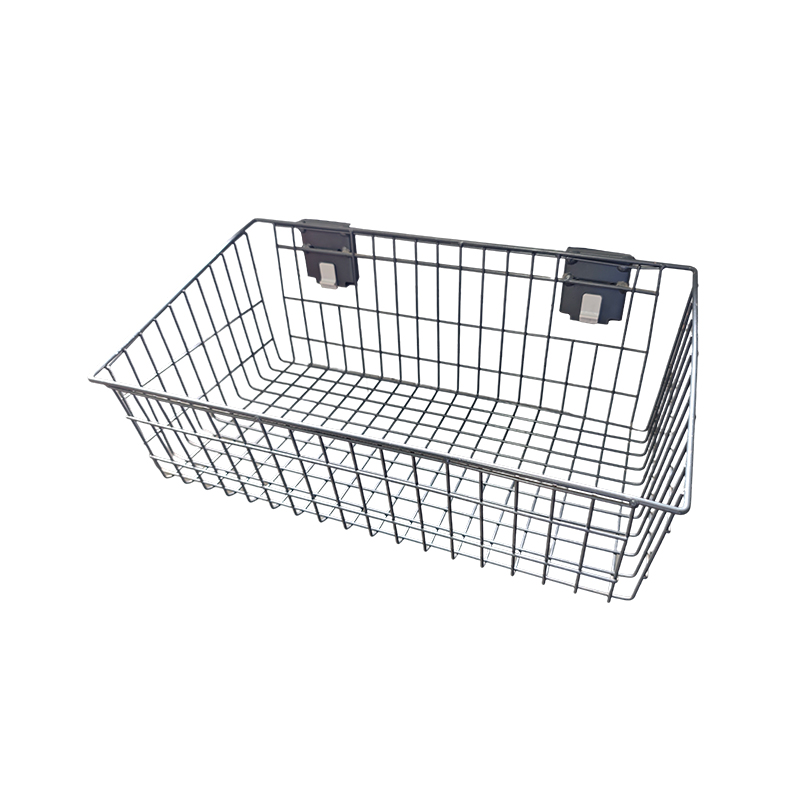
Adding wall-mounted metal shelves or track systems to handle lightweight gear.
Ceiling racks for seasonal or rarely accessed items.
Failing to Maintain and Review Over Time
A potential performance killer is neglect. Shelving systems change as loads shift, fasteners loosen, and environmental conditions fluctuate. Without periodic maintenance—tightening screws, cleaning surfaces, and adjusting shelf heights—tiny issues evolve into larger failures.

Bode specializes in high-quality, multifunctional metal shelving solutions. We manufacture durable metal shelves designed to optimize warehouse organization. We are committed to providing our customers with affordable, reliable products while supporting a cleaner and more sustainable environment.
Ready to work with us?

-
Tel
+86-13819988181
-
E-mail
sales@bodehardware.com
Product Links
Quick Links
Contact Us
Copyright © Jinhua Bode Hardware Technology Co., Ltd. All Rights Reserved.

China Garage Storage Racks