-
 +86-13819988181
-
 sales@bodehardware.com

 English
 English
 中文简体
中文简体 Español
How Can Garage Wall Storage Improve the Way a Workshop Is Organized?
2026-09-18
Jinhua Bode Hardware Technology Co., Ltd.
As garages become more than parking areas, storage design is increasingly connected with how people actually use the space. A home garage may function as a workshop, gardening area, hobby room, equipment store or seasonal storage zone at different times. This shift is creating greater interest in modular wall organization rather than simply adding more floor-standing cabinets. For manufacturers and overseas buyers, a Wall Shelf For Garage can become more useful when it is designed as part of a broader storage layout, helping users keep tools accessible while reserving floor space for vehicles, workbenches and daily activities.
Start With Storage Zones
One common storage problem is placing different types of items wherever empty space happens to be available. This can quickly create a garage where frequently used tools are mixed with seasonal equipment and rarely accessed boxes.
A better approach is to divide the wall into functional zones. Hand tools can stay close to the workbench, gardening equipment can occupy another section, and larger containers can be positioned where they do not interfere with daily movement.
This zoning approach makes the storage system easier to understand and gives manufacturers a clearer basis for developing different shelf sizes and accessory combinations.
Keep Frequently Used Tools Within Reach
Not every item needs the same level of accessibility. Tools used every day should be positioned where users can reach them without moving boxes or opening cabinets.
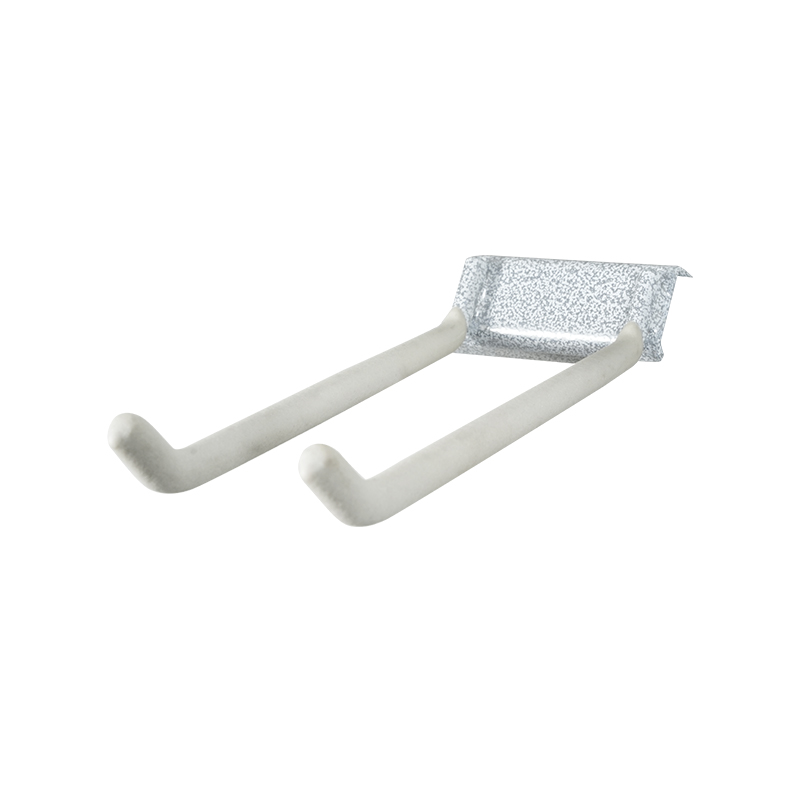
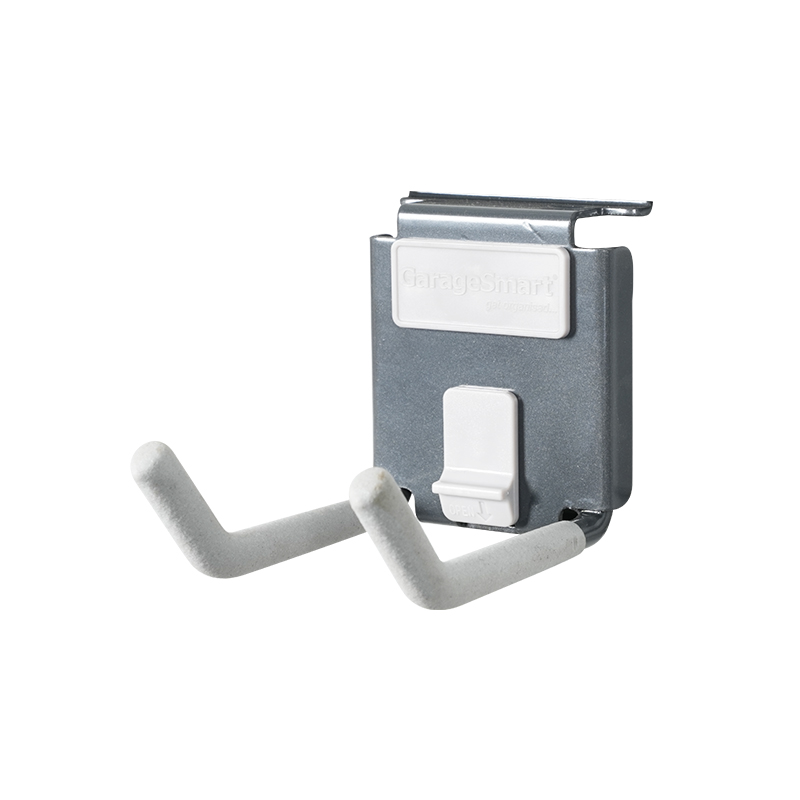
A wall shelf can provide an open storage layer for tool cases, containers and frequently handled supplies. Hooks, holders and small bins can then complement the shelf for items that are better stored vertically.
Current garage organization systems increasingly combine shelves with interchangeable accessories because users want to adjust storage as their tools and activities change.
Separate Heavy and Lightweight Storage
A practical garage layout should consider the weight and shape of stored items. Heavy containers, power tools and equipment may require a different shelf construction from lightweight household supplies.
Instead of treating every shelf as interchangeable, manufacturers can develop product ranges for different storage categories. Buyers can then select suitable configurations according to the intended load and installation environment.
This also helps distributors explain product differences more clearly to customers, particularly when several shelf models have similar dimensions but different structural designs.
Connect Shelving With the Workbench
A wall shelf becomes more valuable when it supports the user's workflow rather than simply holding objects.
For a garage workshop, frequently used supplies can be positioned around the main work area. Tools can be stored close to where repairs or assembly work takes place, while less frequently used equipment can be moved farther away.
This arrangement can reduce unnecessary movement between the workbench and storage area. For product developers, it also creates opportunities to design shelves that work alongside pegboards, rails, hooks and other wall-mounted accessories.
Make Room for Changing Needs
Garage storage requirements rarely remain fixed. A homeowner may add new tools, start a new hobby or change the way the garage is used. A workshop may also expand from basic repairs into more specialized projects.
This is why modular storage continues to attract attention. Adjustable rails, shelves, hooks and other accessories allow users to reorganize the wall without replacing the entire system. Recent garage storage discussions similarly emphasize systems that can be expanded and rearranged as requirements change.
For manufacturers, modular compatibility can turn a single shelf into part of a broader product ecosystem.
Use Vertical Space Without Blocking Movement
The main advantage of wall storage is not simply adding another place to put things. It is using vertical space while keeping the floor available.
A well-planned layout can move storage away from walking paths, vehicle doors and work areas. However, shelf depth and installation height still need to be considered carefully.
A shelf that projects too far into the garage may interfere with vehicle access, while one positioned too high may become inconvenient for everyday items. The ideal arrangement depends on the garage layout and the type of products being stored.
Design Around the Customer's Workflow
For overseas distributors, understanding how customers use their garages can be more valuable than simply adding another shelf size to a catalog.
Different users may need different combinations:
- Workshop users may prioritize tool accessibility.
- Gardeners may need space for containers and equipment.
- Hobby users may require flexible storage for changing materials.
- Families may need shelves for seasonal items and household supplies.
A manufacturer that understands these use cases can develop more targeted storage solutions instead of relying on one generic configuration.
Think Beyond a Single Shelf
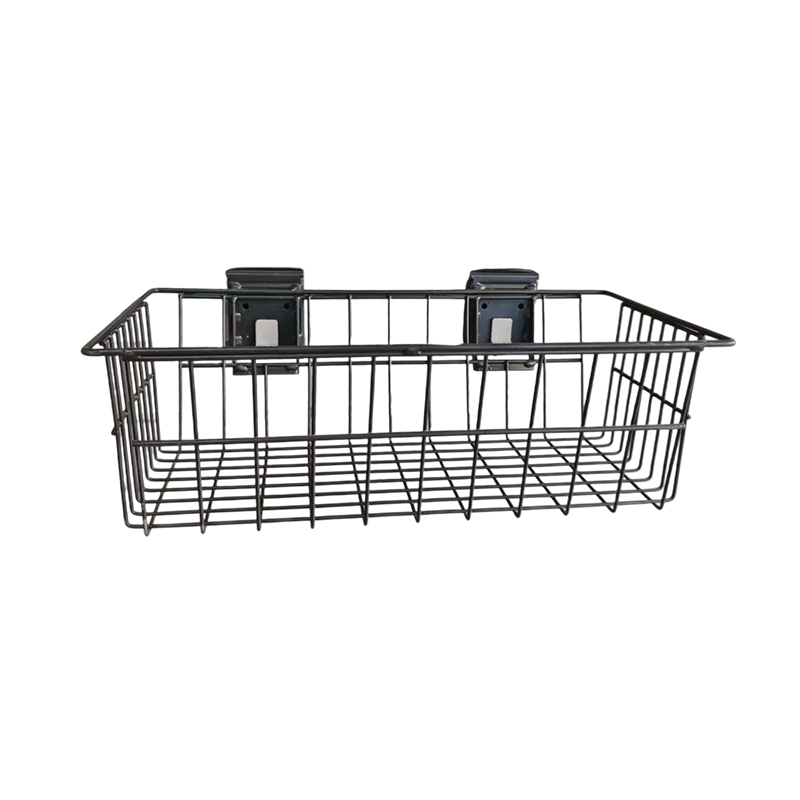
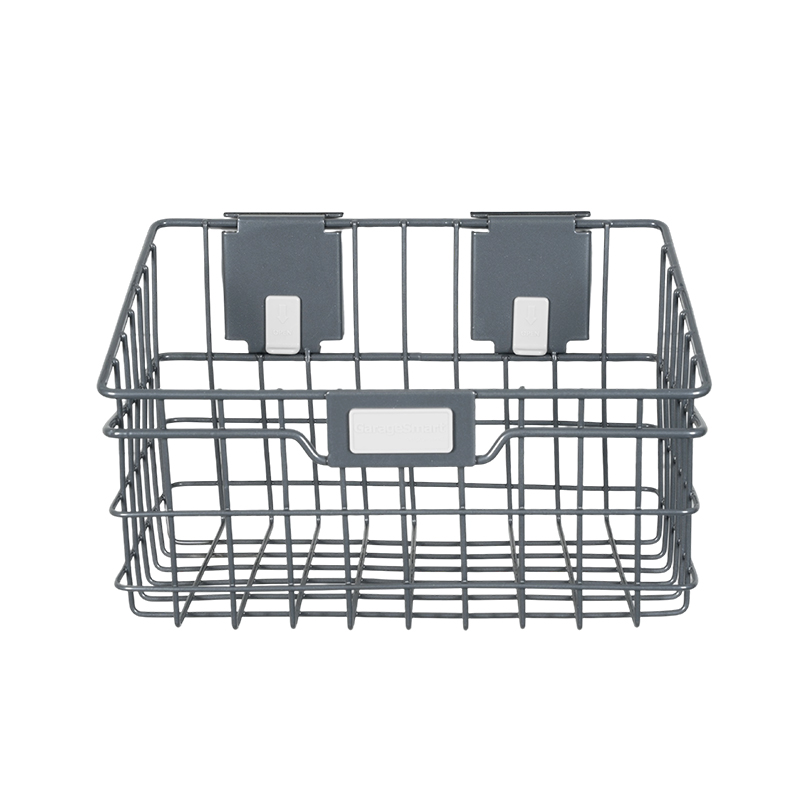
Modern garage organization is moving toward complete wall systems rather than isolated storage products. Shelves, rails, hooks, baskets and panels can work together to create dedicated storage zones while keeping frequently used items visible and accessible.
For overseas procurement teams, choosing a Wall Shelf For Garage should therefore involve more than comparing dimensions and appearance. By considering storage zones, item frequency, load requirements, workflow and future expansion, buyers can develop garage storage products that serve real working environments and adapt as customer needs change. A well-designed shelf is not simply another place to store equipment—it can become an important part of a more organized, flexible and usable garage.

Bode specializes in high-quality, multifunctional metal shelving solutions. We manufacture durable metal shelves designed to optimize warehouse organization. We are committed to providing our customers with affordable, reliable products while supporting a cleaner and more sustainable environment.
Ready to work with us?

-
Tel
+86-13819988181
-
E-mail
sales@bodehardware.com
Product Links
Quick Links
Contact Us
Copyright © Jinhua Bode Hardware Technology Co., Ltd. All Rights Reserved.

China Garage Storage Racks