-
 +86-13819988181
-
 sales@bodehardware.com

 English
 English
 中文简体
中文简体 Español
When Should Garage Storage Be Designed for Dusty Workshop Conditions?
2026-09-11
A garage workshop is rarely as clean as a living space. Sawdust, road dust, oil residue, soil and small hardware can quickly accumulate around tools and storage areas, especially when shelves are used every day. As garages increasingly serve as workshops, hobby areas and multifunctional storage spaces, buyers are looking for storage solutions that are not only space-efficient but also easier to maintain. For manufacturers and distributors, a Wall Shelf For Garage should therefore be evaluated from a broader perspective that includes accessibility, surface design, cleaning requirements and the type of items being stored.
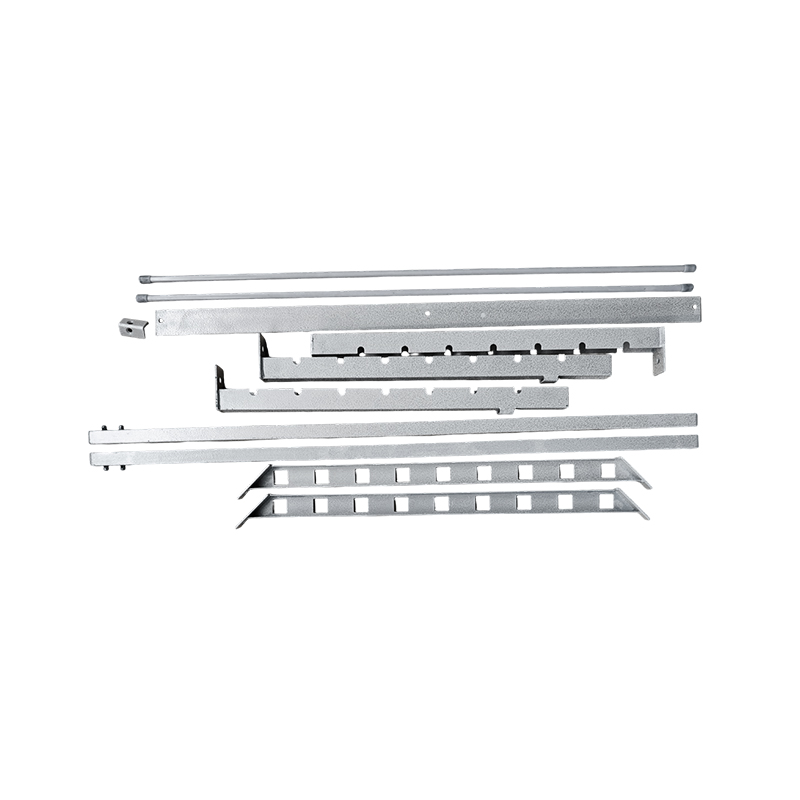
Open Shelves Improve Visibility
Open shelving allows users to see stored items without opening doors or moving containers. This can be useful for frequently used tools, boxes and workshop supplies where quick access matters.
However, open storage also exposes items to dust and airborne debris. The choice between open and enclosed storage should therefore depend on the working environment.
For a garage used mainly for light household storage, open shelves may offer a convenient balance between accessibility and organization. In a workshop where cutting, sanding or vehicle maintenance takes place, buyers may need a more carefully planned combination of shelves, cabinets and storage bins.
Surface Design Can Affect Cleaning
A shelf used in a working garage will eventually need to be cleaned. Simple surfaces with accessible edges are generally easier to wipe than designs with unnecessary recesses or complicated decorative structures.
Manufacturers should consider how dust and small particles may collect around brackets, corners and joints during product development.
For distributors, this can become a practical selling point when positioning garage storage for workshops. Customers are not only purchasing storage capacity; they are also looking for products that remain manageable after months of regular use.
Choose Storage According to the Material
Different stored items create different cleaning requirements. Hand tools may only require occasional wiping, while gardening supplies can introduce soil and moisture. Automotive products may also leave oily residue on containers or shelf surfaces.
Instead of placing everything on the same shelf, users can divide storage according to the type of material being handled.
A practical arrangement might include:
- Clean household storage on one section
- Workshop tools near the workbench
- Gardening equipment in a separate area
- Automotive supplies in dedicated containers
- Small hardware inside closed bins
This approach can reduce cross-contamination between storage categories and make routine cleaning more manageable.
Keep Small Parts Contained
Open shelves are useful for larger objects, but small screws, fittings and accessories can easily become difficult to organize. Loose hardware may also collect dust or fall behind larger items.
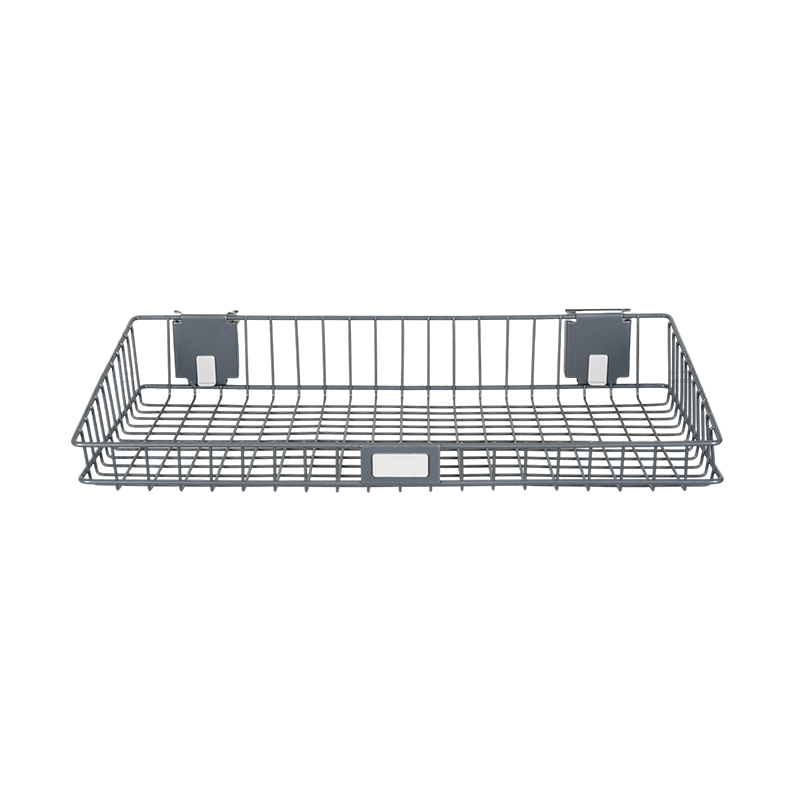
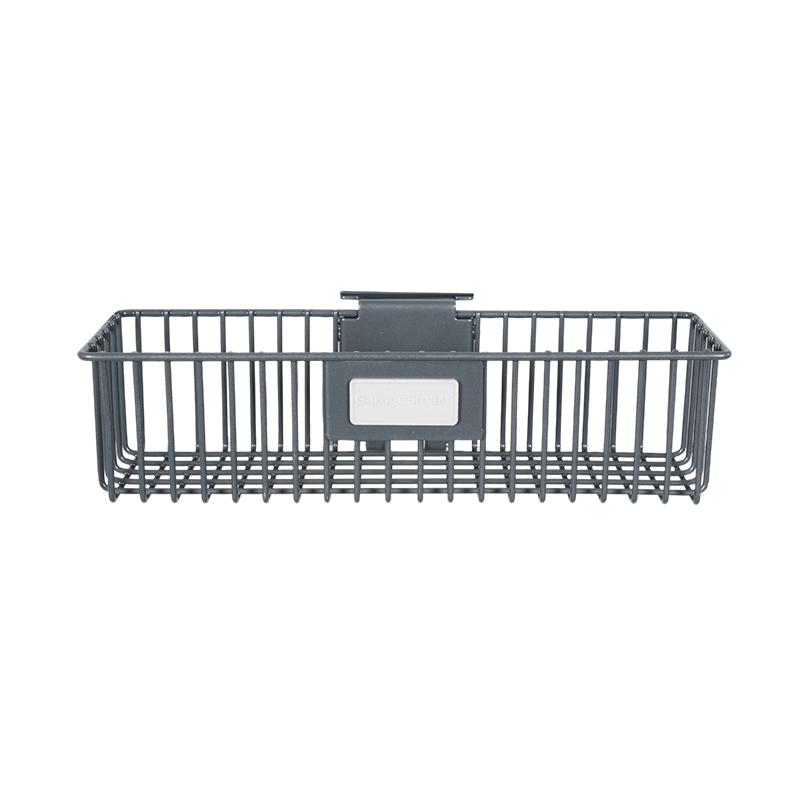
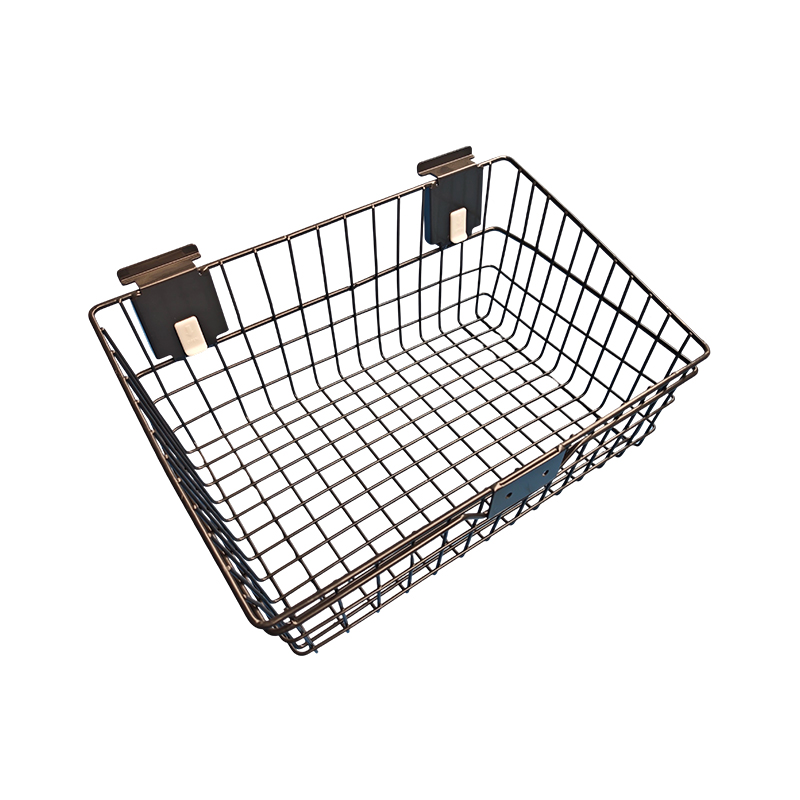
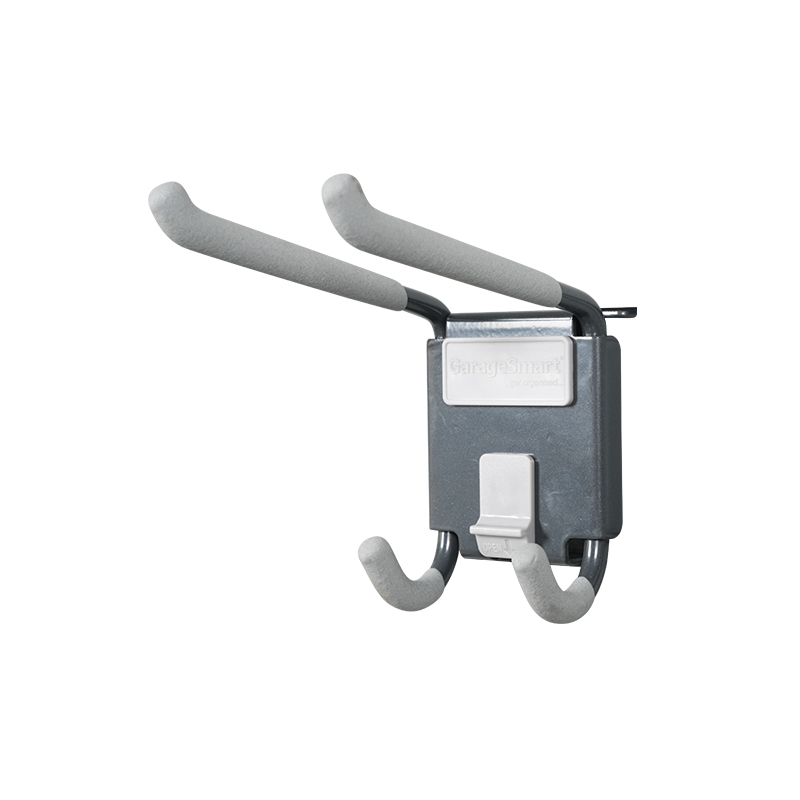
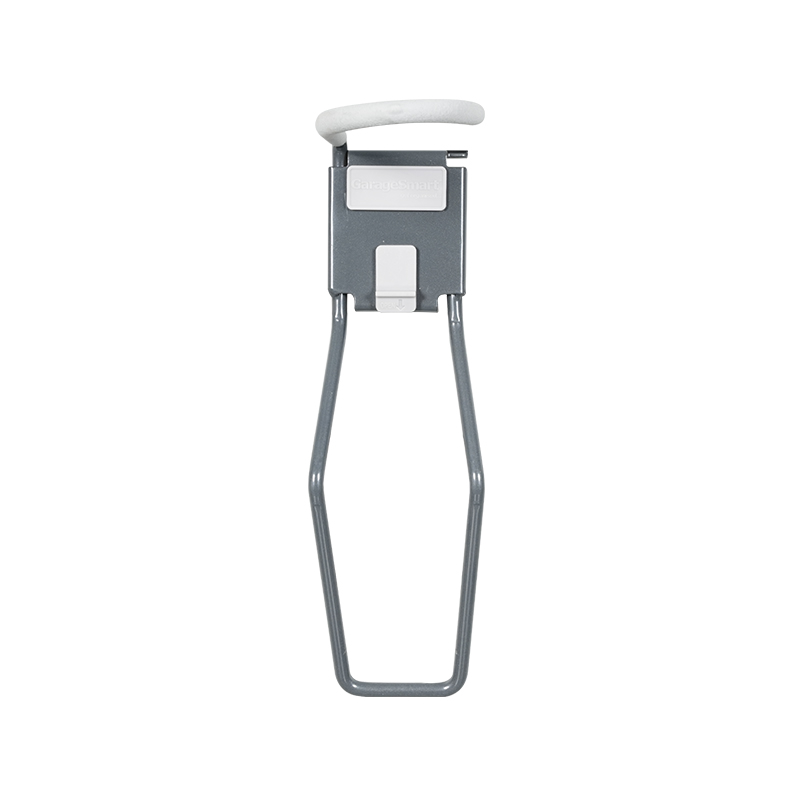
Using stackable bins or containers on the shelf can solve this problem while keeping frequently used parts visible. Modular garage storage systems increasingly combine shelves with interchangeable baskets, hooks and organizers so users can adapt the setup to different storage categories.
For manufacturers, designing shelves with compatible storage accessories can create a more complete solution for workshop users.
Think About Airflow and Accessibility
A crowded shelf can become difficult to clean when containers are packed tightly together. Leaving practical access around stored items allows users to remove containers, wipe surfaces and inspect the wall area behind the shelf.
This is especially relevant in garages where humidity, dust or temperature changes may affect stored equipment.
The goal should not simply be to maximize the number of objects placed on one shelf. A better storage layout balances capacity with access so that the system remains usable after installation.
Combine Open and Closed Storage
There is no need to choose between completely open and completely enclosed storage. A mixed approach can often work better.
Frequently used tools can remain on open shelves or hooks, while seasonal products, sensitive materials and items that are rarely accessed can be placed inside boxes or cabinets.
Modern garage storage systems increasingly combine wall shelves, cabinets, hooks and other accessories because different items require different forms of protection and access.
For product developers, this creates opportunities to position wall shelves as part of a coordinated storage range rather than as an isolated product.
Maintenance Should Influence Product Selection
When buyers compare garage shelves, maintenance is often overlooked because attention naturally goes to size, appearance and load requirements. Yet a shelf that is difficult to clean may become less practical in a busy workshop.
Procurement teams can evaluate several details before selecting a product:
- Surface accessibility
- Ease of wiping
- Bracket and joint design
- Compatibility with storage bins
- Resistance to the intended environment
- Accessibility of frequently used items
These factors can help distributors choose products that better match real customer expectations.
Design for the Way Garages Are Actually Used
Modern garages are becoming multifunctional spaces rather than simple vehicle storage areas. Flexible storage systems can support workshops, tools, seasonal equipment and changing household needs.
For overseas buyers, selecting a Wall Shelf For Garage should therefore involve more than comparing dimensions and load specifications. A practical solution should also consider dust exposure, cleaning access, storage categories and compatibility with other organizers. By developing shelves around real workshop conditions, manufacturers can provide storage products that remain easier to use, maintain and reorganize as the garage evolves.

Bode specializes in high-quality, multifunctional metal shelving solutions. We manufacture durable metal shelves designed to optimize warehouse organization. We are committed to providing our customers with affordable, reliable products while supporting a cleaner and more sustainable environment.
Ready to work with us?

-
Tel
+86-13819988181
-
E-mail
sales@bodehardware.com
Product Links
Quick Links
Contact Us
Copyright © Jinhua Bode Hardware Technology Co., Ltd. All Rights Reserved.

China Garage Storage Racks