-
 +86-13819988181
-
 sales@bodehardware.com

 English
 English
 中文简体
中文简体 Español
How Should Buyers Match a Garage Wall Shelf to the Wall Structure?
2026-09-04
Jinhua Bode Hardware Technology Co., Ltd.
As garages increasingly serve as workshops, storage areas, hobby spaces and utility zones, wall-mounted storage is becoming an important way to keep valuable floor space available. Recent garage organization trends show stronger interest in modular wall systems that can be rearranged as storage needs change. However, choosing a shelf should not begin with appearance alone. Wall construction, expected load, mounting method and daily usage all influence whether a Wall Shelf For Garage is suitable for a particular installation.
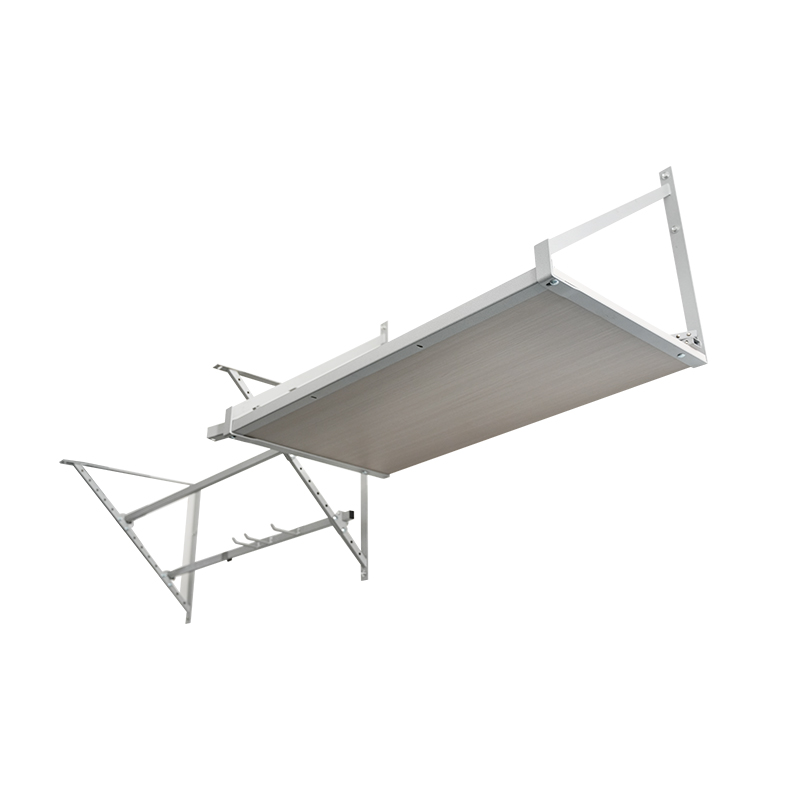
Identify the Wall Before Choosing the Shelf
The question for buyers is simple: what type of wall will support the storage system?
A garage may have drywall over wood studs, exposed timber framing, concrete, masonry or another structural surface. Each condition can require a different fixing method and installation approach.
For manufacturers and distributors, this makes mounting compatibility an important part of product development. A shelf designed for one wall structure should not automatically be presented as suitable for every installation environment.
Providing clear mounting guidance can also help retailers reduce customer confusion during installation.
Load Requirements Should Come First
A shelf used for lightweight household containers has different requirements from one intended for power tools, automotive supplies or workshop equipment.
Buyers should consider the expected load as well as how that load will be distributed across the shelf. Heavy objects concentrated near the front edge can create different mechanical demands from evenly distributed storage.
A practical specification should therefore communicate the intended application and installation conditions rather than relying on a vague description such as “heavy duty.”
For commercial buyers, accurate load information also makes it easier to match products with different customer segments.
Stud Position Can Affect Installation
For framed walls, the location of structural studs can influence where a wall-mounted shelf can be installed. A product may have suitable dimensions but still require careful positioning to achieve secure attachment.
This is particularly relevant when the garage layout is already fixed around a vehicle, workbench or storage cabinet.
Manufacturers can support installers by providing mounting-hole information, recommended fasteners and installation instructions appropriate to the product design. Such details make the shelf easier to integrate into real garage layouts.
Concrete Walls Require a Different Approach
Concrete and masonry garages create another installation scenario. The fixing method needs to be compatible with the wall material and the expected load.
This means buyers should evaluate the complete installation system rather than treating the shelf bracket as an independent component. Fasteners, anchors, mounting points and bracket geometry all contribute to the final result.
For distributors selling internationally, installation instructions should clearly identify the wall types supported by the product and explain when additional hardware may be required.
Shelf Depth Should Match the Stored Items
A deeper shelf can hold larger containers, but depth also affects how far the storage extends into the usable garage area. In a compact garage, excessive projection can interfere with vehicle movement or walking paths.
A better approach is to define the items that will normally be stored before selecting shelf dimensions.
Common categories may include:
- Hand tools and tool cases
- Automotive maintenance supplies
- Storage bins
- Gardening equipment
- Cleaning products
- Workshop materials
Matching shelf depth to actual storage needs can reduce wasted space while keeping frequently used items accessible.
Consider a Modular Storage Strategy
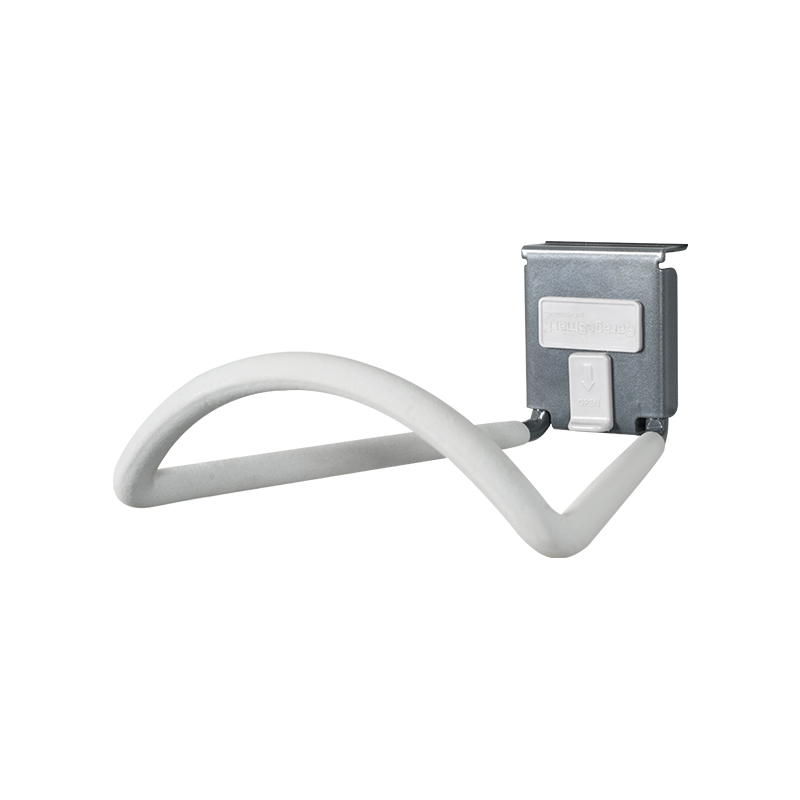
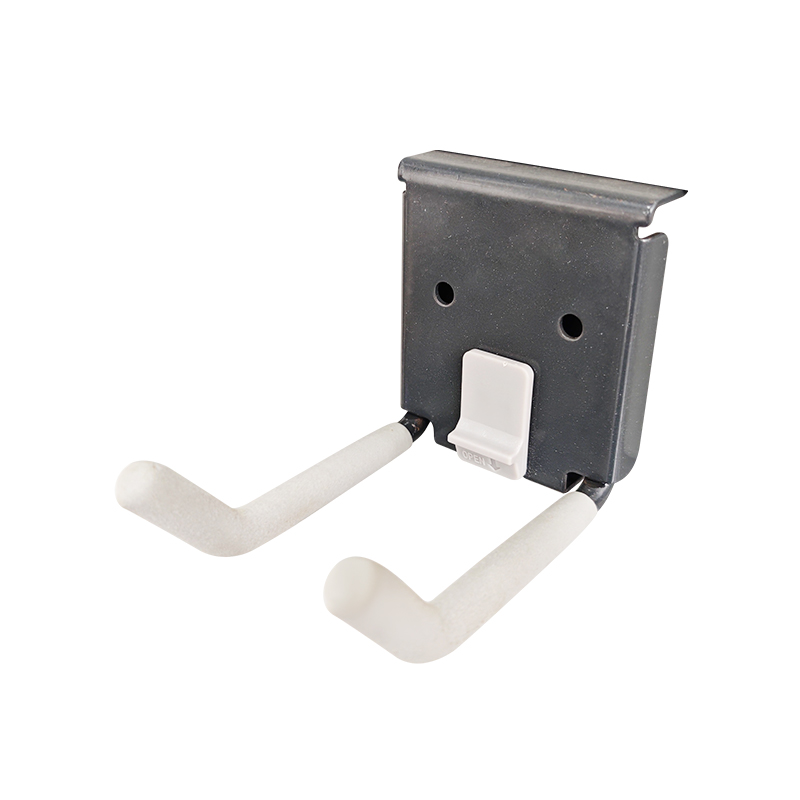
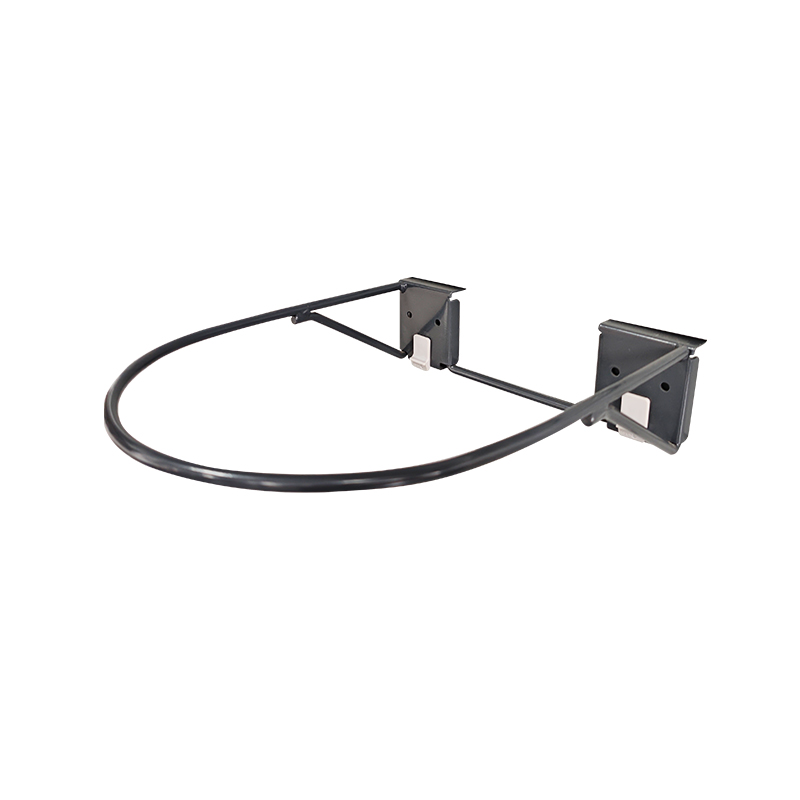
Current garage organization trends are moving toward systems that can be adjusted as household and workshop requirements change. Modular shelves, rails, hooks and wall accessories allow users to reorganize storage without redesigning the entire garage.
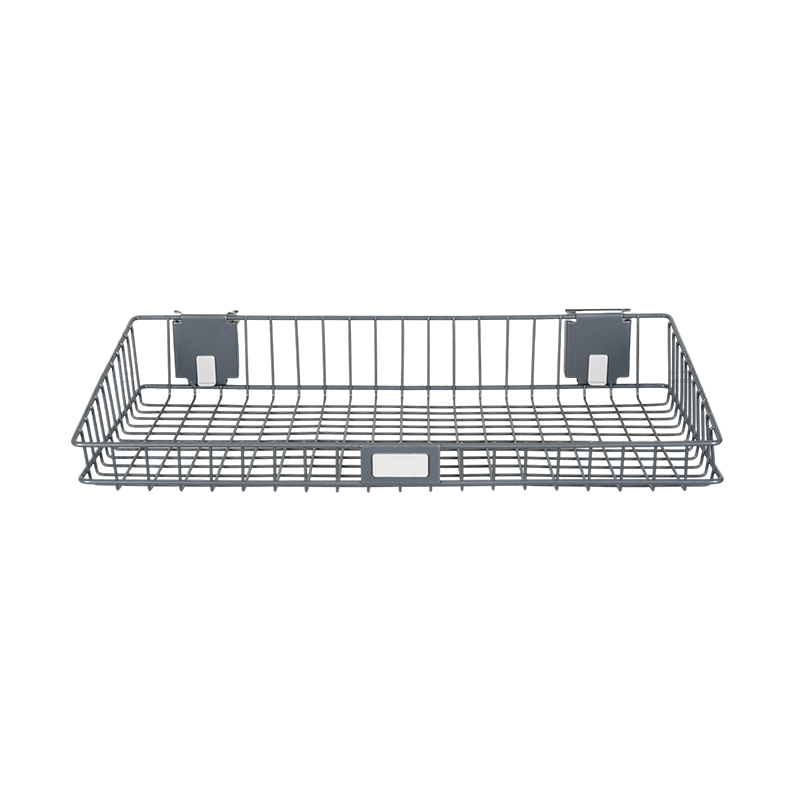
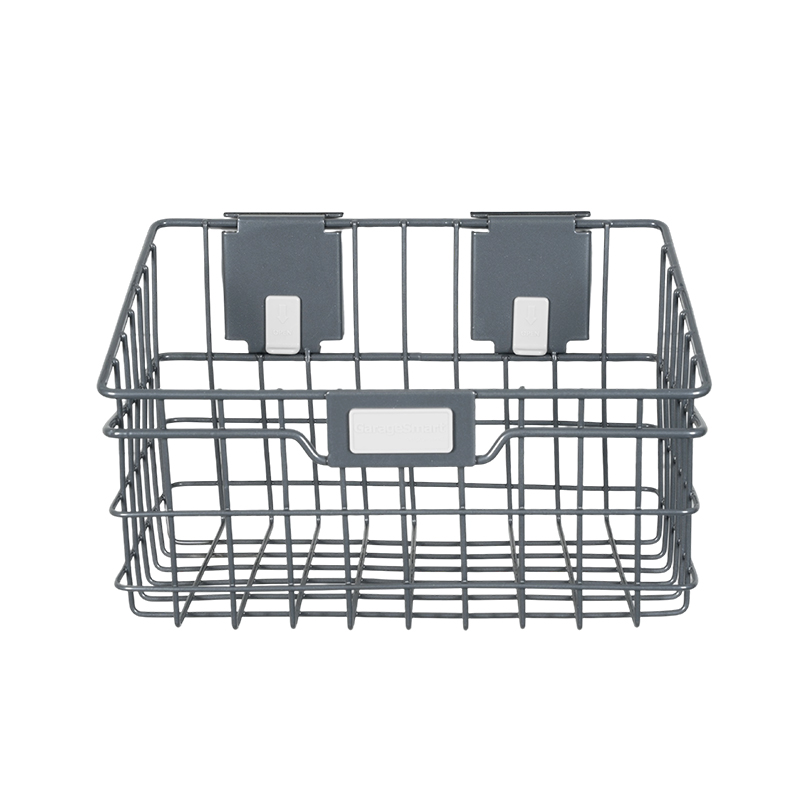
For manufacturers, modularity can also create opportunities for product families rather than single-purpose shelves. Buyers may combine shelves with hooks, baskets, tool holders or other accessories according to the intended application.
This approach gives distributors more flexibility when developing garage storage collections for different markets.
Keep Frequently Used Items Within Reach
Not every item needs to occupy the accessible position. Workshop organization becomes more practical when storage height reflects frequency of use.
Frequently handled tools and supplies can be placed at convenient working height, while seasonal or less frequently used products can occupy higher shelves. This approach supports a clearer workflow and prevents everyday items from being buried behind rarely used equipment.
For product developers, this also means shelf dimensions and accessory compatibility should support different storage zones rather than one fixed arrangement.
Evaluate the Complete Installation System
For overseas procurement teams, selecting a Wall Shelf For Garage involves more than comparing shelf size and material. The wall structure, mounting hardware, load distribution, shelf depth and intended storage items should all be considered before production or bulk purchasing.
An experienced garage-storage manufacturer can help distributors evaluate these requirements and develop suitable shelf configurations for workshops, residential garages and light commercial spaces. By matching the storage system to the actual wall and usage conditions, buyers can create products that make better use of vertical space while remaining practical for everyday garage organization.

Bode specializes in high-quality, multifunctional metal shelving solutions. We manufacture durable metal shelves designed to optimize warehouse organization. We are committed to providing our customers with affordable, reliable products while supporting a cleaner and more sustainable environment.
Ready to work with us?

-
Tel
+86-13819988181
-
E-mail
sales@bodehardware.com
Product Links
Quick Links
Contact Us
Copyright © Jinhua Bode Hardware Technology Co., Ltd. All Rights Reserved.

China Garage Storage Racks