-
 +86-13819988181
-
 sales@bodehardware.com

 English
 English
 中文简体
中文简体 Español
Struggling With Stud Spacing for Wall Shelves
2026-02-26
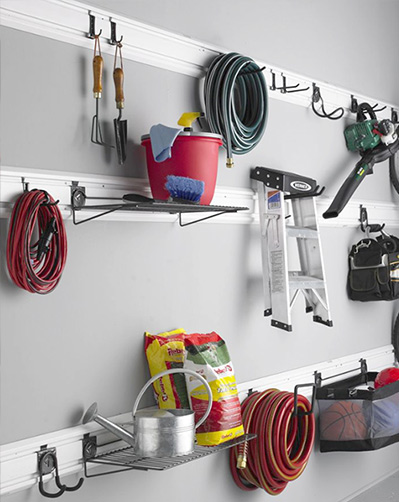
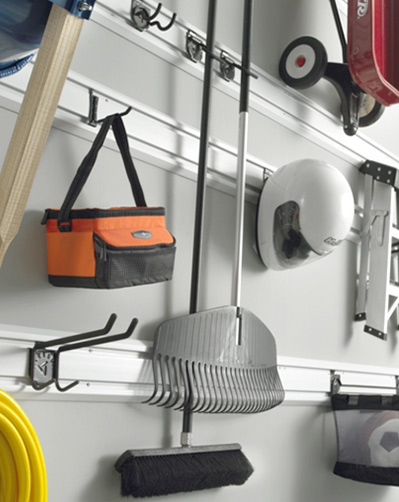
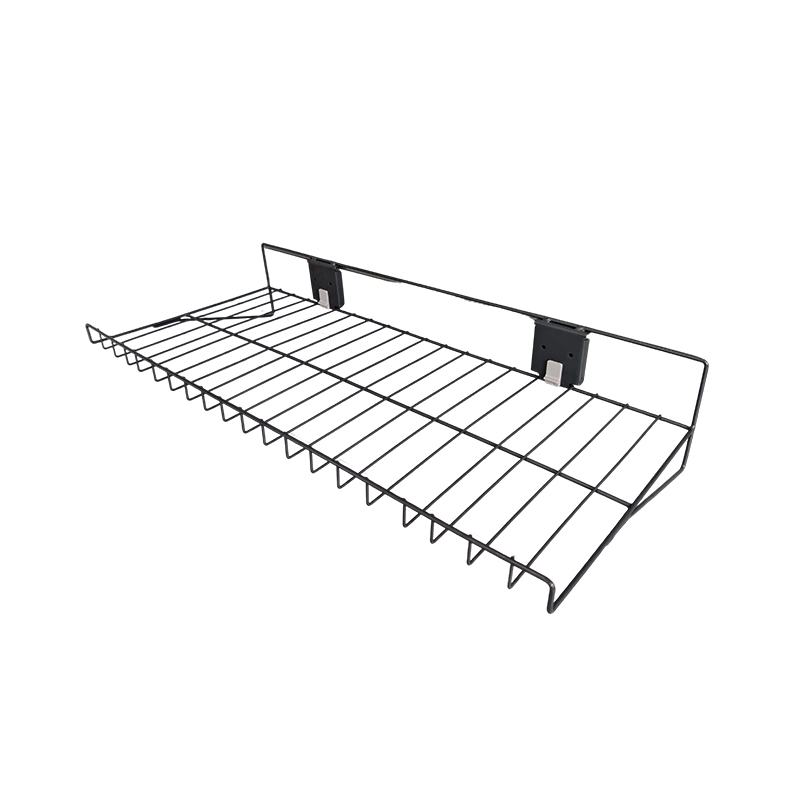
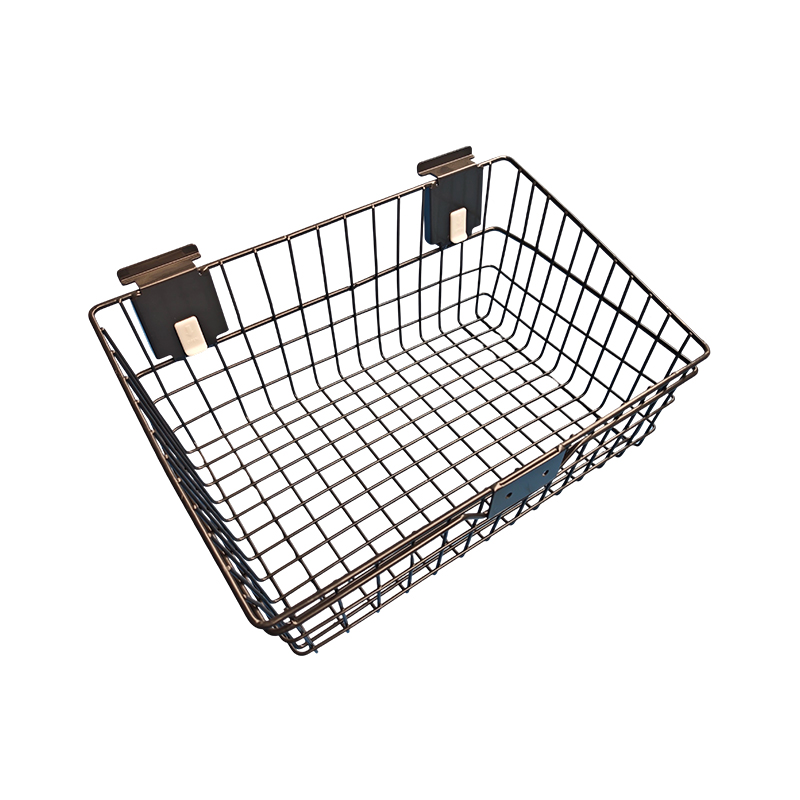
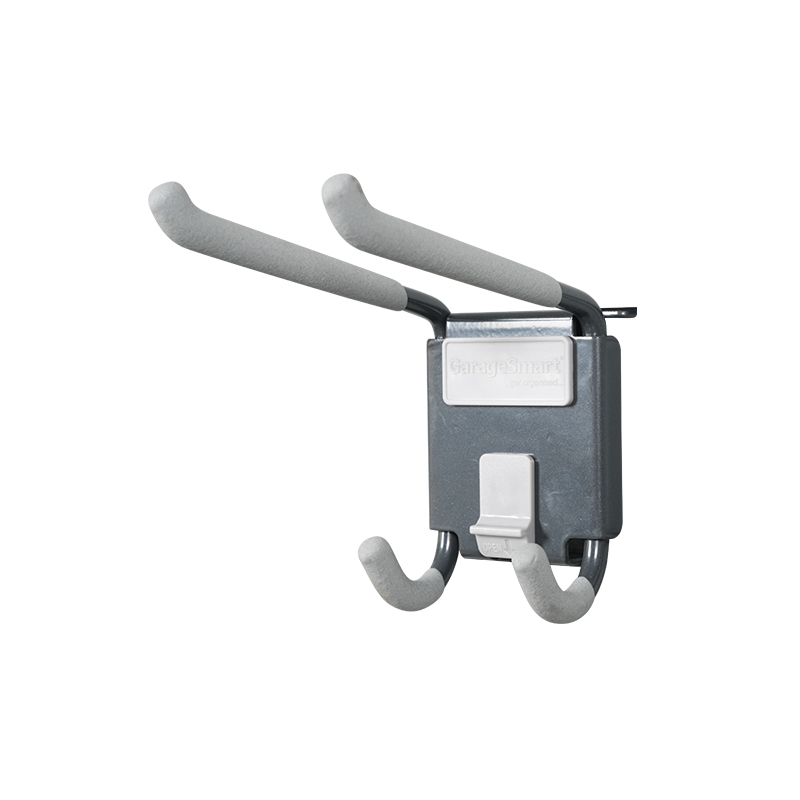
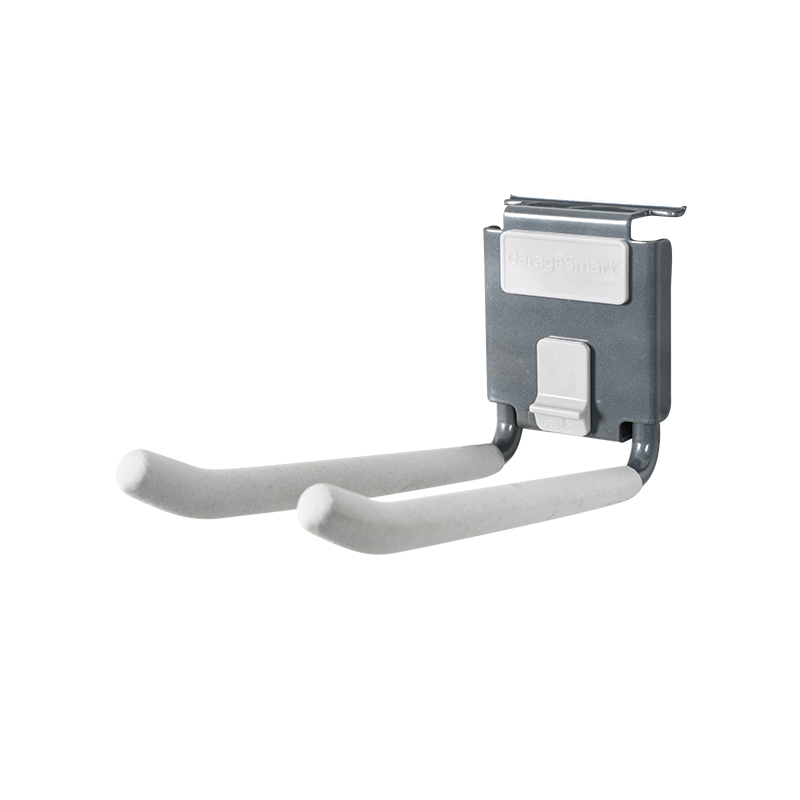
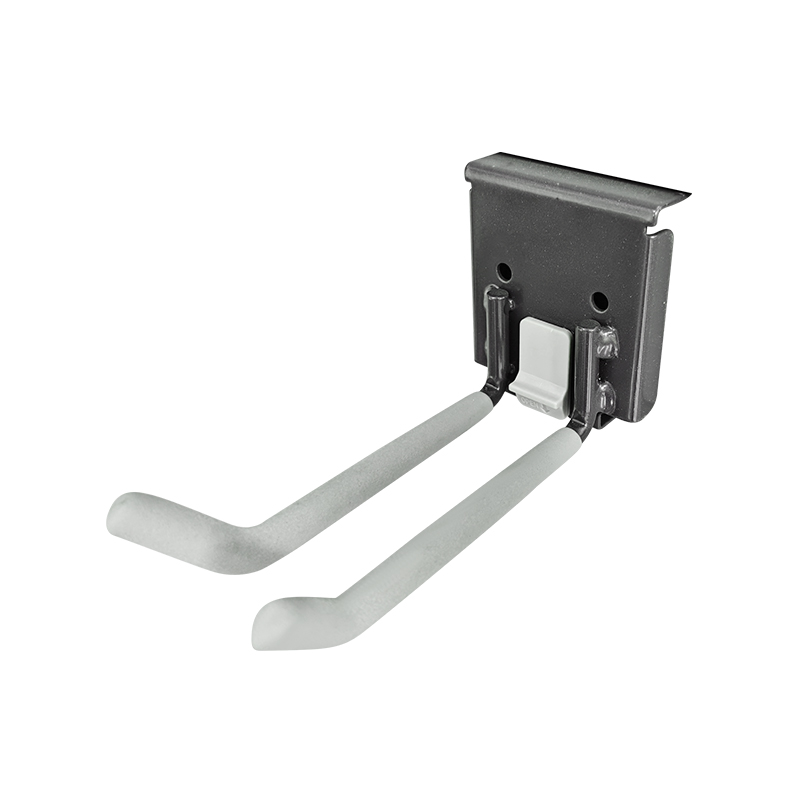
Installing storage systems like Wall Hanging Garage Shelves and Wall Mounted Garage Hooks can make a huge difference in garage organization, but one issue many homeowners encounter is irregular stud spacing behind the wall. The studs embedded in your wall are the structural backbone that supports heavy shelves and hooks — without reliable attachment points, your shelving solutions may feel unstable or fail prematurely.
Why Stud Spacing Matters
In typical home construction in the United States, wood studs are usually placed 16 inches on center (from the center of one stud to the center of the next). However, builders may sometimes space them differently due to framing constraints, windows, doors, or other structural elements. In some garages, you might even find studs closer together or farther apart than expected, such as 14 inches or 24 inches on center, due to framing adjustments during construction.
Stud spacing becomes especially important when you’re planning to attach heavy-duty Wall Hanging Garage Shelves or hooks that will carry tools and equipment. When your mounting bracket doesn’t align with studs, simply anchoring into drywall is often not enough to carry significant weight, and this mismatch is a common root of installation frustration among DIYers.
Common Stud Spacing Problems
Here are some typical challenges people face:
Irregular Stud Layouts: Studs don’t always appear where you expect them. Some users have reported stud spacings like 24″ or 20″ in spots where they needed them more, which prevents standard shelf brackets from aligning directly into studs.
Non-Standard Construction: In garages especially, the presence of windows, doors, or utilities can cause studs to be spaced irregularly or shifted inward or outward from typical patterns.
Metal vs. Wood Studs: Certain walls may use metal studs, which can complicate shelf attachment because standard wood screws will not grip metal studs the same way; this may require specialized anchors or backing boards.
Creative Solutions for Uneven Studs
If you find that your studs are inconsistent or don’t align with your shelving design, don’t worry — there are practical ways to ensure a stable install.
1. Install a Backer Board
One common solution many homeowners use is attaching a horizontal backer board such as a strip of plywood or a 2× board across multiple studs before installing Wall Hanging Garage Shelves onto it. This gives you a continuous surface that spans stud irregularities and lets you anchor your shelves where you need them more.
2. Use Ledger Boards
A ledger board screwed directly into all available studs at the height you intend to place your shelf provides a strong base. You can then rest your shelf brackets on this ledger while fastening them securely into the board. Doing this spreads the weight across more structural points, even if stud spacing is irregular.
3. Add Custom Blocking
For more bespoke storage systems, you can cut and install blocking between studs at desired heights. These wood pieces create new attachment points at locations that match your shelf brackets and straps. Blacking out might require opening a small section of drywall, but it provides a very secure mount.
4. Adjust Bracket Design
In some cases, choosing bracket systems that allow flexibility in attachment points helps accommodate non-standard stud spacing. Some brackets are designed to be narrow or adjustable so they can be anchored to studs that are closer or farther apart.
Tips for Finding Studs Accurately
Accurate stud location is crucial before planning any of the solutions above:
Use a Stud Finder: A reliable electronic stud finder helps detect stud centers even behind drywall. Verify readings by drilling small pilot holes to confirm before committing to larger screws.
Look for Clues: Nail and screw patterns in drywall (often visible as slight bumps or lines) can give clues to stud locations.
Magnet Testing: A small magnet can help identify screws or nails in studs, confirming where solid backing exists.
Practical Planning for Your Space
Real user adaptations demonstrate that uneven stud spacing doesn’t have to dictate your entire garage layout. In one example, a garage owner found studs spaced unpredictably and chose to install plywood strips as a mounting base, creating a versatile surface that both supported heavy shelves and allowed multiple hooks or accessories.
It’s also helpful to plan the vertical placement of your shelves relative to where studs are located, balancing ergonomics (for easy reach of items) with structural soundness. Consistent planning based on stud location means that both Wall Hanging Garage Shelves and Wall Mounted Garage Hooks function reliably under load.
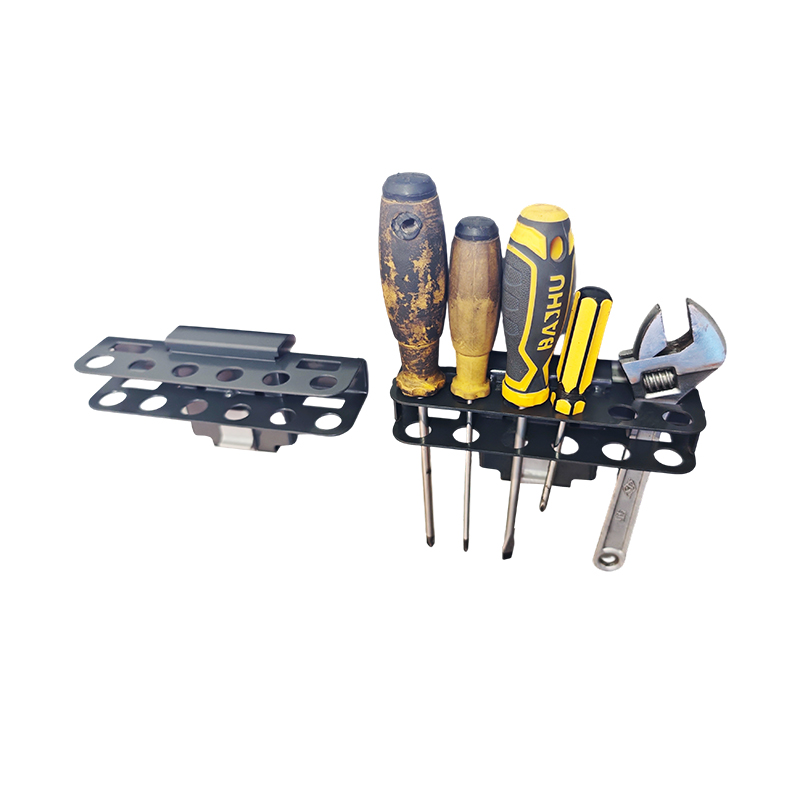
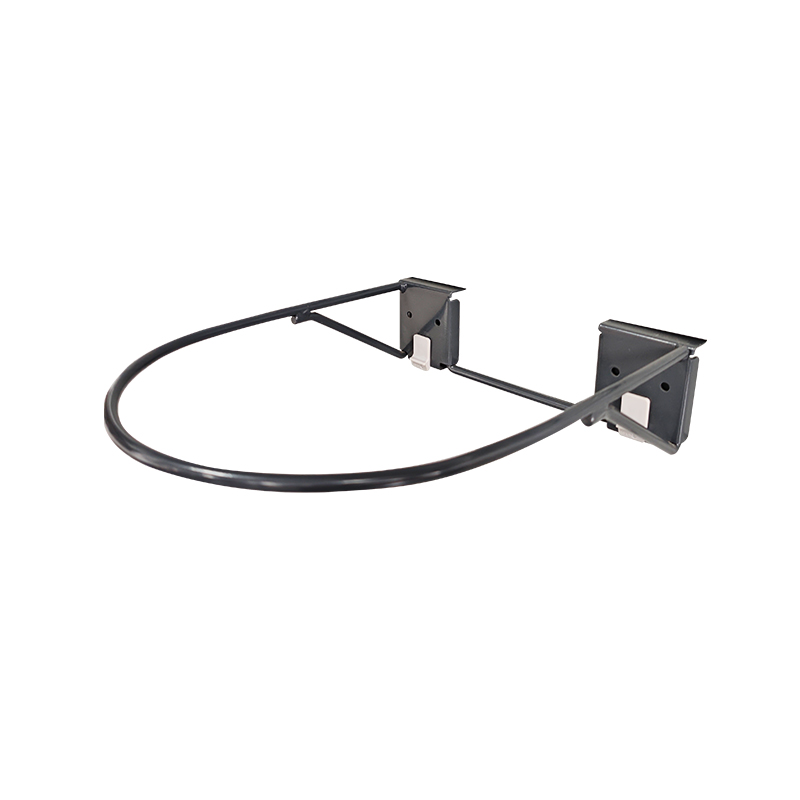
At Jinhua Bode Hardware Technology Co., Ltd., we design storage solutions with installation flexibility in mind, helping DIYers tackle stud challenges with confidence. Proper prep and smart hardware selection make all the difference when setting up wall-mounted shelves and hooks that last for years.

Bode specializes in high-quality, multifunctional metal shelving solutions. We manufacture durable metal shelves designed to optimize warehouse organization. We are committed to providing our customers with affordable, reliable products while supporting a cleaner and more sustainable environment.
Ready to work with us?

-
Tel
+86-13819988181
-
E-mail
sales@bodehardware.com
Product Links
Quick Links
Contact Us
Copyright © Jinhua Bode Hardware Technology Co., Ltd. All Rights Reserved.

China Garage Storage Racks